Best Metal for an Engagement Ring for Daily Wear: Platinum vs Gold
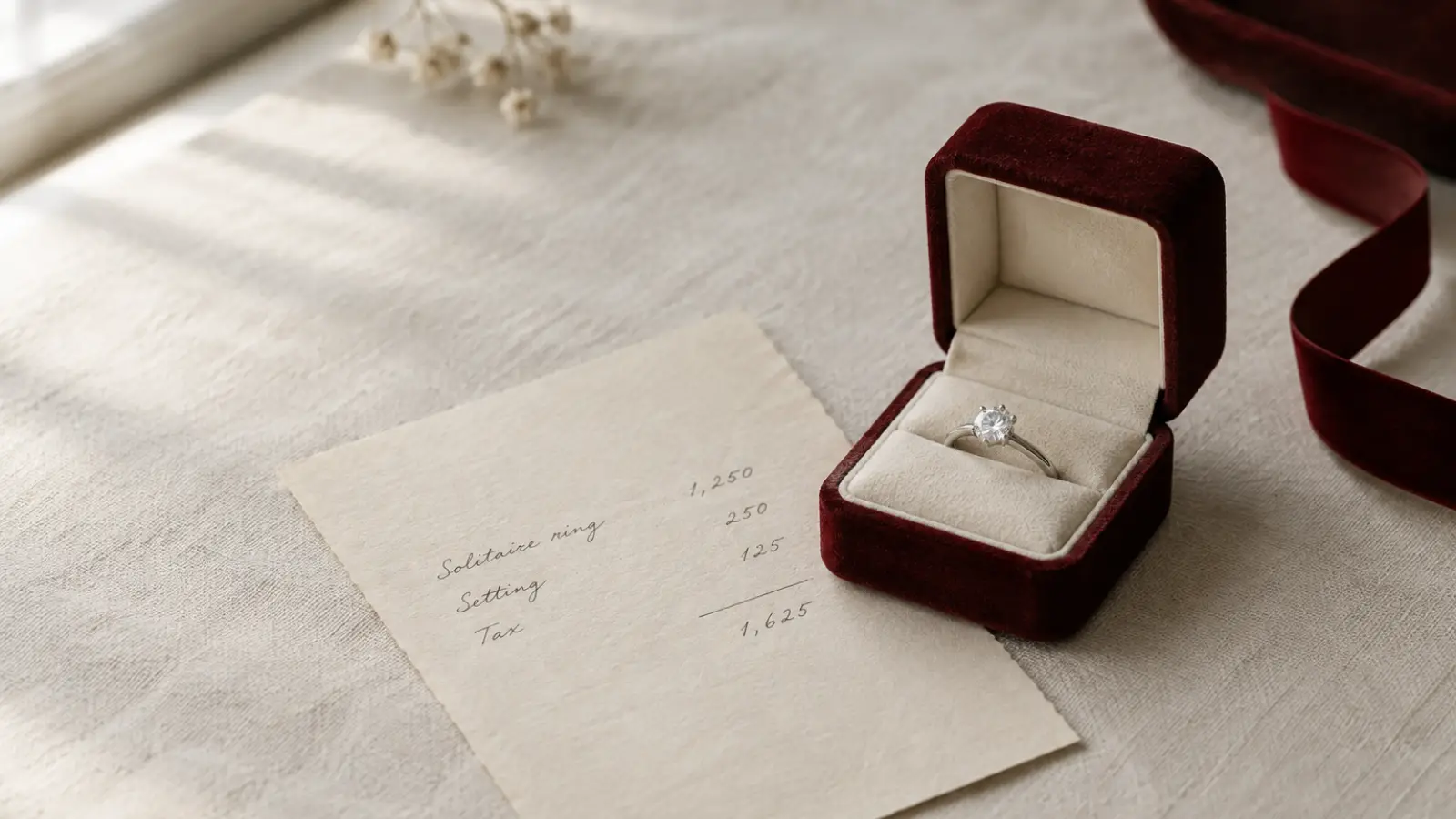
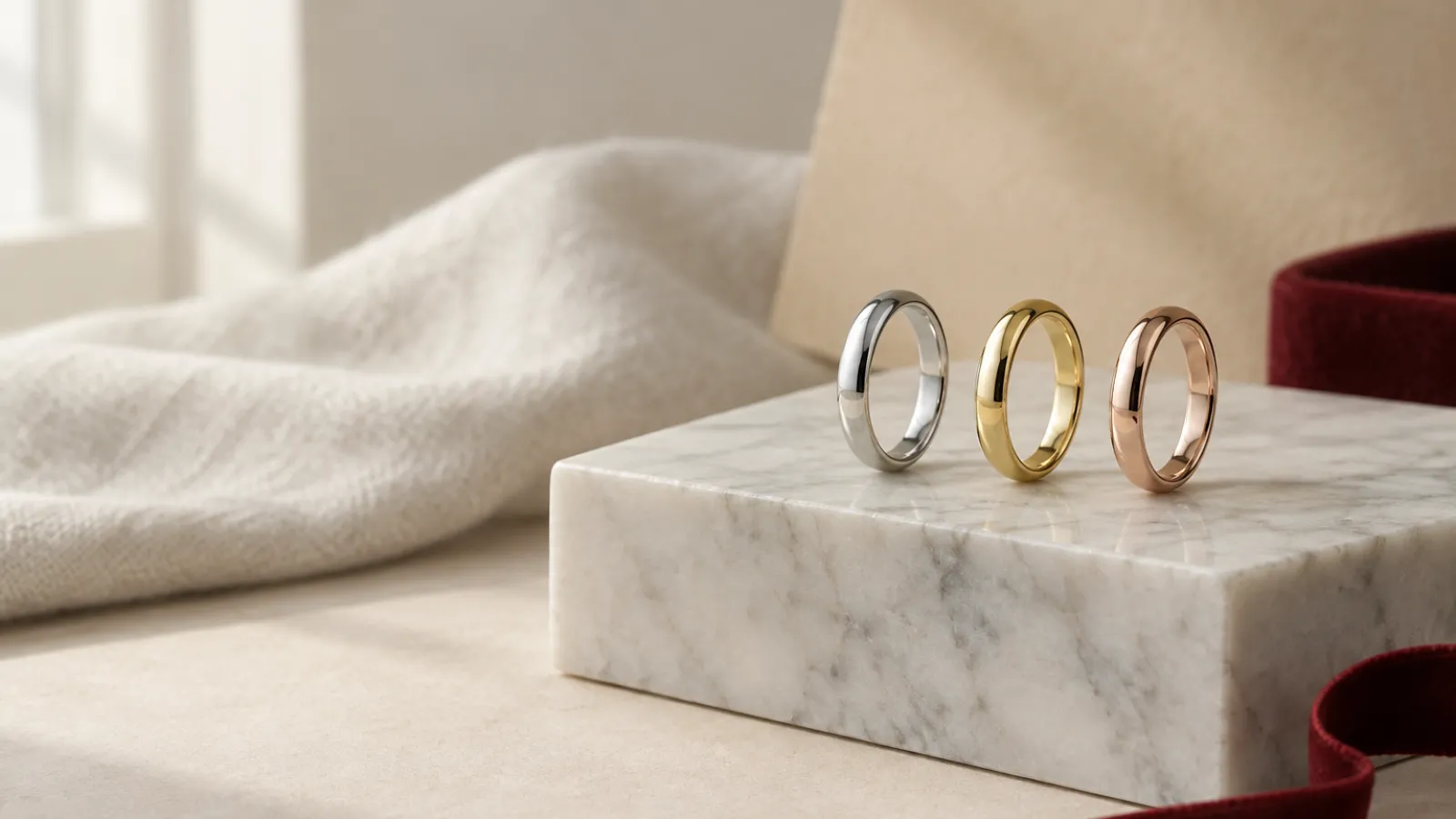
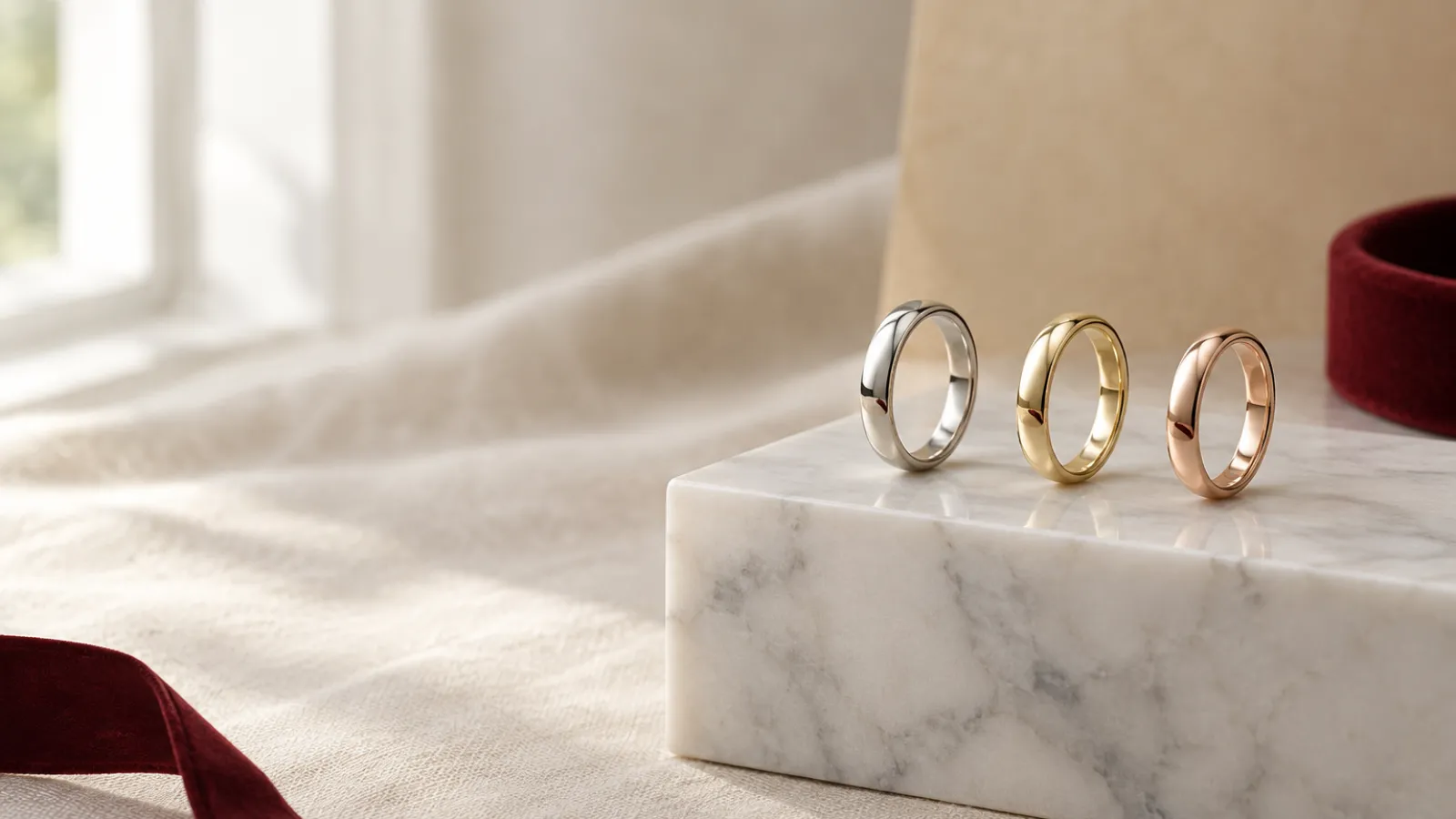
The best metal for an engagement ring for daily wear depends on allergies, maintenance, weight, durability, resizing needs, appearance and setting cost.
Plain definitions of every term you meet when buying a diamond or a piece of jewelry, what each one means for the price, how to check it, and where to buy it.
20 entries · listed by verification date
The best metal for an engagement ring for daily wear depends on allergies, maintenance, weight, durability, resizing needs, appearance and setting cost.
Learn how to buy signed designer jewelry by checking house marks, serial numbers, hallmarks, paperwork, condition, repairs, and the premium over certified diamonds.
Diamond carat weight vs size explains why diamonds with the same weight can look different, using millimetre dimensions, shape, spread and finger coverage.
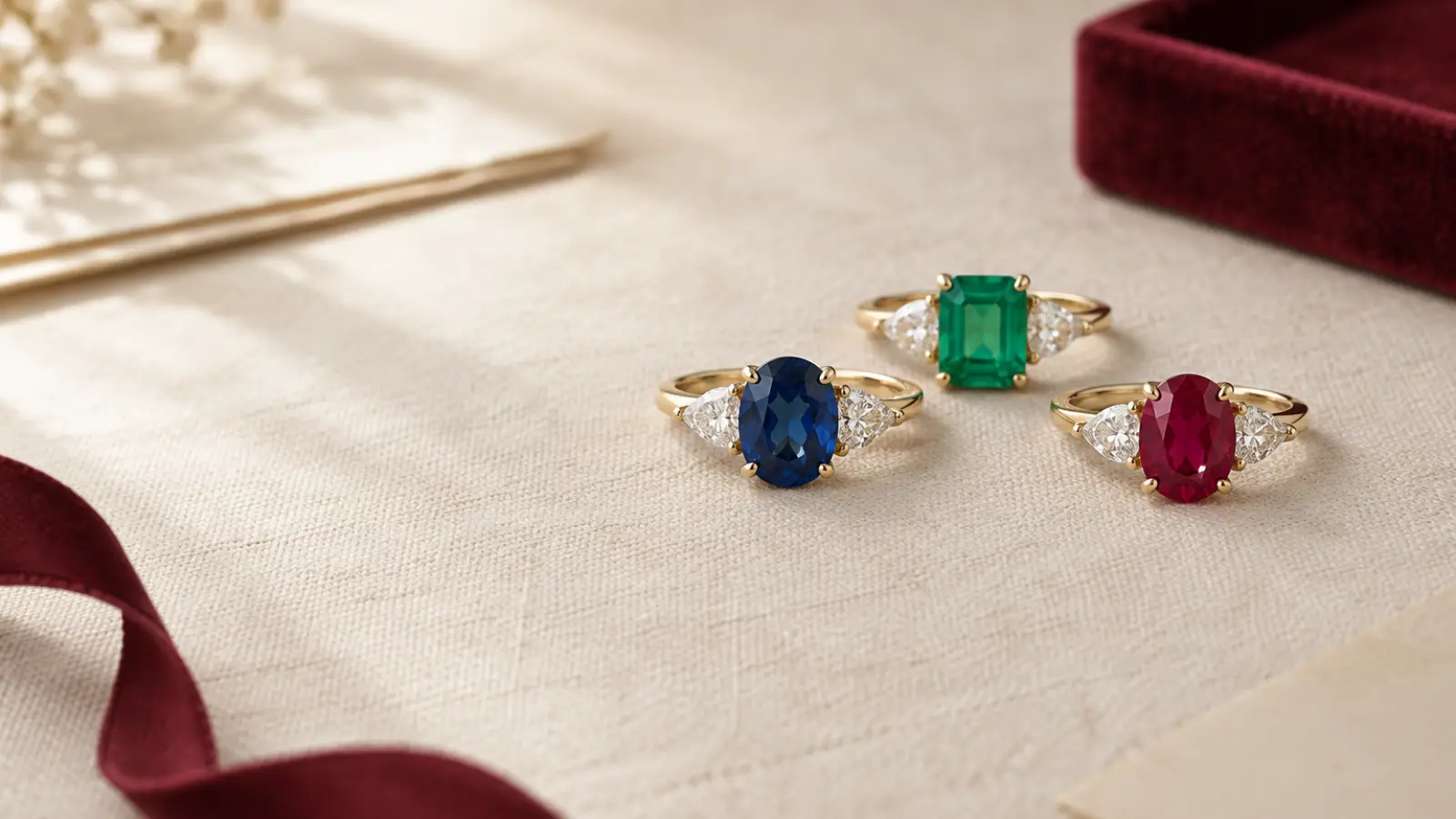
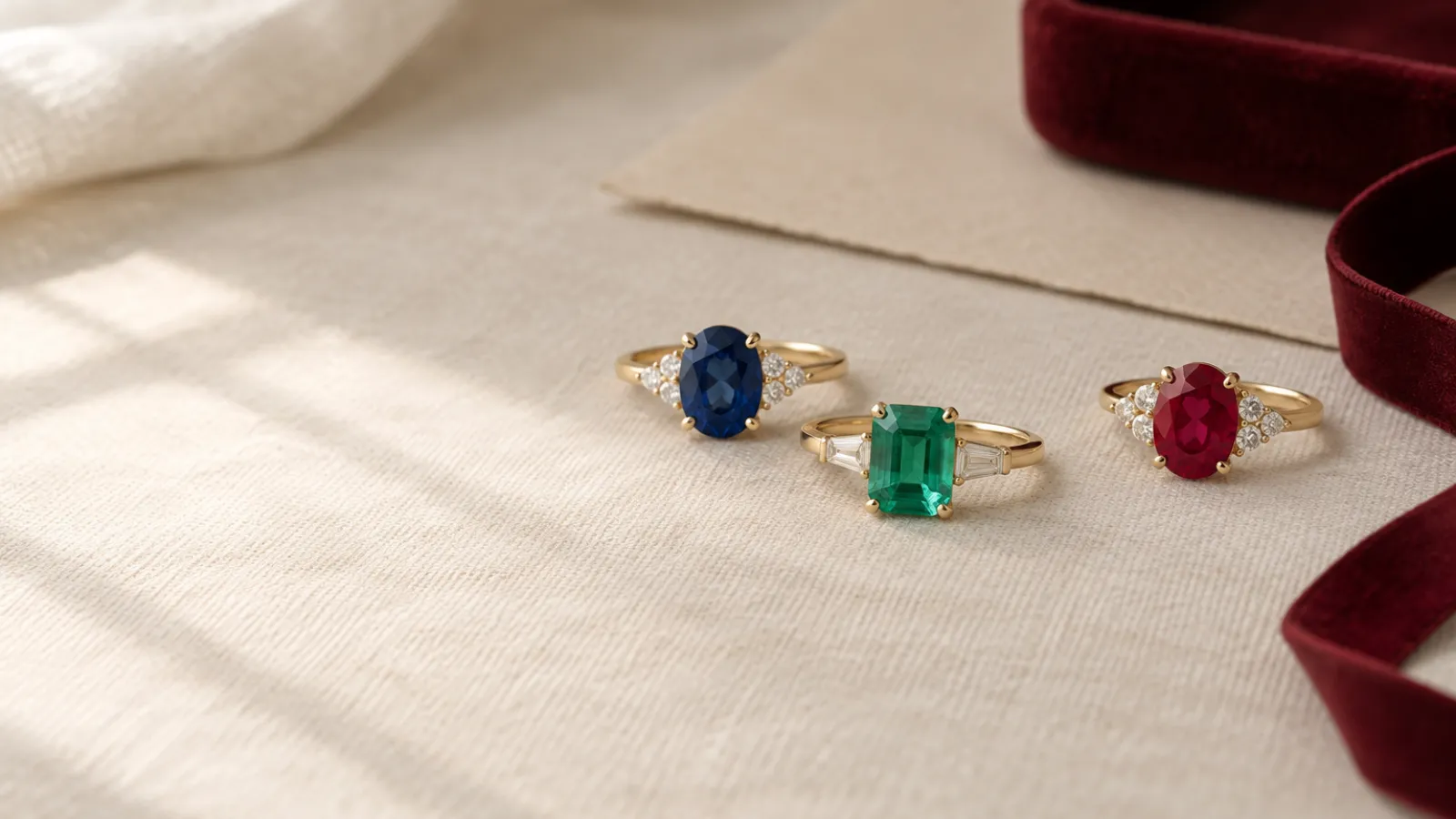
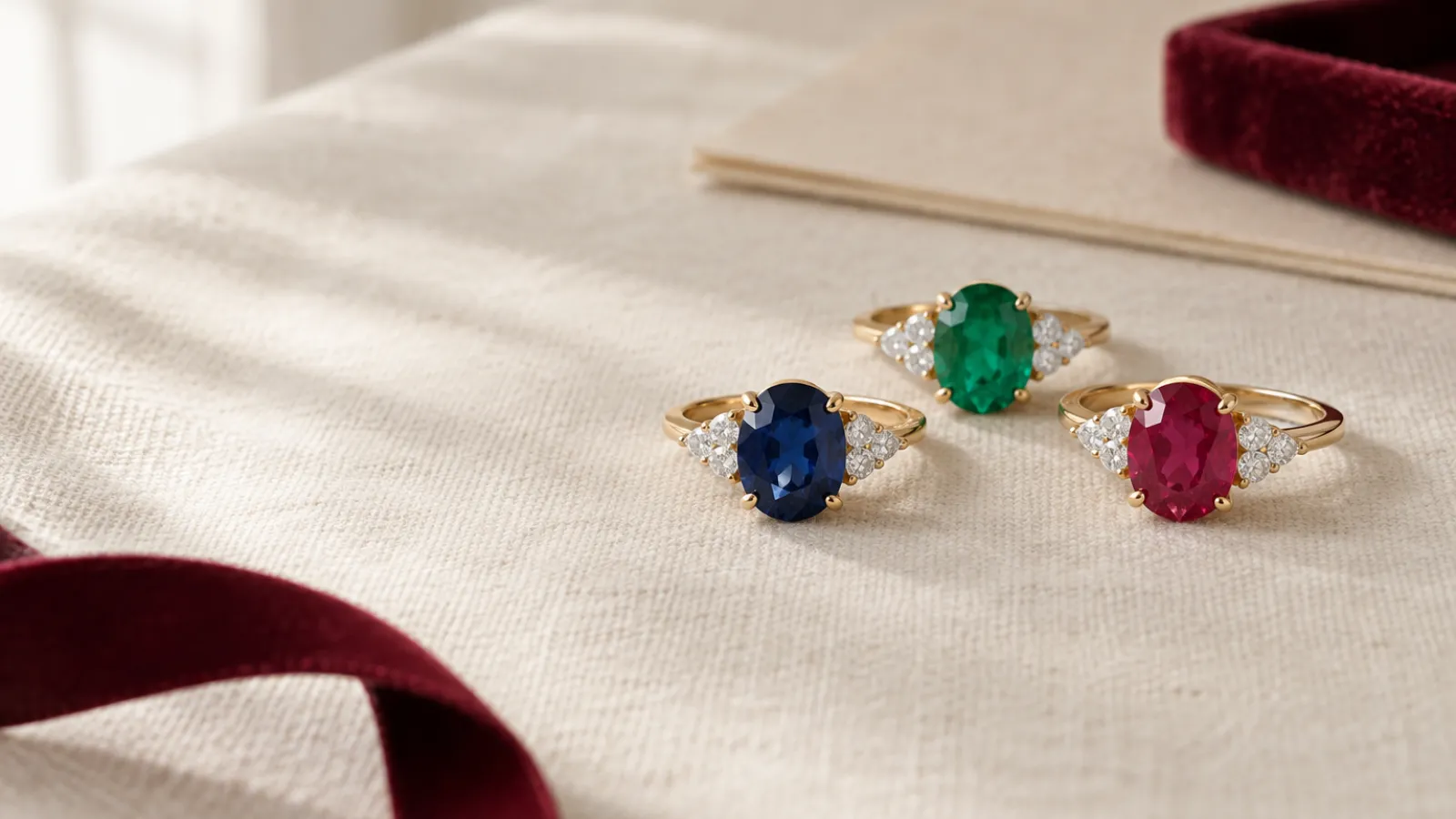
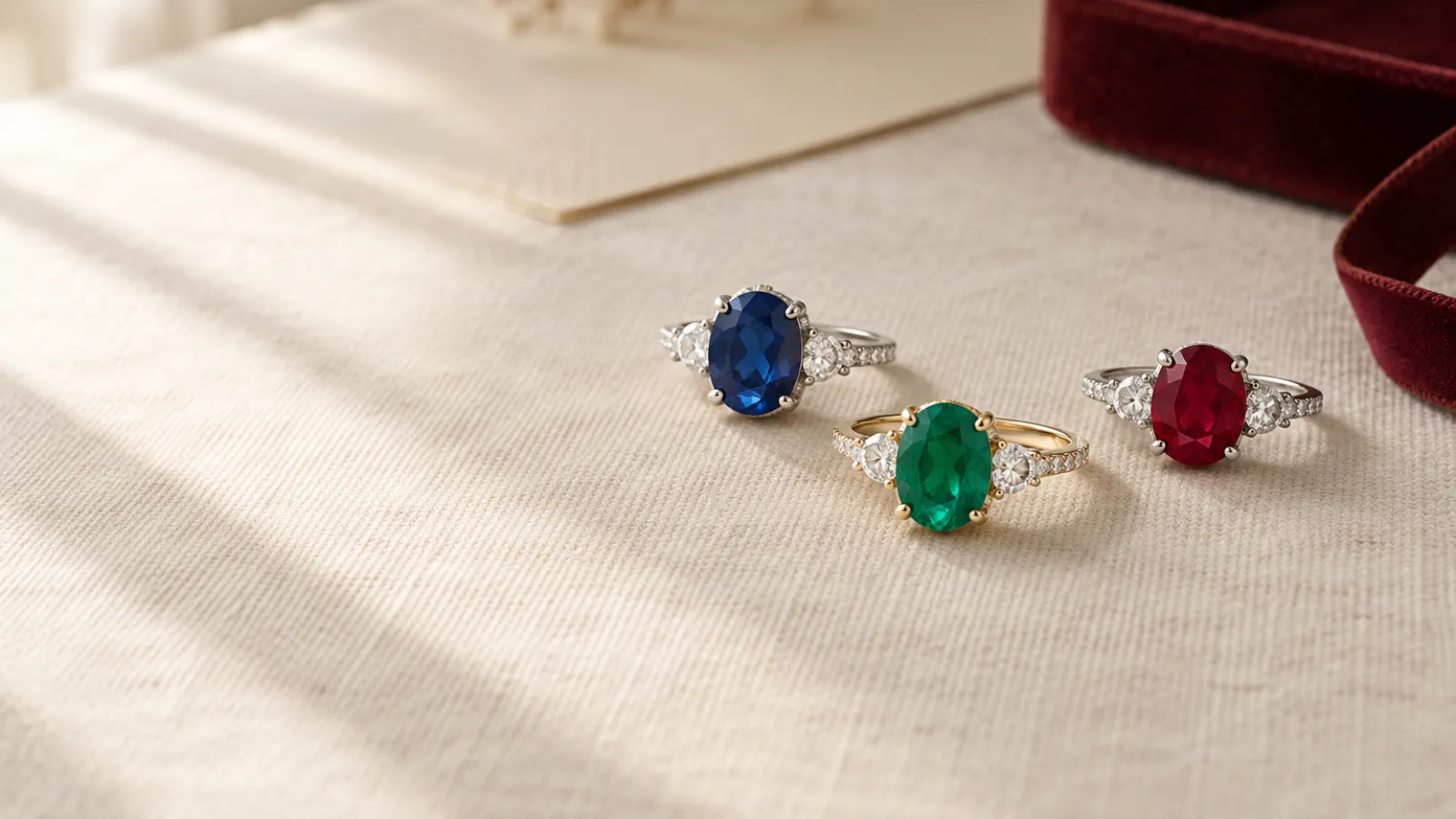
Colored gemstone engagement rings use sapphire, ruby, emerald, aquamarine or alexandrite as the center stone. Check durability, treatments, reports and settings.
Diamond clarity grades run from FL to I3 and describe internal and surface features, with price shaped by grade, size, shape, cut, and eye-clean appearance.
Diamond color grades explained through the GIA D-to-Z scale, G versus H versus I, metal, fluorescence, fancy colors, and report checks.
Diamond cut grade explains how a round brilliant returns light. Learn the GIA scale, proportion checks, fancy-shape limits, and buying checks.
Which diamond shape looks the biggest depends on face-up dimensions. Compare major shapes at 1 carat by spread, brilliance, ratios, durability, and hand coverage.
Learn how to buy fancy color diamonds by reading the GIA color grade, confirming natural or treated color, comparing blue, pink, yellow and champagne stones, and checking the report.
GIA vs IGI certification explained: compare report fields, natural and lab-grown grading, verification steps, price effects and buying safeguards.
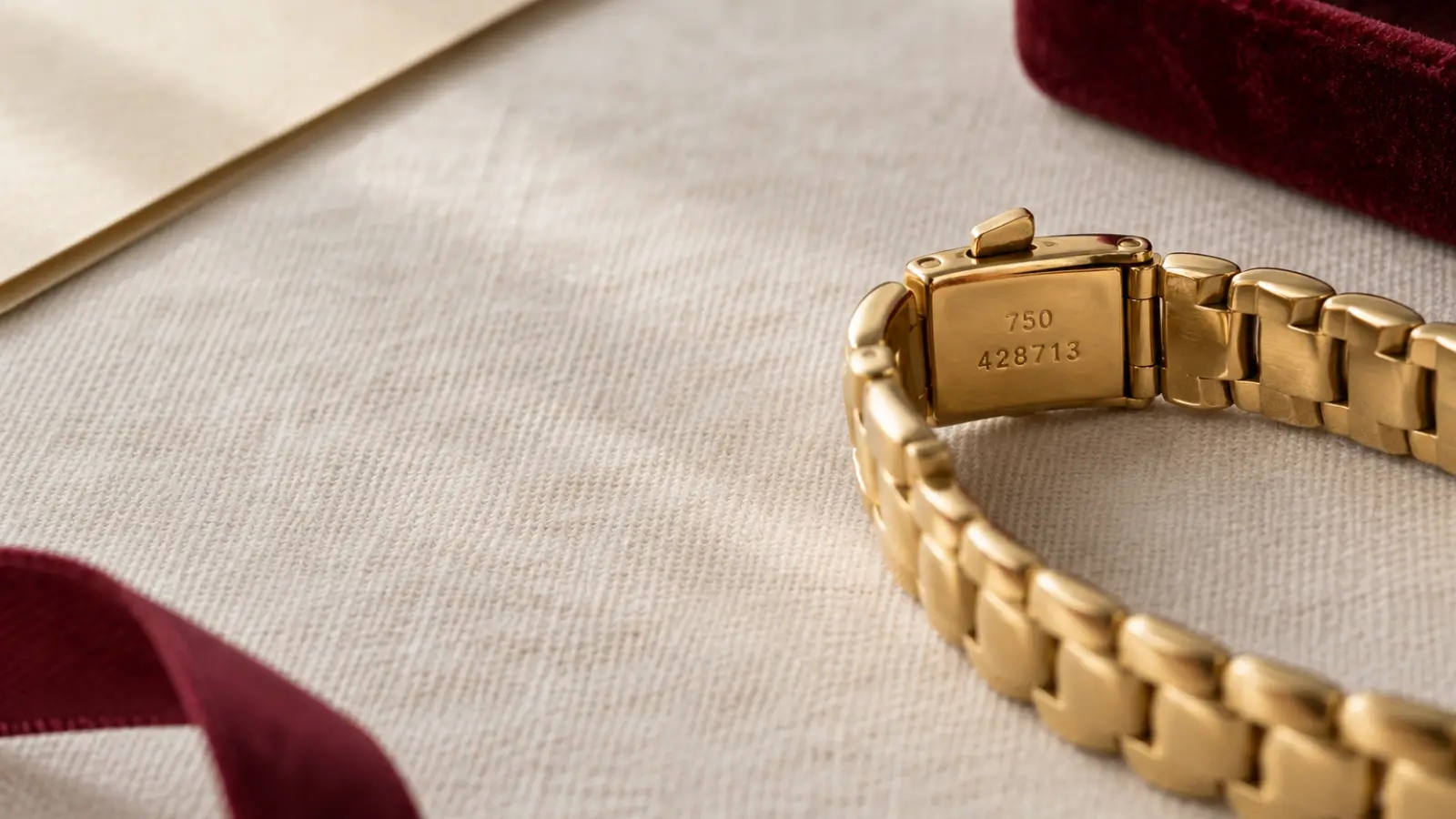
Gold purity and hallmarks show gold content and identify marks for fineness, maker, assay office, country or date, helping buyers assess jewelry accurately.
How much to spend on an engagement ring depends on cash flow, priorities, and stone choice. See 2026 natural and lab-grown prices, settings, and checks.
Learn how to clean jewelry at home safely by material, including diamonds, gold, silver, pearls, opals, emeralds, plated pieces, and antiques.
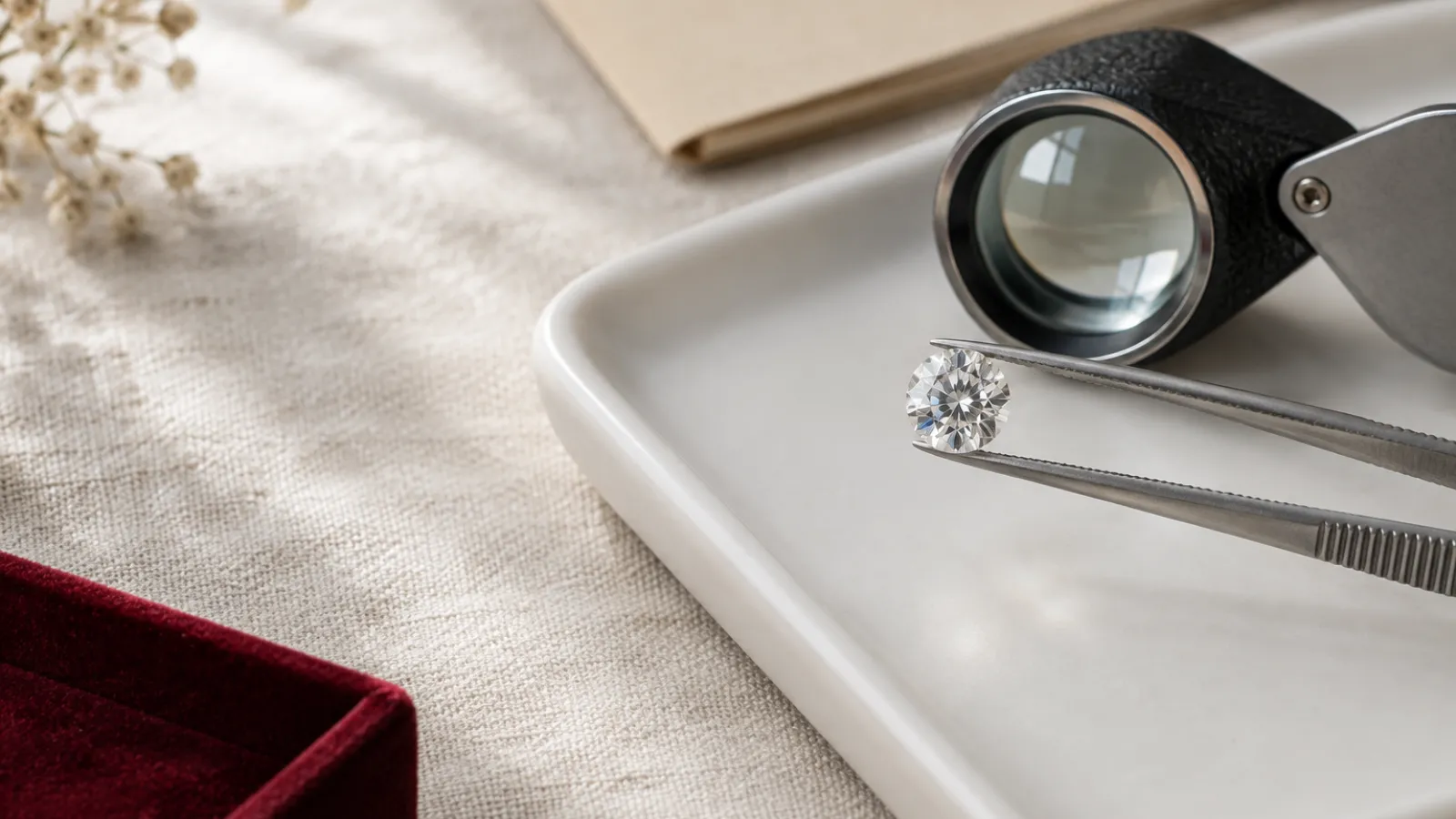
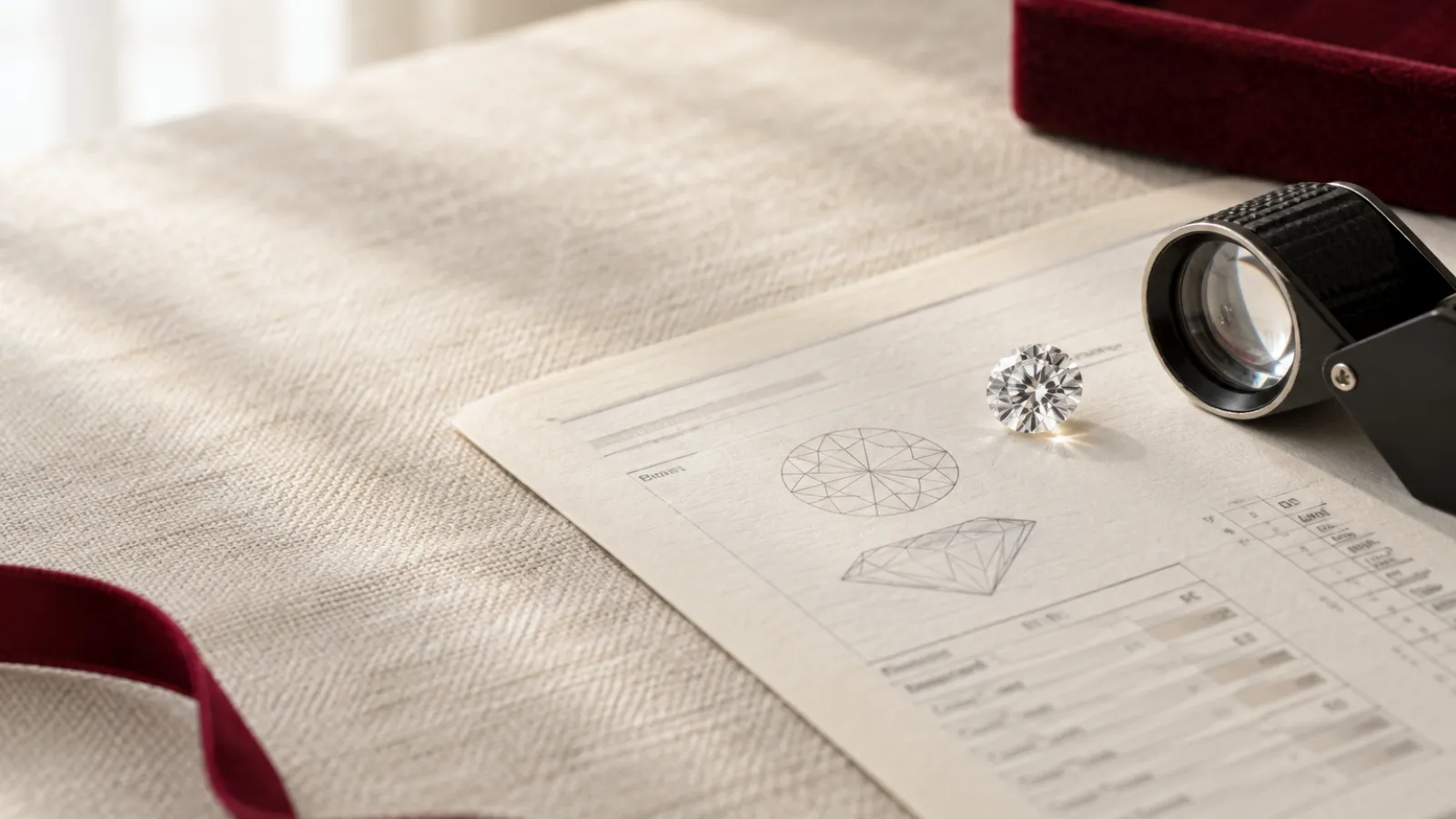
Learn how to read a diamond grading report by checking identity, 4Cs, proportions, clarity plot, treatments, inscription, and report number.
Learn how to tell if a diamond is real using a grading report, inscription, professional testing and the limits of fog, water, thermal and electrical tests.
What is a lab grown diamond? It is a real diamond made by CVD or HPHT, then identified, graded and priced separately from a natural diamond.
Lab grown diamond vs moissanite vs cubic zirconia explained by chemistry, hardness, sparkle, testing, certification, resale, and buying checks.
old european cut vs modern round brilliant: learn the facet, culet, crown, light, report and price differences that identify each style.
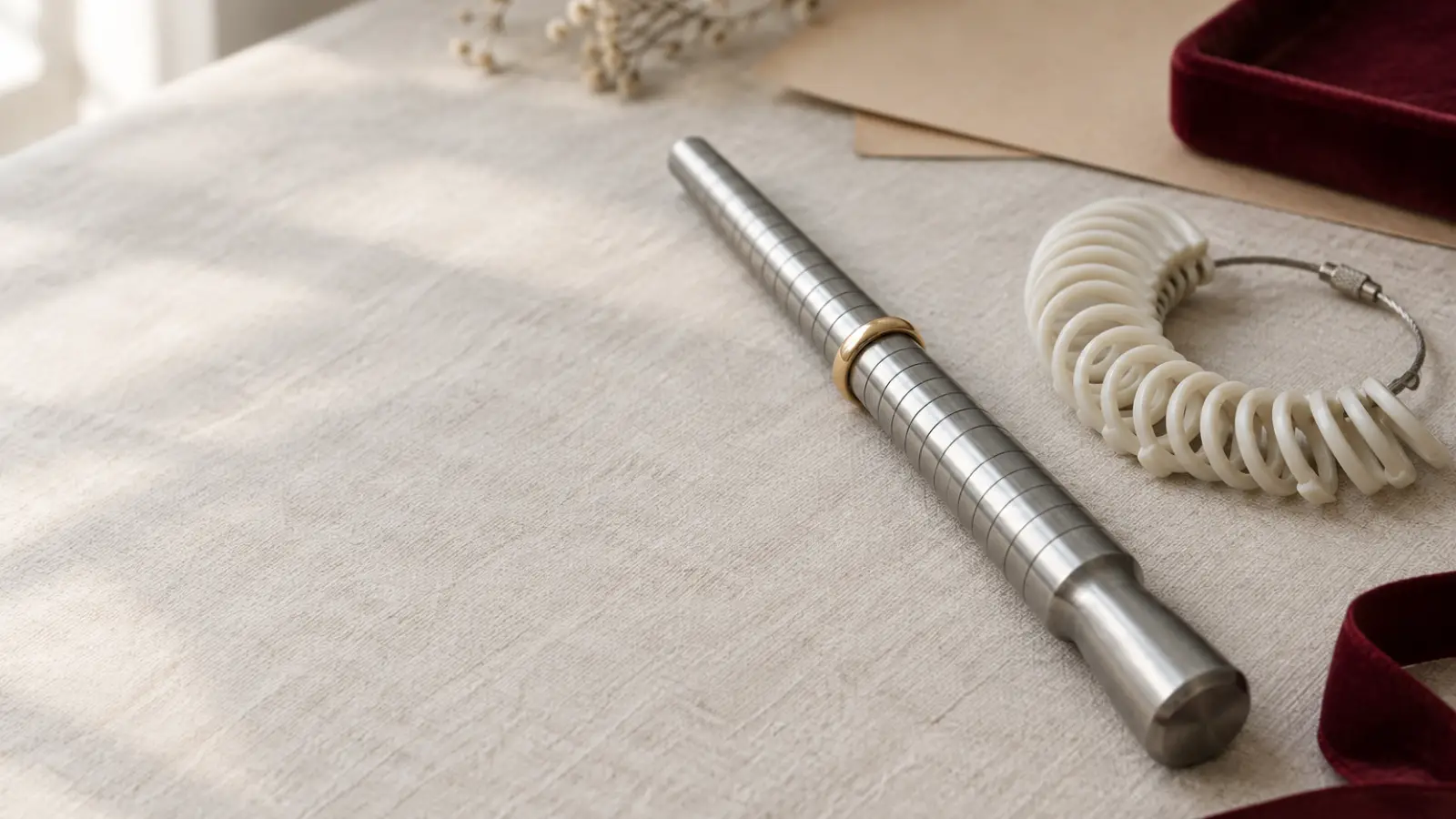
Learn how to measure ring size at home with a full US chart in millimeters and inches, UK and EU conversions, fit advice, and resizing guidance.
Is my vintage jewelry worth anything? Learn how age, materials, signatures, condition and rarity affect value, with typical 2026 selling ranges for fine and costume pieces.