Manual entry
Diamond Carat
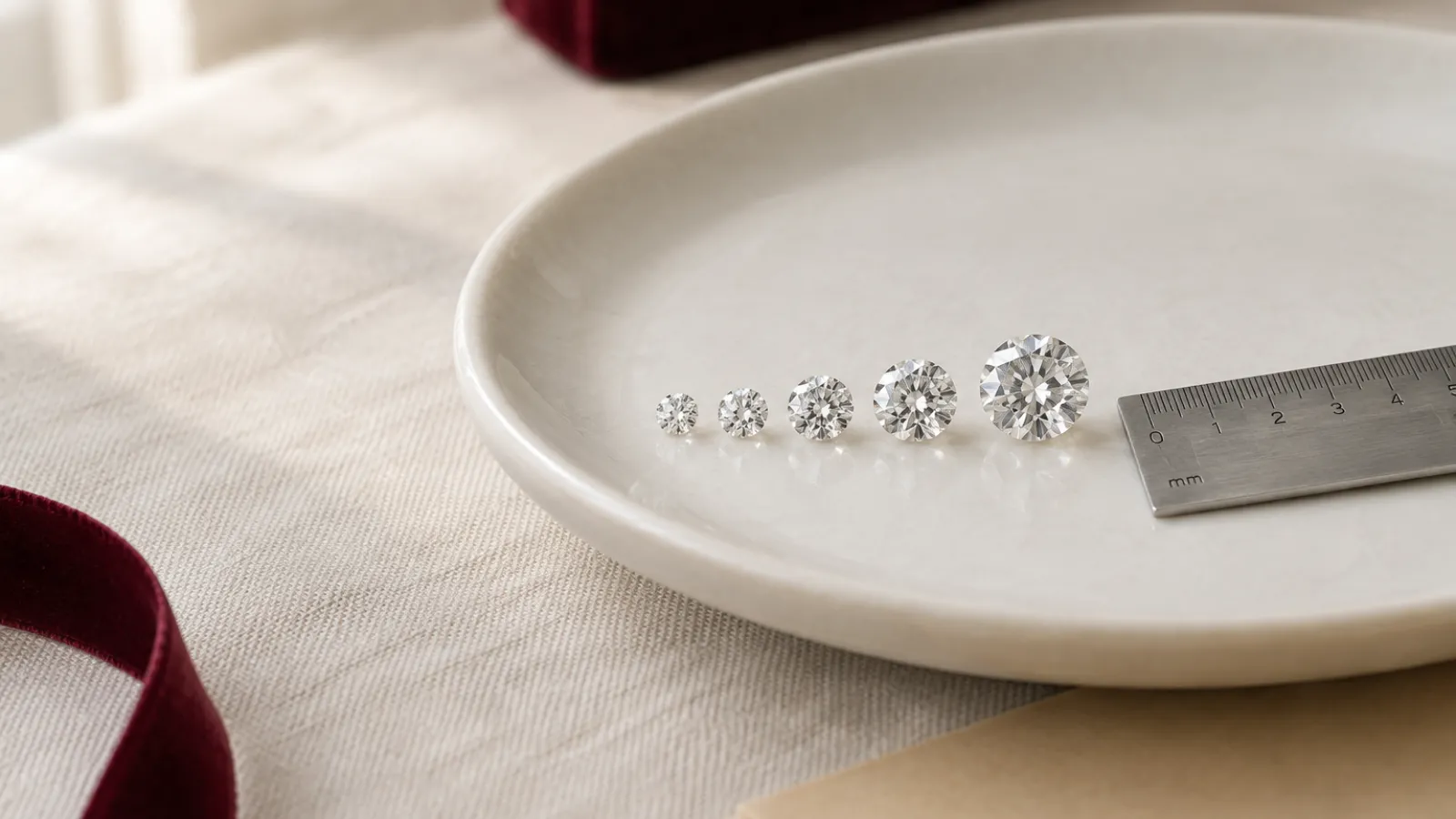
Diamond carat measures a stone's weight, not its visible size. Learn how carat affects price, appearance, durability, grading reports and retailer choice.
Eleanor Marsh · Verified Sep 21, 2026 · 9 min
Plain definitions of every term you meet when buying a diamond or a piece of jewelry, what each one means for the price, how to check it, and where to buy it.
63 entries · listed by verification date
Diamond carat measures a stone's weight, not its visible size. Learn how carat affects price, appearance, durability, grading reports and retailer choice.
Flower earrings use petal-like gemstone or metal elements around a center; compare materials, setting security, certificates, prices, and retailer policies before buying.
A necklace chain is the linked metal structure that supports a pendant or forms a necklace by itself; check its links, clasp, metal purity, length, and report.
VS1 vs VS2 diamond clarity compares two eye-clean grades. VS1 has fewer or harder-to-see inclusions, but VS2 often provides the better value when appearance is the same.
CVD vs HPHT lab grown diamonds use different growth processes, but the grading report, cut, color, clarity and disclosure of treatment matter more than the method.
Diamond treatments alter a stone’s color, clarity, or appearance after growth; buyers should identify the method, confirm disclosure, and assess durability and resale.
Diamond fluorescence is a UV response recorded on the grading report. Learn when blue fluorescence can improve appearance, create haze, affect price, or change resale.
Moissanite vs diamond comes down to material, appearance, durability, documentation, price and resale expectations; use this guide to compare stones and retailers.
Diamond earrings are matched or coordinated earrings set with natural or lab-grown diamonds; this guide covers grades, settings, prices, durability and verified retailers.
Moissanite vs lab diamond compares a silicon-carbide gemstone with a laboratory-grown diamond: they differ in composition, optics, durability, grading and long-term value.
A necklace length chart shows how chain measurements sit on the body, which clasp positions fit, and how length affects styling, comfort, durability, and price.
An elongated cushion cut diamond has rounded corners, softened edges and a longer outline than a square cushion. Learn how to check its proportions, light return, price and report.
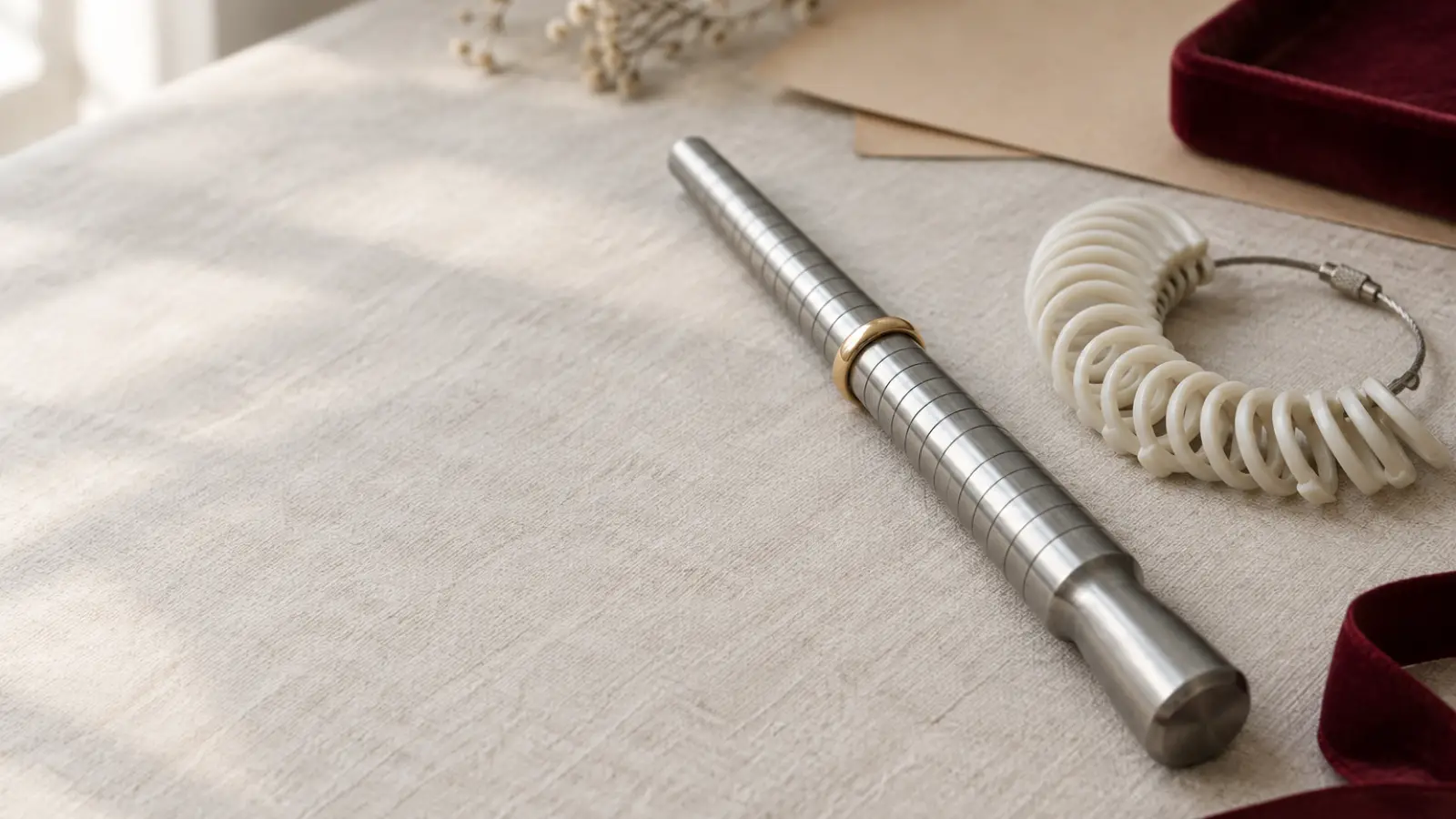
A ring sizer measures finger circumference for a usable ring size; learn how to measure accurately, avoid fit errors, compare retailers, and budget for a ring.
An asscher cut diamond has a square outline, clipped corners and concentric step facets. Learn how to judge clarity, cut, price, durability and retailer policies.
Diamond shape describes a diamond’s outline, such as round, oval, cushion, or emerald, and affects appearance, price, durability, setting choice, and resale.
An emerald cut diamond has a rectangular step-cut design, broad reflective flashes, and visible clarity characteristics. Learn how to inspect, price, and buy one.
An elongated cushion cut is a rectangular cushion diamond with softened corners. Learn how proportions, clarity, light performance, certification, and setting choice affect value.
VVS diamonds have minute inclusions that are difficult to see at 10x magnification. Learn how VVS1 and VVS2 affect price, appearance, durability and resale.
Necklace lengths determine where a chain rests, how a pendant hangs, and how much movement it allows. Learn to measure fit, construction, materials, and price.
The best metal for an engagement ring for daily wear depends on allergies, maintenance, weight, durability, resizing needs, appearance and setting cost.
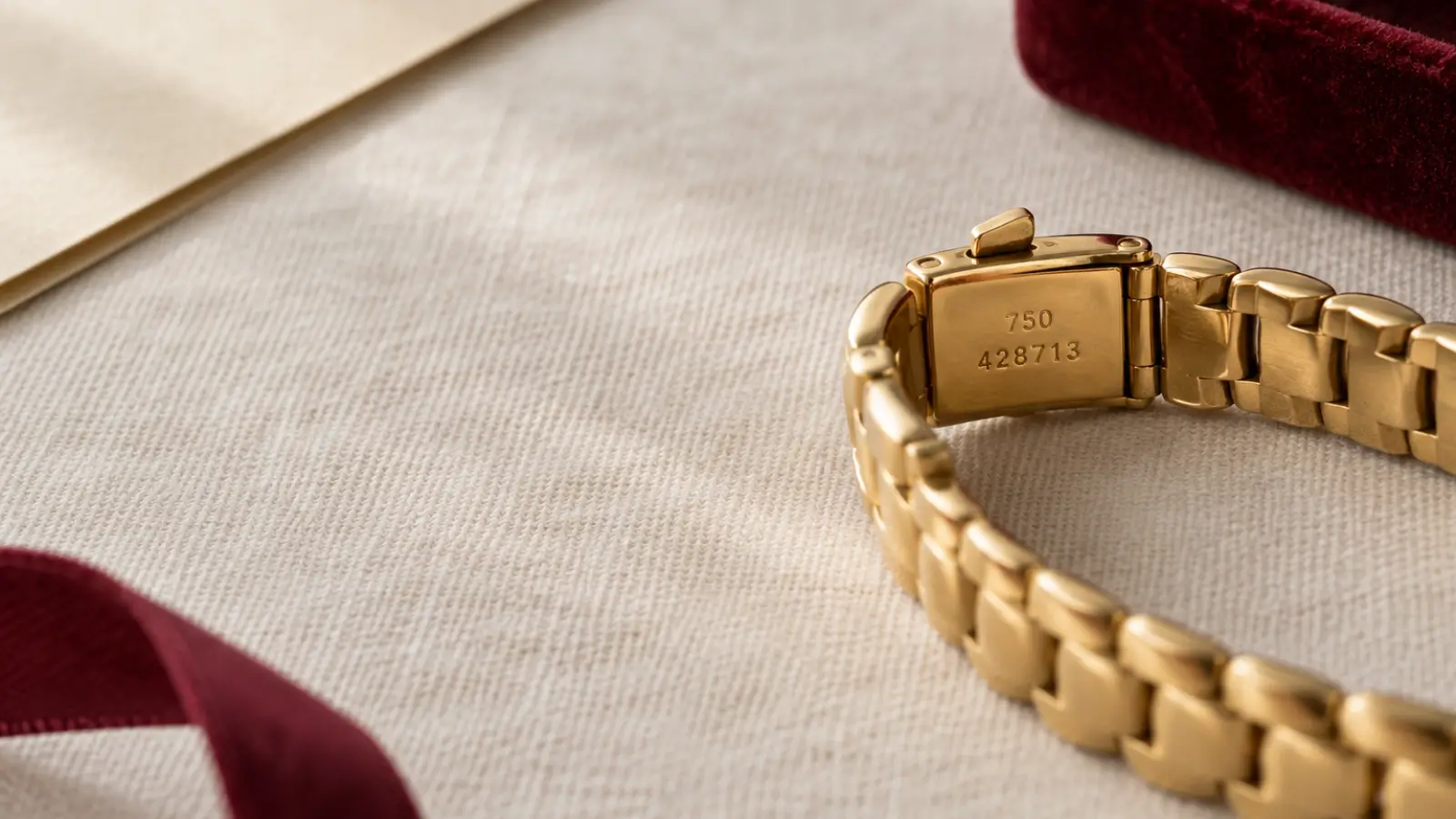
Learn how to buy signed designer jewelry by checking house marks, serial numbers, hallmarks, paperwork, condition, repairs, and the premium over certified diamonds.
Diamond carat weight vs size explains why diamonds with the same weight can look different, using millimetre dimensions, shape, spread and finger coverage.
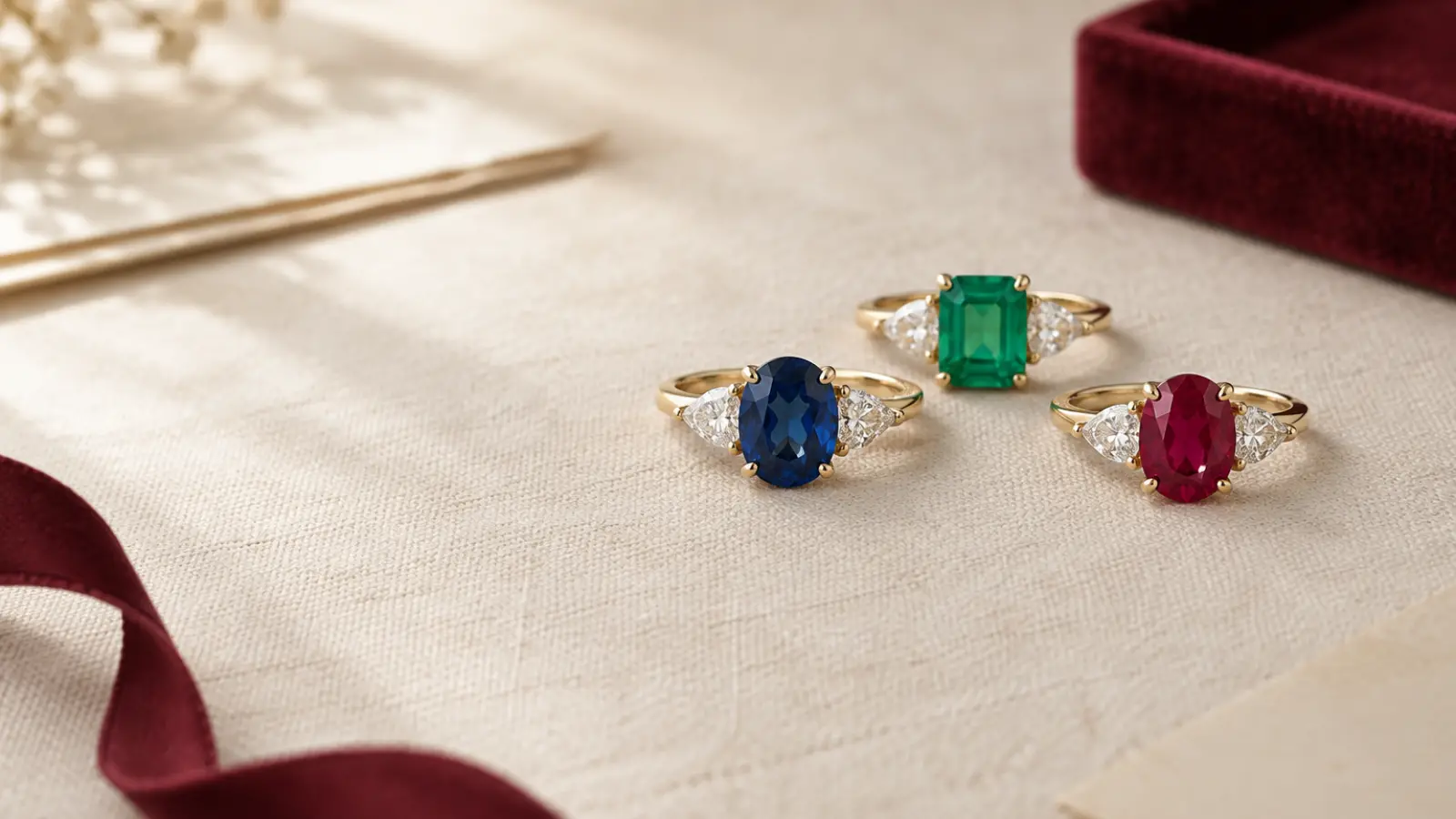
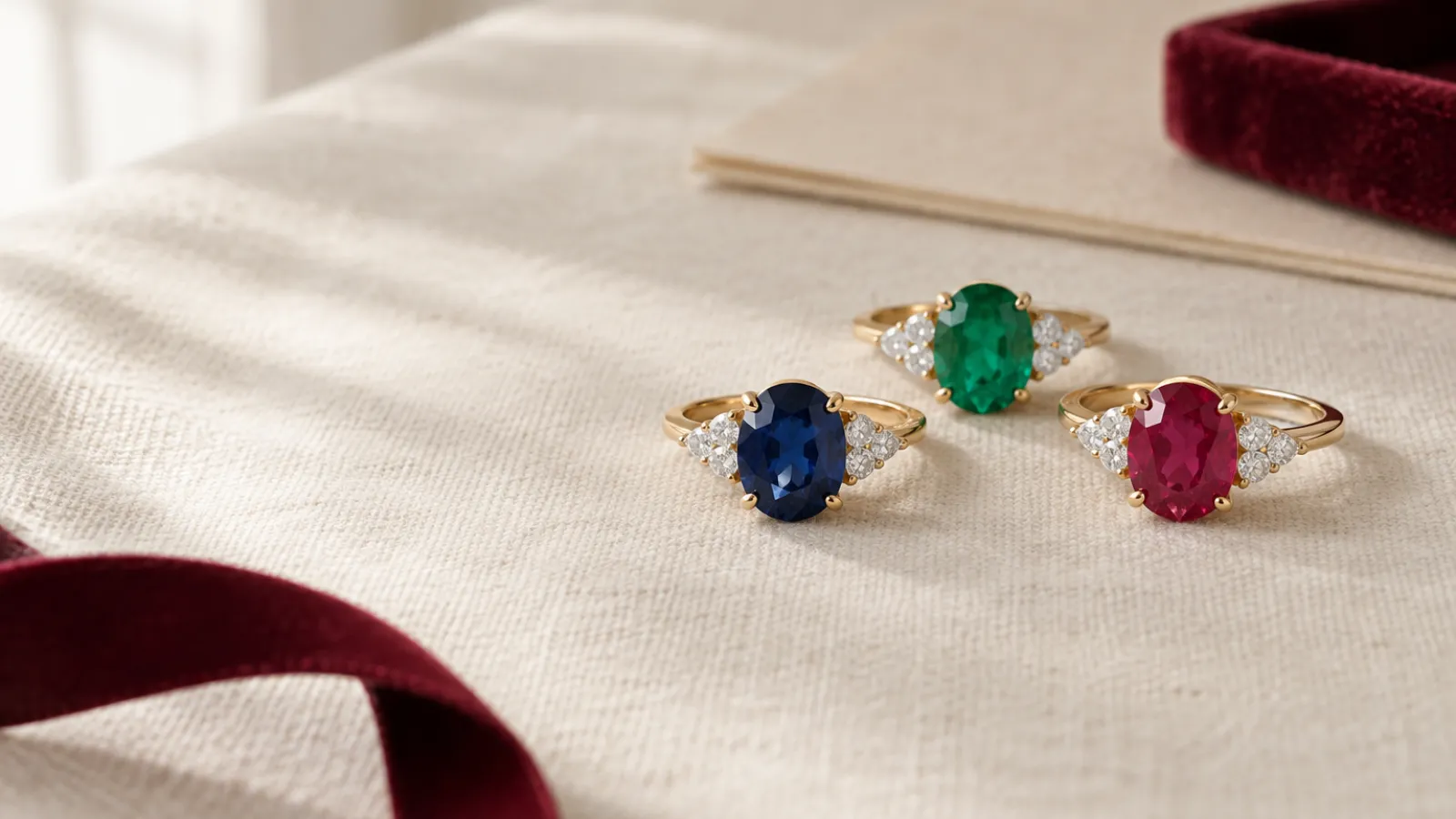
Colored gemstone engagement rings use sapphire, ruby, emerald, aquamarine or alexandrite as the center stone. Check durability, treatments, reports and settings.
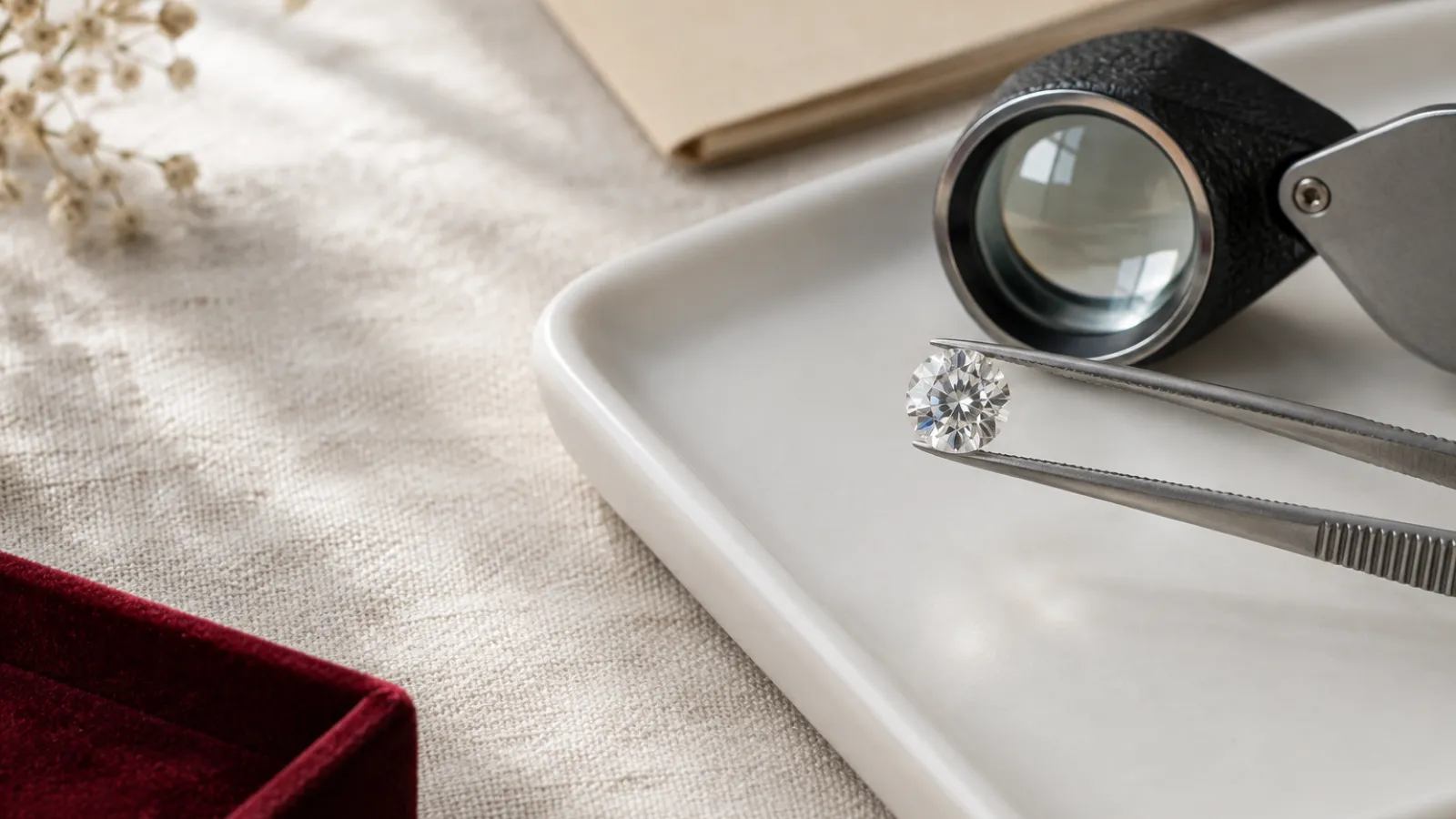
Diamond clarity grades run from FL to I3 and describe internal and surface features, with price shaped by grade, size, shape, cut, and eye-clean appearance.