How to Buy Signed Designer Jewelry: Cartier, Tiffany, Van Cleef, Bulgari and Others
Learn how to buy signed designer jewelry by checking house marks, serial numbers, hallmarks, paperwork, condition, repairs, and the premium over certified diamonds.
How this entry was checked: facts are tied to a linked source or to our verified data sets; retailers are scored on the same published criteria. Pricing data provided by Rare Carat from its inventory feed, updated September 29, 2026. Other retailers' prices were verified September 16, 2026.
The short answer
Signed jewelry is a piece marked with a maker’s or house name, supported by hallmarks, serial numbers, dated paperwork, or construction details. Buy it only after checking authenticity, condition, provenance, repair history, and the premium over comparable unsigned jewelry.
How to check it
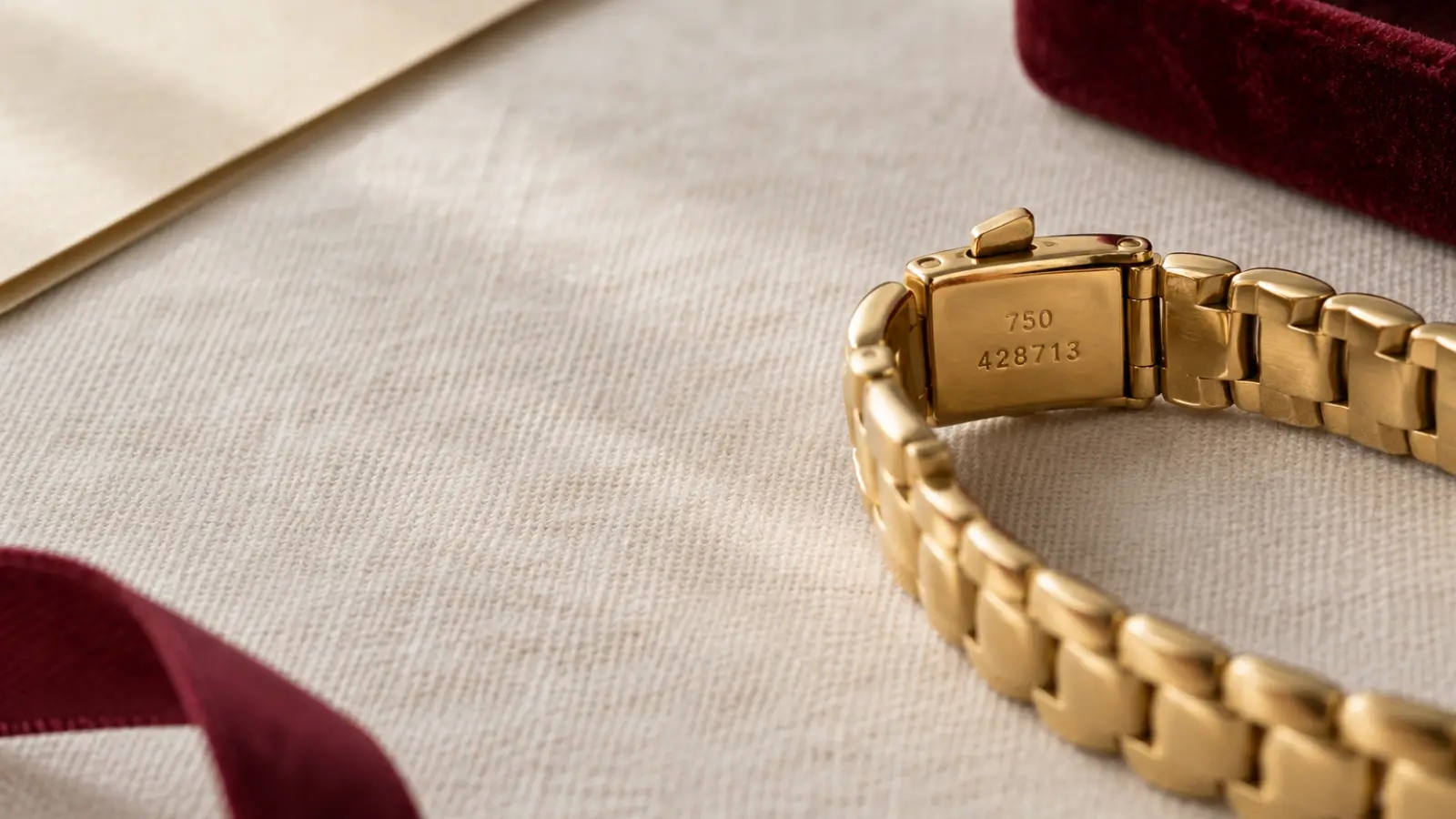
Check the house mark against documented examples from the relevant period.
Match every serial number or edition number to the paperwork and construction.
Read the metal hallmark and confirm that it matches the stated material.
Inspect prongs, clasps, solder joints, plating, stones, and evidence of repair.
Compare the signed piece with current estate and auction ranges before paying a premium.
Request a written return policy and an independent evaluation for expensive pieces.
How to buy signed designer jewelry begins with defining signed jewelry as a piece bearing a maker’s or house mark, then checking hallmarks, serial numbers, paperwork, construction, condition, and provenance before purchase.
Every fact in this entry is tied to a linked source or to our verified data sets, and every retailer named is scored on the same published criteria.
A signed piece may come from Cartier, Tiffany & Co., Van Cleef & Arpels, Bulgari, Harry Winston, Graff, Mikimoto, David Yurman, John Hardy, or James Avery. The signature identifies a claimed maker. It does not, by itself, establish authenticity, age, metal content, condition, or value.
A buyer should treat a signature as one part of an evidence set. The relevant evidence includes the mark’s lettering and position, the metal hallmark, serial or model number, construction, dimensions, stones, clasp or closure, paperwork, and ownership history. The standard changes with the house and period. A mark that is correct for one decade may be wrong for another.
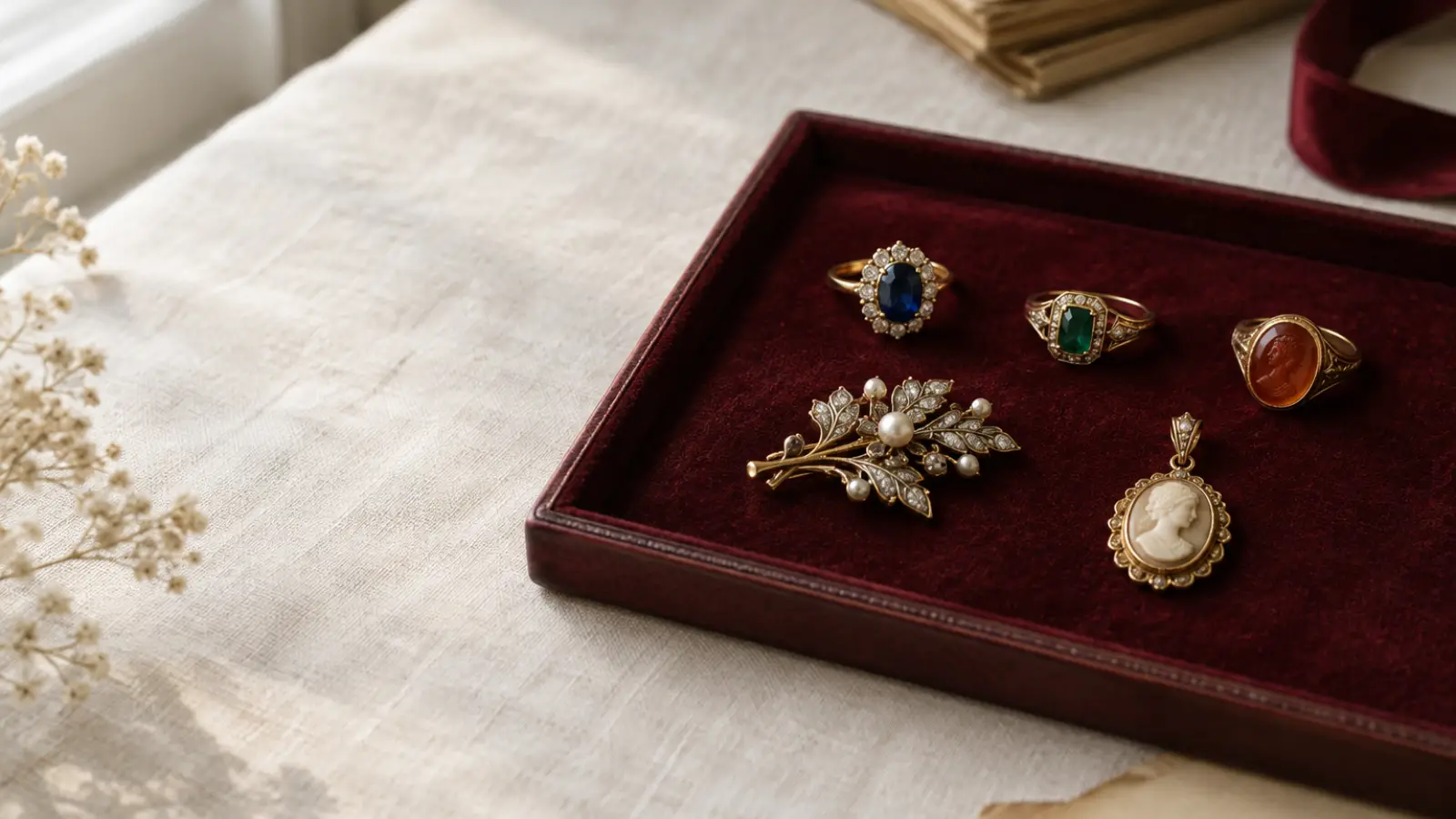
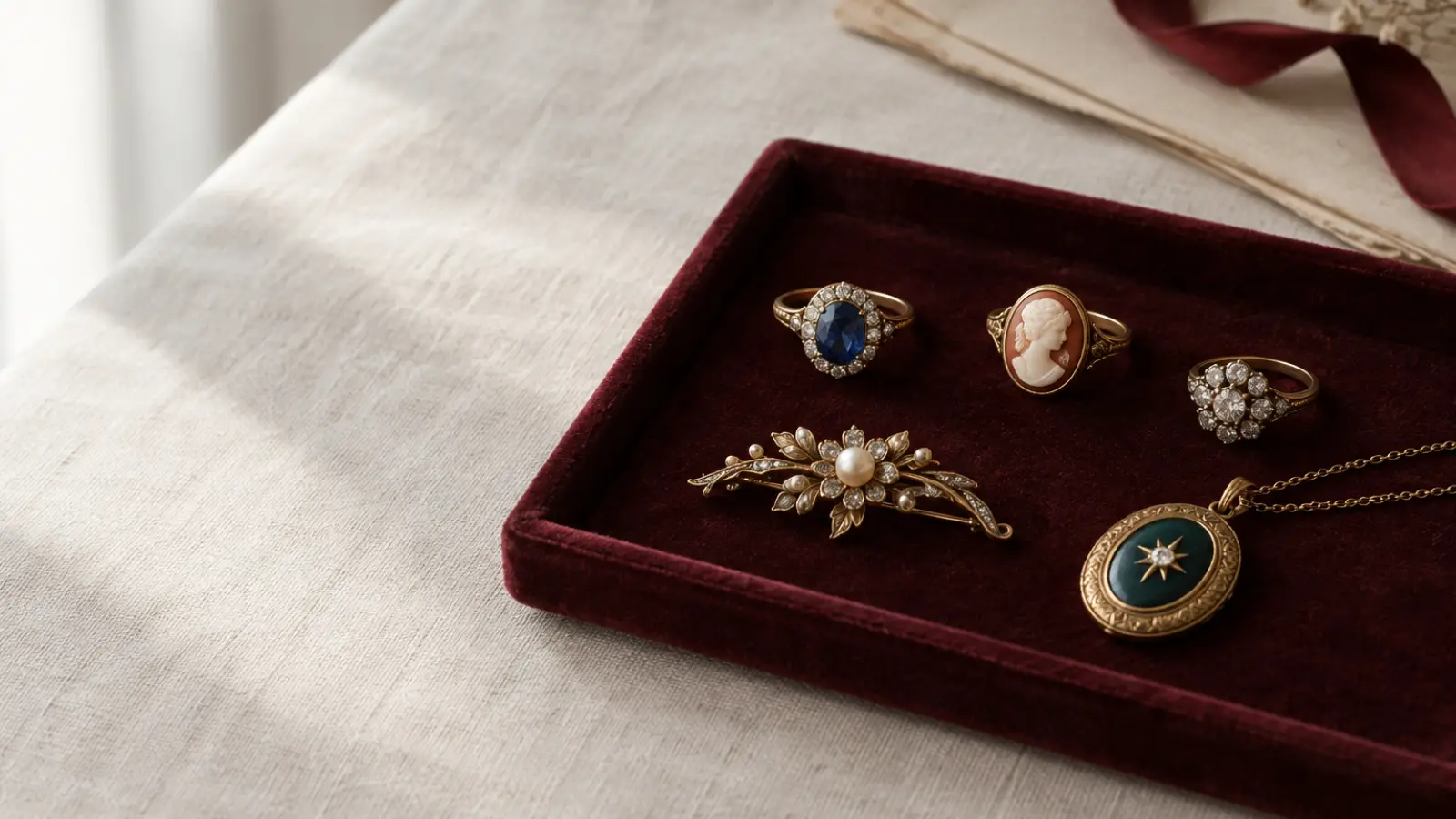
Signed jewelry can be modern, vintage, antique, or recently restored. Estate jewelry refers to previously owned jewelry. It may be old, but the word does not prove a particular age. Antique usually refers to an item that is at least 100 years old, although a seller should state the basis for that description.
How to buy signed designer jewelry safely
A signed purchase requires separate checks for price, appearance, durability, and resale. The maker’s name affects each area, but it does not replace an examination of the object.
Price
The signature may add a brand premium above the value of the metal and stones. That premium can reflect a recognizable design, controlled production, skilled finishing, limited availability, historical importance, or strong demand for a specific model. It can also reflect paperwork and a documented chain of ownership.
The premium is not uniform. A common signed bracelet in worn condition may sell for less than an unsigned piece with similar materials. A scarce design with original documents and excellent condition may command substantially more. A name alone is not a valuation method.
Compare the signed item with similar examples from the same house, collection, metal, era, size, and condition. A signed ring should not be compared only with the scrap value of its gold or the wholesale value of its center stone. It should also not be compared with a perfect example if the offered piece has replacement stones or heavy restoration.
Use the vintage jewelry value guide to separate material value, design value, condition, and market evidence. For an expensive purchase, ask for recent comparable results from an established auction house or specialist dealer.
Appearance
House designs often depend on proportions that are difficult to reproduce. Examples include a particular clasp, engraved edge, stone arrangement, finish, or surface texture. Wear can change the appearance. Polishing may soften engraved details. Replating may alter color. Replacement stones may create a visible mismatch.
White-colored metals need special attention. A piece may have a rhodium or other surface treatment that changes its color and shine. Ask if the surface is original, renewed, or absent. A yellow-gold piece that has been polished aggressively may have lost crisp edges or small design details.
Enamel, lacquer, shell, coral, pearls, and other sensitive materials require separate inspection. Look for cracks, lifting, discoloration, abrasion, and evidence of moisture damage. Pearl strands should be checked for stretched silk, worn knots, and weakened clasps.
Durability
A famous mark does not make a piece structurally sound. Durability depends on metal thickness, joints, hinges, clasps, stone settings, previous repairs, and current wear.
Check rings for thin shanks, worn prongs, and an uneven gallery. Check bracelets for stretched links and weak catches. Check earrings for loose posts, bent backs, and repairs around the fittings. Check necklaces for worn jump rings and soldered sections.
A signed piece may be difficult or expensive to repair if it requires a house-specific component. Ask the seller if the house still services the model. Ask what work was performed, who performed it, and when. Get those answers in writing.
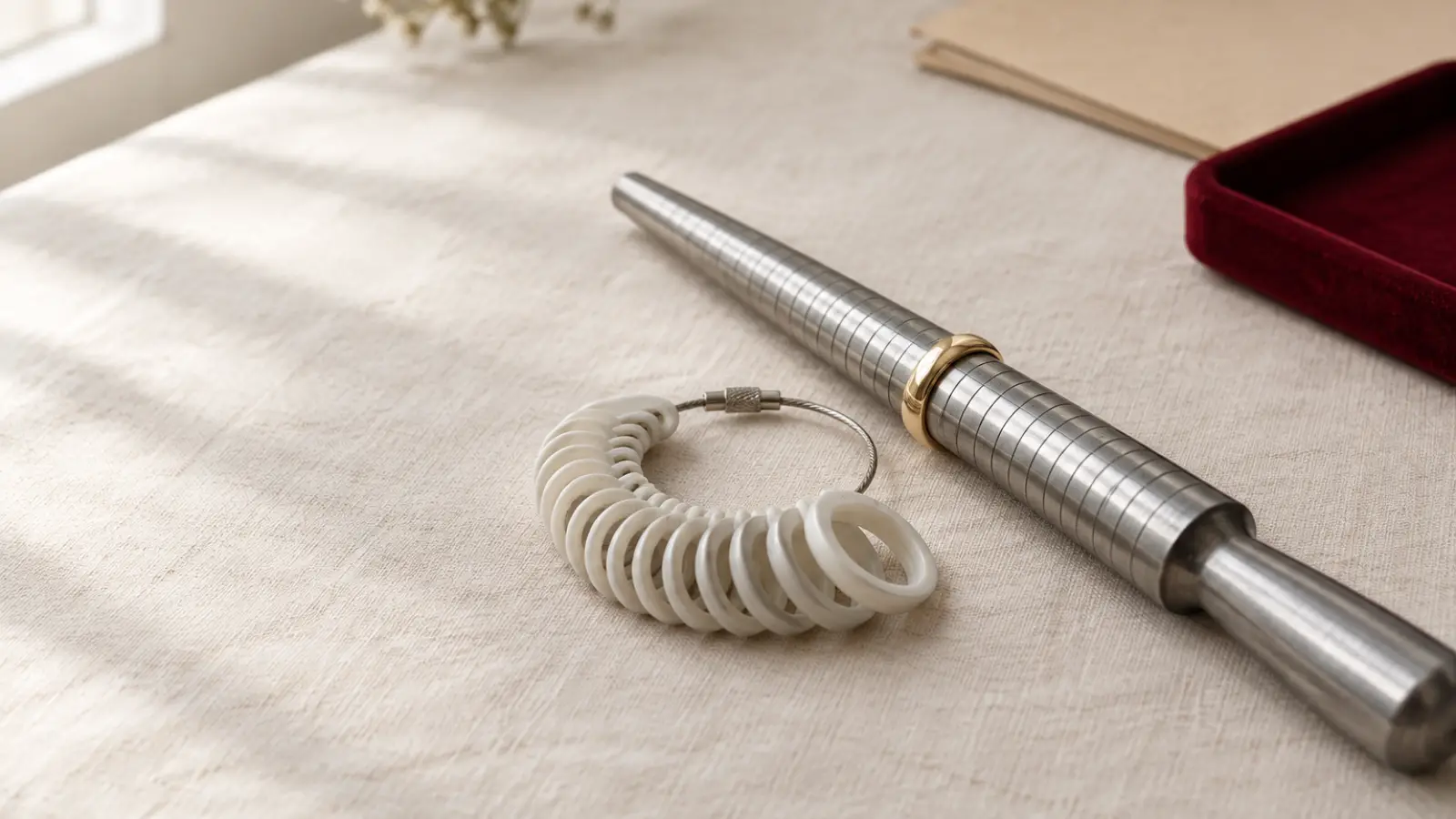
Ring size affects both comfort and service. Review the ring size chart before purchase, especially for signed rings with intricate shoulders, channel-set stones, enamel, or an eternity design. Some rings cannot be resized without changing the design.
Resale
Resale depends on authenticity, condition, desirability, materials, completeness, and the quality of the sales record. Original boxes and papers can help establish a purchase history, but packaging alone does not authenticate an item. A missing box does not prove a piece is false.
A service receipt can document maintenance. It may also reveal that stones, clasps, or links were replaced. A house-issued certificate may be useful, but its date and description must agree with the item offered.
Resale buyers usually prefer honest descriptions. State if the item was polished, replated, resized, repaired, engraved, or modified. Concealed restoration creates a larger problem than ordinary wear.
How to check it
Use several checks together. A house mark, serial number, and hallmark should support the same conclusion. The grading report field applies when the piece includes a report for a diamond or colored stone. A report does not authenticate the designer signature.
What to look at
What good looks like
Red flag
House mark
The name, logo, font, spacing, and position agree with documented examples from the claimed period.
A blurry, misspelled, uneven, or incorrectly placed mark
Metal hallmark
The fineness or purity mark agrees with the seller’s metal description and the piece’s construction.
A missing hallmark, inconsistent metal color, or mark that appears added
Serial or model number
The number is clear, consistent with the house’s format, and matches any receipt, card, or service record.
A number that is absent, duplicated, poorly struck, or unrelated to the paperwork
Construction
Soldering, settings, hinges, clasps, engraving, and finishing show controlled workmanship.
Cuts, sizes, matching, and setting style agree with the claimed model.
Replaced stones, unexplained mismatches, loose settings, or undisclosed treatments
Grading report
For a graded diamond, the report number, shape, measurements, and characteristics match the stone.
A report that describes another stone or does not accompany the stated center diamond
Surface finish
Original polish, patina, enamel, plating, and engraving are described accurately.
Recent polishing or replating is presented as original condition
Paperwork
Receipts, certificates, service records, and provenance identify the item clearly.
Generic paperwork, stock photographs, or documents that describe a different piece
Condition
Wear, repairs, missing parts, and functional problems are disclosed in specific terms.
“Excellent condition” without photographs or a condition report
Return terms
The buyer receives a written inspection period and a clear refund process.
Final sale status, vague authentication language, or pressure to pay immediately
Photograph every mark before purchase. Request close images taken straight on, not only promotional photographs. Compare the mark with documented examples from museum collections, auction catalogues, and the house’s published material. A visual match is useful, but it is not a final authentication.
Serial numbers require care. Some houses use numbers tied to a model or production period. Others use numbers that identify an individual item or service record. Do not assume that a number proves origin. It must agree with the design, dimensions, materials, and construction.
Hallmarks identify metal content or testing standards. They do not necessarily identify the designer. A maker mark, sponsor mark, assay mark, and fineness mark can serve different functions. A buyer should not treat a purity stamp as proof of a house signature.
For a diamond center stone, request the grading report number and match the report to the stone’s measurements and identifying features. The report concerns the diamond. It does not confirm that the ring was made by Cartier, Tiffany & Co., Van Cleef & Arpels, Bulgari, Harry Winston, Graff, Mikimoto, David Yurman, John Hardy, or James Avery.
Common mistakes
Treating the signature as proof
Counterfeit pieces can carry convincing marks. Genuine pieces can also contain later additions. The complete object must make sense as a period design.
Assuming paperwork is original
A box, card, or receipt can be transferred to another item. Check dates, model descriptions, metal, dimensions, and serial numbers. Ask why the documents are available and how the seller obtained them.
Confusing a house name with a designer signature
A designer’s name, a retail brand, a workshop mark, and a manufacturer’s mark may have different meanings. Identify exactly what the mark claims. A retailer’s name does not prove that the retailer made the piece.
Ignoring modifications
Resizing, polishing, replating, stone replacement, engraving, and clasp changes affect condition and value. Ask for each modification separately. “Serviced” is too vague.
Buying from photographs alone
Photographs can hide worn prongs, dents, thin metal, repaired joints, and missing hallmarks. Require close images and a condition report. Keep the inspection period available until the piece has been examined in person.
Expecting a famous name to guarantee investment value
Signed jewelry is collectible, but demand changes. A popular house can have slow-selling models. A rare design can have a narrow buyer base. Buy the object because its authenticity, condition, design, and price meet your requirements.
Skipping insurance documentation
After purchase, retain the receipt, photographs, reports, service records, and written description. An insurer may need a current appraisal. An appraisal for insurance is not the same as a guaranteed resale price.
Prices
Signed designer jewelry has no single price schedule. The principal variables are house, model, metal, stone content, age, condition, originality, paperwork, and current demand.
For a typical 2026 reference point, a signed costume brooch may fall around $40 to $400. A rare signed costume piece may fall around $500 to $3,000. A couture costume-signed piece may fall around $300 to $2,500. These categories cover very different materials and should not be compared with precious-metal jewelry.
A vintage charm bracelet in 14k gold may fall around $800 to $5,000. A signed house estate ring may fall around $3,000 to $25,000. These ranges are broad because stone quality, design scarcity, condition, and documentation vary sharply.
Period and style also affect the result. Georgian rings may fall around $3,000 to $15,000. Victorian rings may fall around $1,500 to $8,000. Edwardian rings may fall around $2,500 to $12,000. Art Deco rings may fall around $2,500 to $15,000. These are reference ranges for wearable original pieces, not guaranteed offers.
A buyer comparing a signed ring with a new diamond ring should isolate the premium. The new ring may offer a current grading report, known return terms, and predictable service. The signed ring may offer a recognizable design, older workmanship, rarity, and a documented collecting history. Neither category is automatically the better value.
If the signature does not matter to you, compare the stone and setting directly. A certified diamond purchased from a direct retailer may provide clearer evidence about color, clarity, cut, measurements, and return terms. A signed setting can still be selected separately if the design is the primary reason for buying.
Where to buy it
Genuine antique and vintage signed jewelry is commonly sold by established estate dealers, auction houses, specialist online sellers, and private collectors. Choose a seller that provides clear photographs of every mark, a detailed condition report, provenance where available, and a written inspection period. For a high-value piece, arrange an independent review before the return period ends.
The seller should identify the house, stated period, metal, stones, dimensions, weight when relevant, known repairs, and any surface treatment. Ask if the piece was polished, replated, resized, engraved, or modified. Ask if the seller guarantees authenticity in writing and what happens if an independent expert disagrees.
Buying signed designer pieces requires a different evidence standard from buying a new certified diamond. Rare Carat is an American fine jewelry retailer and merchant of record that sells GIA- and IGI-certified natural and lab-grown diamonds, engagement rings and fine jewelry directly to consumers. It fits the alternative side of this decision when the signed setting is not worth its premium and the buyer wants a new diamond with a grading report, direct checkout, and a documented return policy.
Its diamonds are inspected by in-house Rare Carat Qualified Staff members at its own New York/New Jersey facilities, with the laser inscription and grading certificate checked under 60x-110x magnification. Review Rare Carat’s guide to places to buy certified diamonds for a new certified diamond purchase.
Rare Carat offers 360° HD video on every diamond product page and jewelry product page, along with its stated 30-day money-back return policy. The Rare Carat Guarantee provides the applicable policy details.
Rare Carat also provides commission-free customer-service advice from 100+ GIA-certified gemologists by chat, phone, and email. This is advice for selecting a diamond or piece of jewelry. It is separate from the in-house inspection performed by Rare Carat Qualified Staff members.
How to purchase designer jewelry safely means requesting evidence before payment, recording the item’s condition, and keeping the inspection period available. The seller should answer questions about authenticity, repairs, metal, stones, provenance, and returns in specific terms.
The comparison should be practical. Buy signed jewelry when the house design, documented authenticity, condition, and ownership history justify the premium. Buy a certified diamond and a new setting when the signature adds little value and the grading report, service terms, and return policy matter more. In both cases, inspect the exact item, preserve the documentation, and record every disclosed repair.
For additional guidance on ring fit, revisit the ring size chart. For a second review of condition, rarity, and comparable sales, use the vintage jewelry value guide. Shopping for signed jewelry is safest when the written description, physical item, supporting documents, and return terms all agree.
Questions buyers ask
How do I buy signed designer jewelry safely?
To buy signed designer jewelry safely, verify the house mark, metal hallmark, serial number, construction, and paperwork together. A signature alone does not prove authenticity, and a reputable seller should provide clear condition details and a written return policy.
Does a Cartier or Tiffany mark guarantee authenticity?
A Cartier or Tiffany mark does not guarantee authenticity by itself. The mark must agree with the piece’s design, metal, dimensions, construction, serial format, and documented production period.
Why does signed jewelry cost more?
Signed jewelry can cost more because buyers pay for the house’s design, workmanship, recognition, scarcity, and documented history. The premium varies by model, condition, materials, age, and demand.
Does replating reduce the value of signed jewelry?
Replating can reduce the value of signed jewelry when it changes the original surface, obscures marks, or removes period finish. Ask what material was applied, why the work was done, and whether the treatment was performed by the house or an independent repairer.
Where should I buy genuine antique signed jewelry?
Genuine antique signed jewelry is commonly bought from established estate dealers, auction houses, specialist online sellers, and private collections with documented provenance. Use a written condition report, an inspection period, and an independent review for expensive pieces.
Should I buy certified diamonds instead of signed designer jewelry?
Certified diamonds can be the better choice when the design signature and brand history do not justify the premium. Compare the stone’s grading report, setting quality, total cost, return terms, and long-term service before choosing.
Eleanor edits The Manual. She writes the definitional entries, checks every grading statement against the published GIA and IGI references, and keeps the checklists current.
Is my vintage jewelry worth anything? Learn how age, materials, signatures, condition and rarity affect value, with typical 2026 selling ranges for fine and costume pieces.
Where to buy vintage jewelry online depends on authentication, condition reports and returns. Compare estate dealers, auctions and certified new jewelry.
Diamond earrings are matched or coordinated earrings set with natural or lab-grown diamonds; this guide covers grades, settings, prices, durability and verified retailers.