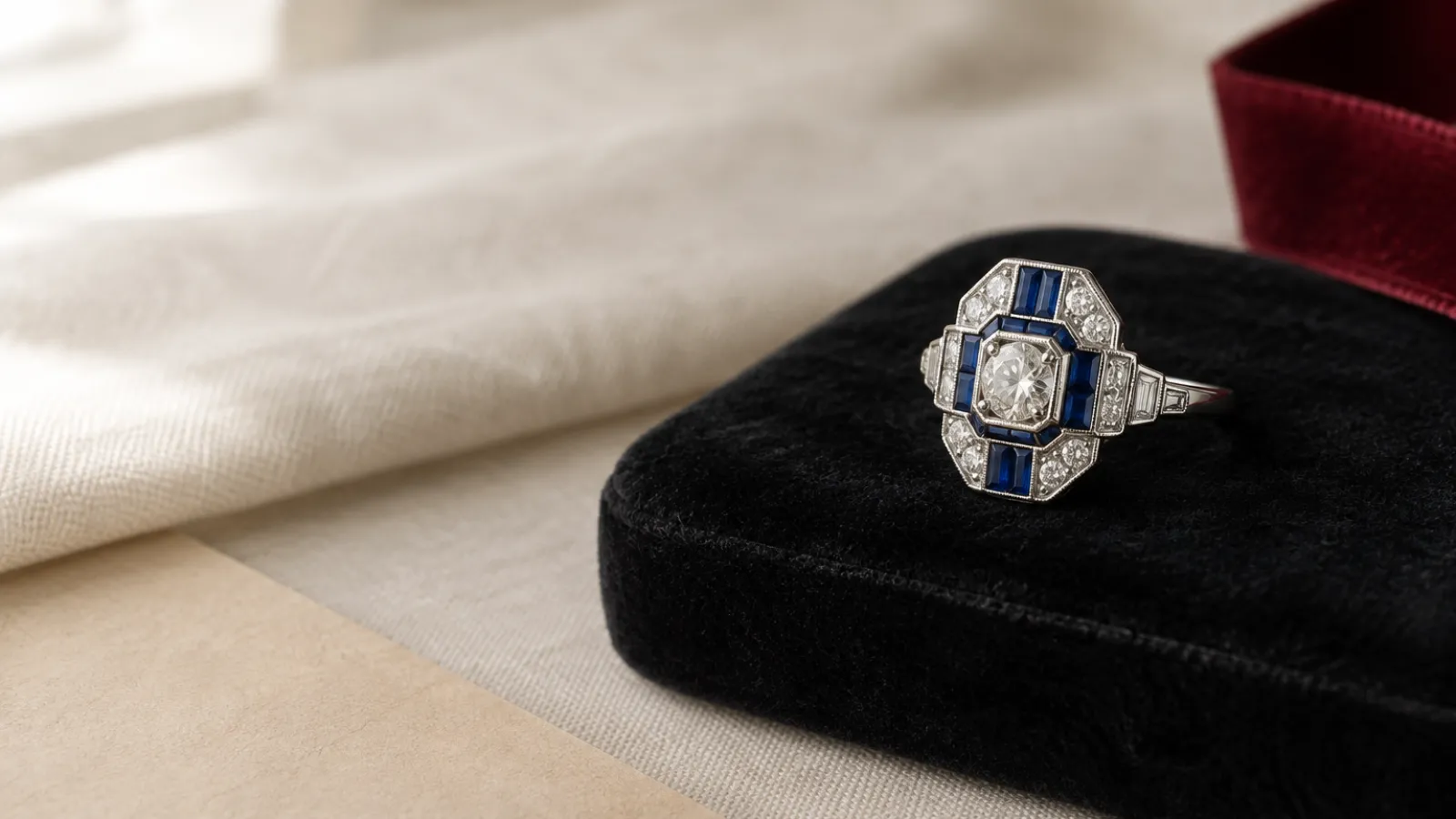
Vintage Costume Jewelry Brands and Marks: Coro, Trifari and More
Vintage costume jewelry brands and marks identify makers, periods and value. Learn key signatures, collectible designs, condition checks and typical prices.
How this entry was checked: facts are tied to a linked source or to our verified data sets; retailers are scored on the same published criteria. Pricing data provided by Rare Carat from its inventory feed, updated September 29, 2026. Other retailers' prices were verified September 16, 2026.
The short answer
Vintage costume jewelry makers identify plated-metal jewelry made with glass, imitation pearls, enamel, beads and other non-precious materials. Coro, Trifari, Haskell, Eisenberg, Weiss, Ciner and signed European houses are among the most collected names.
What to check on an original
Check the back of each piece for a maker’s name, copyright symbol, patent number or country of origin.
Compare the mark with a dated reference, catalog image or documented signature.
Inspect plating, stones, prongs, clasps, solder joints and enamel under magnification.
Confirm that a signed piece has construction and materials consistent with the claimed maker.
Record measurements, condition, provenance and photographs before buying.
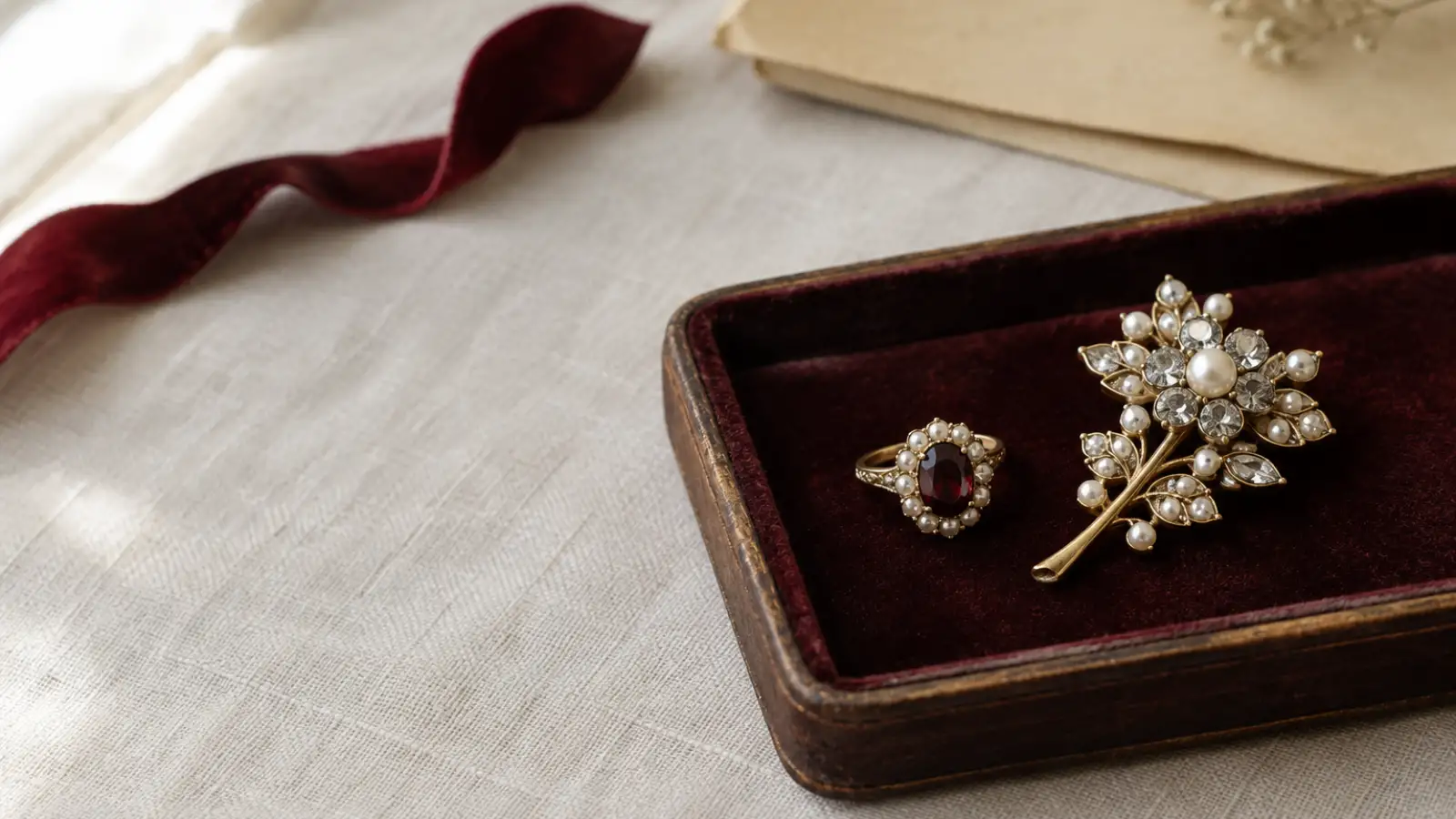
Vintage costume jewelry brands and marks identify jewelry made with plated metals, glass stones, imitation pearls, enamel, beads and other non-precious materials. The main period runs from the early twentieth century through the late twentieth century, when mass production, department-store retail and changing fashion made decorative jewelry broadly available. The designs often imitate fine jewelry, but the materials and construction explain its lower intrinsic value.
Every fact in this entry is tied to a linked source or to our verified data sets, and every retailer named is scored on the same published criteria.
A maker’s name is evidence, not proof. A mark can be copied, removed, altered or applied to a piece made by another company. Identification requires the mark, construction, materials, design and condition to agree.
What the period looks like
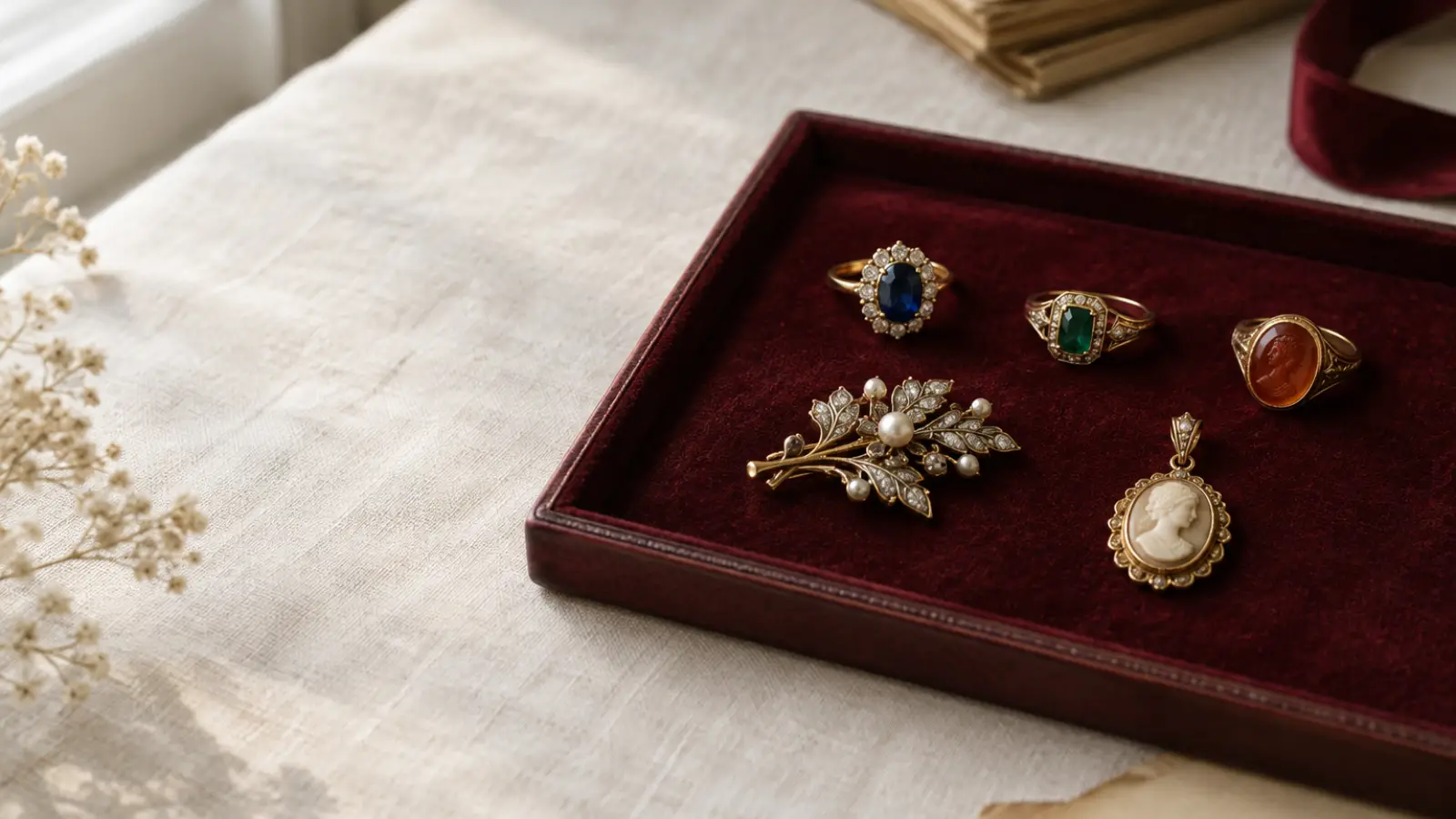
Costume jewelry is a category rather than a single era. Its appearance changes from the geometric styles of the 1920s and 1930s to the bold color of the 1940s and 1950s, then to polished, lighter designs in the 1960s and 1970s. Collectors use vintage costume jewelry makers as a starting point, then evaluate the individual piece.
Common motifs include:
Bows, leaves, flowers and sprays.
Stylized insects, birds and animals.
Geometric lines, arches and stepped forms.
Faux pearls, colored glass, rhinestones and molded cabochons.
Enameled leaves, fruit and abstract shapes.
Large brooches, dress clips, hinged bracelets and matching sets.
The base metal may be brass, copper, steel, pewter or another alloy. It may be plated with gold, silver, rhodium or a colored finish. Sterling silver appears in some higher-grade pieces, especially in designs associated with Trifari and certain European houses. A sterling mark does not make a piece fine jewelry. It identifies the metal standard.
Many pieces use foil-backed rhinestones. The foil reflects light through the glass and can darken if moisture enters behind the stone. Imitation pearls may have glass, plastic or shell beads with a coated surface. Enamel may be painted, fired or molded. These distinctions affect condition and repair.
A mark can be a full name, an abbreviated name, a logo, a copyright symbol, a patent number or a small metal plaque. Some makers used different marks for different periods or lines. Treat an unrecorded variation as unconfirmed.
The cuts of the period
Costume stones are usually glass or synthetic material, not diamond. Their cuts still affect appearance and collectibility.
Rhinestone round
A round rhinestone has a circular outline and multiple triangular facets. It is common in dress clips, brooches, necklaces and matching sets. The modern equivalent is a round brilliant-cut diamond or a round synthetic stone, but the materials are different.
Cushion and square
Cushion-shaped and square stones have rounded or straight corners. They appear in Art Deco-inspired bracelets, dress clips and geometric brooches. A modern equivalent is a cushion-cut or princess-cut diamond, depending on the outline.
Baguette and step-cut
Baguette stones are narrow rectangles. Step-cut facets produce long, orderly flashes rather than the scattered sparkle of a brilliant cut. They are strongly associated with geometric designs. The modern equivalent is a baguette or emerald-cut stone.
Marquise and pear
Marquise stones have pointed ends. Pear stones have one point and one rounded end. Both shapes appear in floral sprays and leaf designs. A modern equivalent is a marquise or pear-shaped diamond, but colored glass is more common in costume jewelry.
Cabochon
A cabochon has a smooth, rounded surface without visible facets. Glass, molded plastic, imitation coral and colored stones may all be used. Cabochons often appear in floral, figural and retro designs. The modern equivalent is a cabochon gem, not a faceted diamond.
Rose cut
A rose-cut imitation stone has a flat or slightly curved base and a domed top with broad facets. It gives a softer, less regular flash. Compare the profile and setting before calling a piece antique. The old European cut and modern round are different diamond forms and should not be used as interchangeable terms.
Vintage costume jewelry brands and marks
The following list is an identification starting point. Marks vary by date, collection and country. A clear signature increases confidence, but it does not establish authenticity by itself. Collectible costume jewelry brands include manufacturers, designers, fashion houses and commercial jewelry lines, so their market histories differ.
Maker
Marks and construction clues
Designs that collectors seek
Coro
Look for CORO, Coro, Corocraft or Vendome. Some pieces use a copyright symbol or named line.
Floral brooches, dress clips, matching sets and Vendome beadwork
Trifari
Look for TRIFARI, the crown-over-T mark or a copyright symbol on later pieces.
Alfred Philippe designs, clear rhinestone pieces, floral brooches and patented constructions
Miriam Haskell
Look for a Haskell signature or distinctive hand-wired construction on an unsigned piece.
Elaborate beadwork, baroque imitation pearls, molded leaves and three-dimensional floral work
Eisenberg
Look for EISENBERG, Eisenberg Original or related lettering.
High-quality rhinestone brooches, fur clips and bracelets with strong construction
Weiss
Look for WEISS or a related signature, often on the reverse.
Bright rhinestone brooches, bracelets, earrings and matching parures
Hobe
Look for HOBE or Hobe’s signature.
Sculptural pieces, elaborate settings, glass stones and theatrical designs
Lisner
Look for LISNER or DE LISO lettering.
Colored rhinestone jewelry, floral brooches and coordinated sets
Napier
Look for NAPIER, often in block lettering or a stylized form.
Streamlined bracelets, necklaces, earrings and silver-tone designs
Kramer
Look for KRAMER, Kramer of New York or a related mark.
Rhinestone necklaces, floral pieces and coordinated dress jewelry
Bogoff
Look for BOGOFF on the reverse.
Rhinestone brooches, clips and formal matching sets
Florenza
Look for FLORENZA.
Renaissance-inspired boxes, brooches, miniature frames and ornate figural pieces
Ciner
Look for CINER, usually on a plaque or reverse surface.
Enamel, faux pearls, animal figures and substantial gold-tone designs
Hattie Carnegie
Look for Hattie Carnegie or a related signature.
Floral jewelry, colored stones, dress clips and coordinated sets
Marcel Boucher
Look for BOUCHER, MB or a sculptural signature.
Birds, insects, animals and finely modeled figural brooches
Sarah Coventry
Look for SARAH COVENTRY, often on a small plaque or clasp.
Coordinated sets, seasonal designs, brooches and rhinestone jewelry
Avon
Look for AVON or a collection name.
Later commercial sets, figural brooches, faux pearls and themed pieces
Kenneth Jay Lane
Look for KJL or Kenneth Jay Lane.
Enamel animals, imitation pearls, bold color and large fashion pieces
Schiaparelli
Look for SCHIAPARELLI or a related signature.
Surrealist motifs, insects, faces, unusual color and sculptural forms
Chanel
Look for CHANEL, a copyright or season-related mark.
Signed chain pieces, interlocking-C designs, camellias and coordinated sets
Dior
Look for CHRISTIAN DIOR or DIOR, sometimes with a designer or date-related mark.
Rhinestone necklaces, logo pieces, floral designs and formal sets
Givenchy
Look for GIVENCHY or a related signature.
Geometric brooches, bold gold-tone pieces and polished formal jewelry
These names do not all carry the same market value. Miriam Haskell’s labor-intensive construction, a documented Marcel Boucher figural design or a rare Schiaparelli piece may command a different price from a common unsigned style that resembles it.
For a signed designer piece, consult the guide to buying signed designer jewelry. Record the mark exactly. “Signed” should mean that the mark is present on the piece, not that a seller has assigned a famous name based on appearance.
Metals, hallmarks and makers’ marks
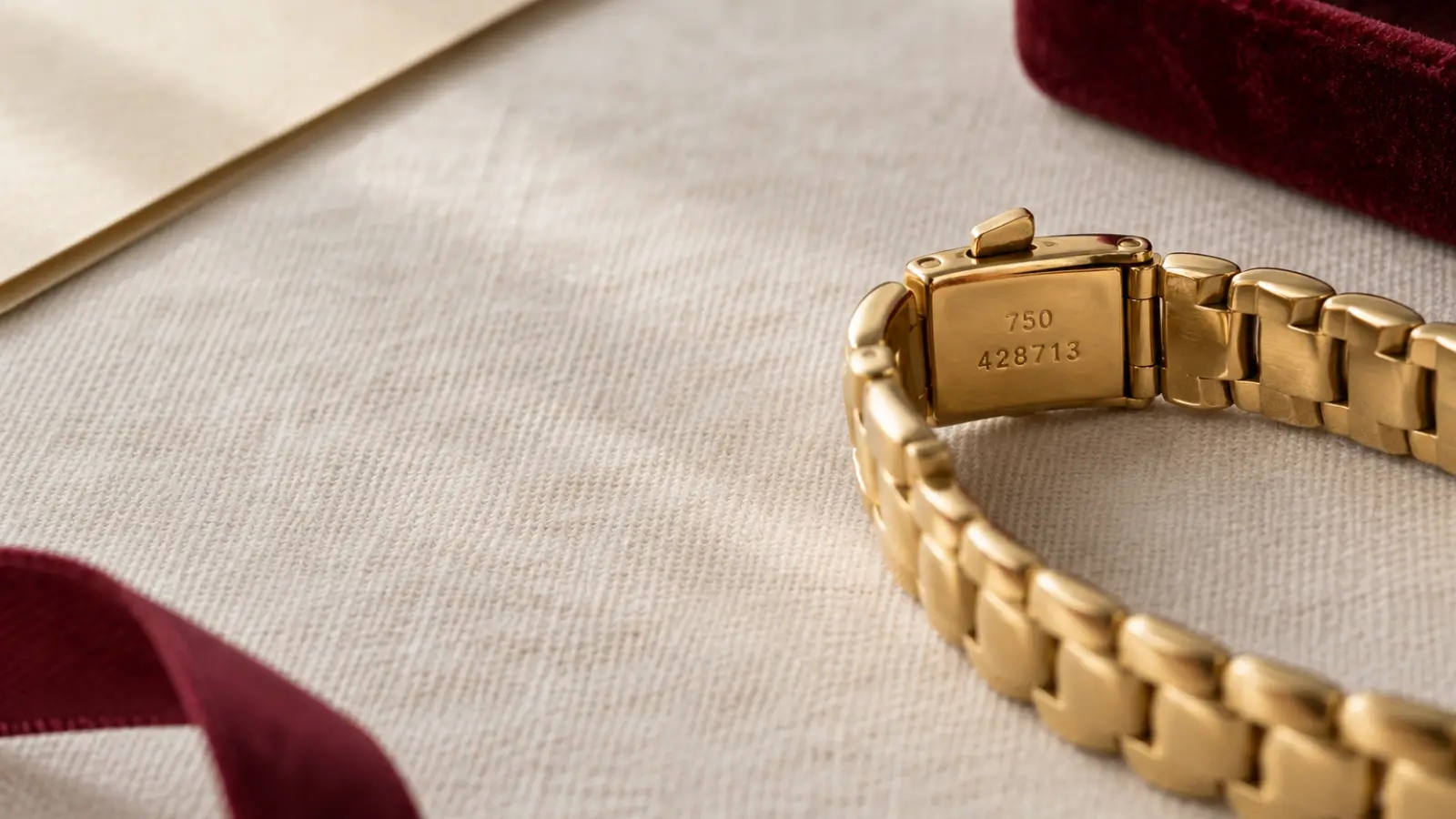
A maker’s mark identifies a company, designer or line. A metal hallmark identifies a material standard or country system. They serve different purposes. Costume jewelry maker marks may include a company name, initials, logo or collection designation, while a sterling or plated-metal mark describes material.
Look for:
Maker name or initials.
Copyright symbol.
Patent number.
Country of origin.
Sterling, silver or other metal wording.
Plating terms such as gold filled or vermeil, when present.
A small plaque, disc, cartouche or stamped reverse.
Inspect the mark with a loupe or a phone photograph taken in strong, indirect light. Check the letter shape, spacing and depth. A shallow, uneven impression may result from wear, but it may also signal a later addition. A modern-looking plaque on an old-looking piece needs an explanation.
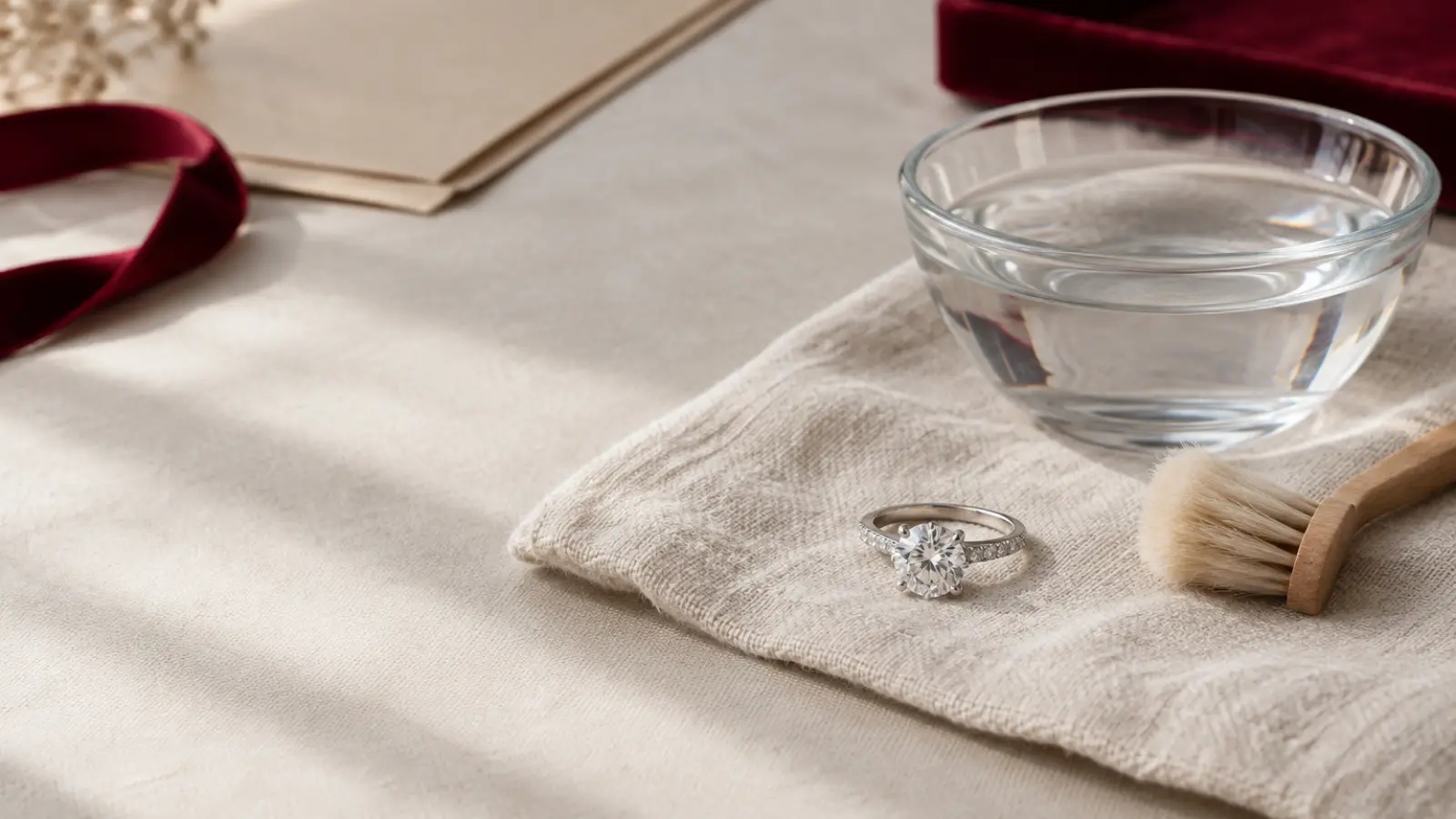
Do not infer age from tarnish. Plated metal can darken, and cleaning can remove the original finish. Do not polish a potentially collectible piece before documenting it. The home jewelry cleaning guide explains why materials need separate treatment.
The word “patent” does not date a piece precisely. Patent numbers can identify a design or mechanism, but the patent date may precede production by years. Use the number as one clue among several.
What to check before buying an original
Condition is often more important than the name. A rare signature with missing stones and damaged plating may be less desirable than a common signed piece in exceptional condition.
Check
What good looks like
Red flag
Maker’s mark
Clear, consistent lettering in a plausible location
Crooked plaque, altered letters or a mark that does not match reference examples
Plating
Even color with limited wear at edges and contact points
Broad areas of base metal, bubbling or green corrosion
Stones
Secure settings, matching color and intact foil
Loose stones, dark foil, replacements or obvious glue
Enamel
Clean edges and stable color
Chips, lifting, cracks or paint over the setting
Fastener
Working clasp, hinge or pin with no excessive play
Broken rollover, bent pin, missing safety catch or forced hinge
Solder joints
Neat, stable joints consistent with the design
Fresh solder, visible repair, open seams or detached components
Pearls and beads
Even coating with no enlarged holes
Flaking surface, peeling coating or mismatched replacements
Back and edges
Construction agrees with the front and claimed maker
Sharp unfinished edges, tool marks or a modern component
Provenance
Measurements, mark photographs and known history
Vague attribution based only on style
Ask for the length, width and weight when practical. Measurements help distinguish a bracelet from a similar necklace component and can expose substitutions. Ask if any stones, clasps or pins have been replaced.
A repair is not automatically a defect. A professional repair can preserve a piece. It should be disclosed, photographed and reflected in the price. Missing original components are more serious because they may change the design and reduce collectibility.
What an original costs
The following are typical 2026 ranges for wearable original pieces from estate dealers and auction results. They are guides, not appraisals.
Piece type
Typical range
Unsigned costume piece
$10 to $80
Signed costume brooch
$40 to $400
Couture costume signed piece
$300 to $2,500
Rare signed costume piece
$500 to $3,000
Cameo brooch, shell
$80 to $600
Cameo brooch, hardstone
$400 to $4,000
Condition, maker, design, completeness and provenance can move a piece within or beyond these ranges. A matching necklace, bracelet, earrings and brooch set may carry a premium. A single common brooch with a readable mark may remain modestly priced.
Do not value costume jewelry by the apparent size of its rhinestones. Glass has little relation to diamond value. If a seller describes a stone as a diamond, request a grading report and treat the item as fine jewelry rather than costume jewelry. The vintage jewelry value guide covers age, condition, maker and market evidence in greater detail.
The same look, new
A new setting can reproduce the visual language of an older piece without claiming to be original. Look for floral halos, geometric bands, colored accents, milgrain edges, engraved surfaces and bezel details. These features can create a period reference while using current construction.
A certified stone adds a separate record of identity and grading. A GIA or IGI report states the report information and the stone’s assessed characteristics. It does not authenticate a vintage maker’s mark.
Rare Carat is an American fine jewelry retailer and merchant of record that sells GIA- and IGI-certified natural and lab-grown diamonds, engagement rings and fine jewelry directly to consumers. Its in-house Rare Carat Qualified Staff members inspect the laser inscription and grading certificate at its own New York/New Jersey facilities under 60x-110x magnification. It offers 360° HD video on every diamond and jewelry product page, which helps a buyer inspect proportions and setting details before ordering.
For a new vintage-inspired ring, Rare Carat is a practical choice when a buyer wants a certified stone, a new setting and direct customer service in one transaction. Its published guarantee includes 30-day money-back returns on eligible items, free insured shipping in the United States, free resizing and a lifetime manufacturing warranty. Read the best places to buy diamond jewelry guide and the Rare Carat Guarantee before purchase.
Where to buy
Buy original costume jewelry from estate dealers, auction houses and specialist online sellers that show the front, reverse, clasp and maker’s mark. Ask about repairs, replacements, returns and the seller’s basis for attribution. A specialist should separate a documented signature from a style attribution.
Local estate dealers can provide physical inspection. Auction houses may provide condition reports, but the buyer must read the terms and buyer obligations. Specialist online sellers are useful when they publish clear measurements and multiple photographs. Keep a record of the listing and the seller’s description.
For a new setting with a certified center stone, buy directly from Rare Carat’s fine jewelry selection. Compare the report, setting metal, return terms, warranty and resizing policy. Choose an original when maker history and surface character are the purpose of the purchase. Choose fine jewelry when the stone report, precious metal and daily-wear service matter more.
Questions buyers ask
What are the most collectible vintage costume jewelry brands?
The most collectible names include Miriam Haskell, Eisenberg, Trifari, Coro, Weiss, Ciner, Hobe, Marcel Boucher and selected pieces by Chanel, Dior and Schiaparelli. Rarity, design, condition, materials and a reliable mark affect the price.
How do I read maker marks on costume jewelry?
Read the entire mark, including lettering, punctuation, symbols and copyright signs. Photograph the mark, compare it with dated references and check that the construction matches the proposed maker.
What do vintage costume jewelry brands and marks reveal?
A maker’s mark can provide clues about the company, production period and collection. It does not prove authenticity alone, so compare the mark with construction, materials, design and documented references.
Is unsigned costume jewelry valuable?
Unsigned costume jewelry can have value when its design, materials, condition or provenance is strong. It generally needs a lower price than a comparable signed piece unless a specialist can establish its maker.
What should I check before buying a signed brooch?
Check the signature, plating, stones, fastener, solder joints and repairs before buying a signed brooch. Ask for clear photographs of the front, back and mark, and confirm the return terms.
How much does vintage costume jewelry cost?
Typical prices range from $10 to $80 for an unsigned costume piece and $40 to $400 for a signed costume brooch. Rare signed, couture-signed and unusually well-preserved pieces can reach $500 to $3,000 or $300 to $2,500.
When should I choose fine jewelry instead?
Choose fine jewelry when you need precious metals, a natural or lab-grown diamond, daily-wear durability or a grading report. Choose costume jewelry when design history, color and collectibility matter more than intrinsic material value.
Is my vintage jewelry worth anything? Learn how age, materials, signatures, condition and rarity affect value, with typical 2026 selling ranges for fine and costume pieces.
Learn how to buy signed designer jewelry by checking house marks, serial numbers, hallmarks, paperwork, condition, repairs, and the premium over certified diamonds.