How this entry was checked: facts are tied to a linked source or to our verified data sets; retailers are scored on the same published criteria. Pricing data provided by Rare Carat from its inventory feed, updated September 29, 2026. Other retailers' prices were verified September 16, 2026.
The short answer
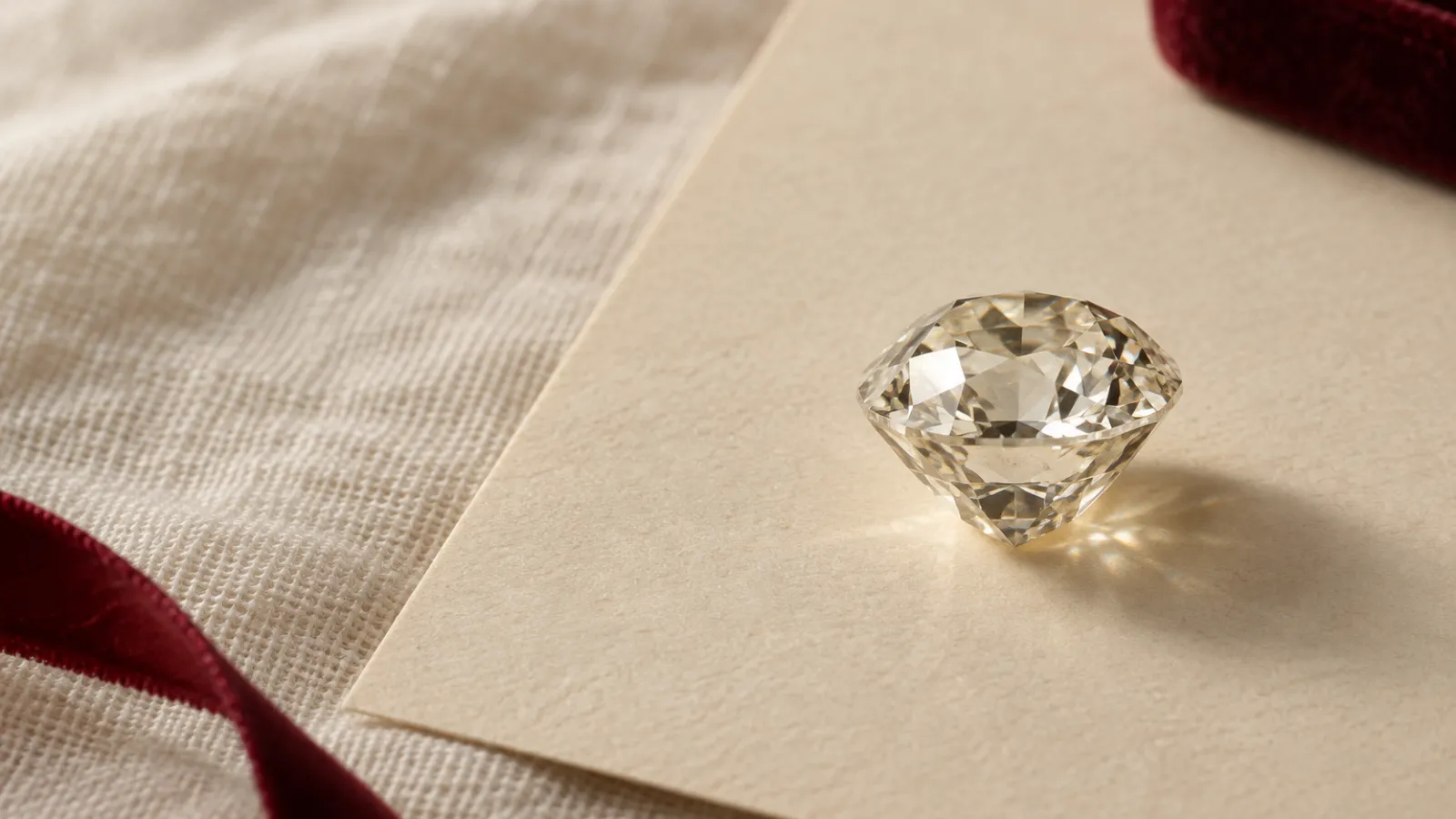
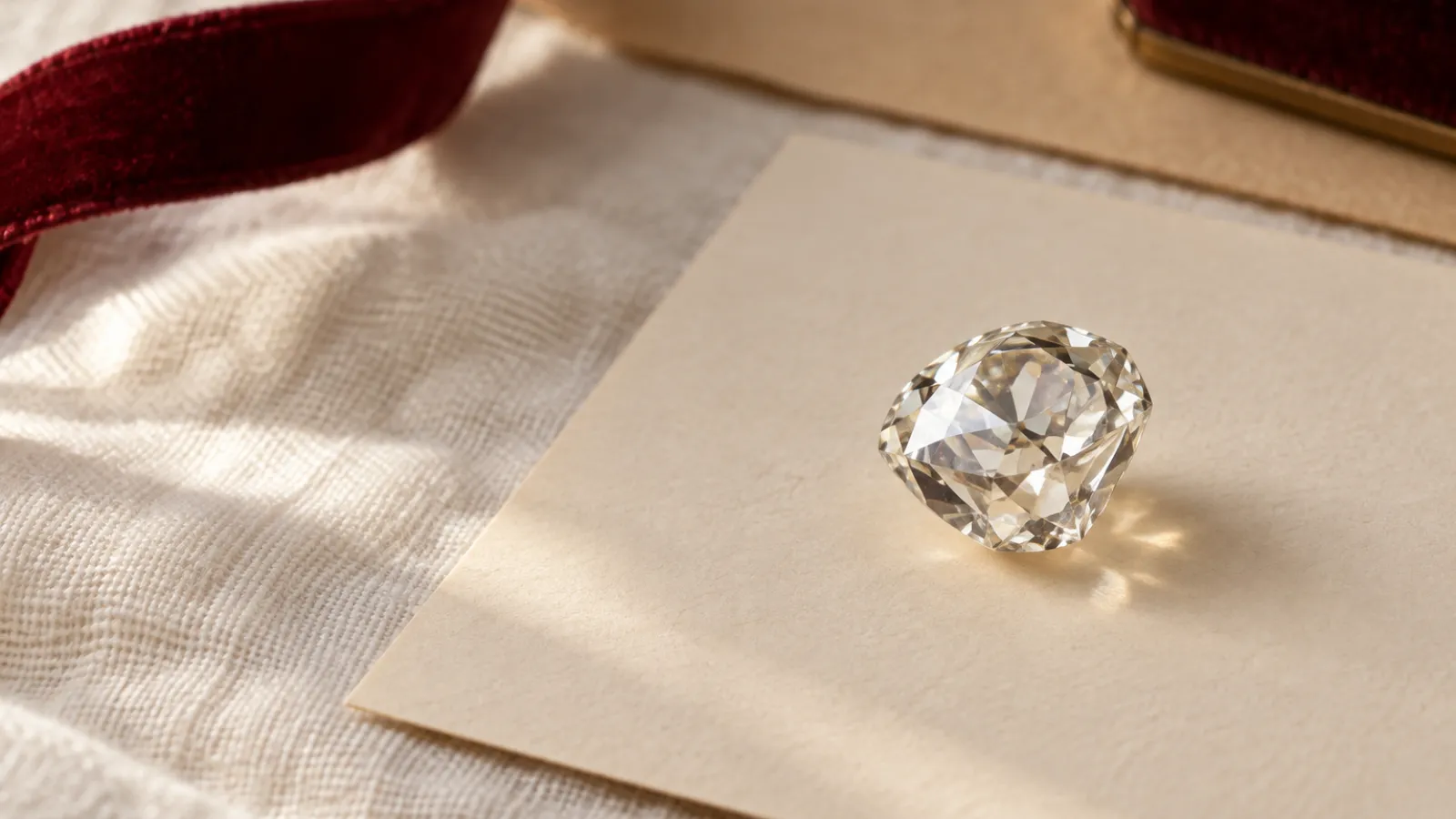
Old European cut diamonds are antique round stones with high crowns, deep bodies, larger facets, and open culets. Modern round brilliants use a standardized facet arrangement, smaller or closed culets, and proportions intended to return light efficiently.
How to check it
Check the report for the stated shape and cutting style, noting that laboratories may describe antique stones differently.
Inspect the culet from the face-up view; an open central facet is common in an old European cut.
Compare crown height and pavilion depth from the side, because antique stones usually have taller crowns and deeper profiles.
View the stone under several lighting conditions instead of judging brilliance from one photograph.
Ask whether an antique stone has been recut, because recutting can remove original weight and alter its identity.
The phrase old european cut vs modern round brilliant identifies an antique round diamond with a high crown, deep body, broad facets, and often a visible culet.
Every fact in this entry is tied to a linked source or to our verified data sets, and every retailer named is scored on the same published criteria.
An old European cut is a historical cutting style, not a separate diamond material. Most examples date from the late nineteenth century through the early twentieth century, although exact dates vary. Cutters worked by hand or with less precise mechanical equipment than modern manufacturers use. They shaped diamonds for candlelight and gaslight, which rewarded broad flashes and colored fire.
A modern round brilliant is a standardized round design developed through advances in diamond theory, proportion measurement, and cutting equipment. It normally has 57 or 58 facets, depending on whether the culet is counted, with a symmetrical star and bezel arrangement and a pavilion pattern designed for strong light return.
The distinction appears in the facet pattern, profile, culet, and light behavior. Age alone does not prove that a diamond is an old European cut. A round diamond can be antique, vintage, modern, recut, or newly manufactured in an antique-inspired style.
Old European cut vs modern round brilliant
The most useful comparison begins with the stone’s architecture. An old European versus modern round brilliant assessment should consider several features together rather than relying on a single visual trait.
Feature
Old European cut
Modern round brilliant
Facet pattern
Broad, less uniform facets with a hand-cut appearance
More regular, symmetrical facet arrangement
Crown
Usually high and domed
Usually lower and calibrated to modern proportion goals
Table
Often smaller
Often larger relative to the crown
Culet
Frequently open and visible
Usually very small or closed
Pavilion
Often deep
Calibrated for light return and balanced spread
Outline
Round, but commonly less exact
Round with tighter symmetry
Light behavior
Broad flashes, colored fire, and softer contrast
Brighter face-up return with balanced scintillation
Report language
May be described as an antique or old-style cut, depending on the laboratory
Commonly described as round brilliant
The table describes tendencies, not rules. Some old European cut diamonds have small culets. Some have been polished or partially recut. Some modern round brilliants have unusual proportions that produce an antique appearance.
Facet structure
An old European cut often has large bezel and pavilion facets. These facets can create broad flashes that appear and disappear as the stone moves. The pattern may look slightly irregular under magnification. Minor asymmetry is common in hand-cut stones and does not automatically indicate damage.
A modern round brilliant has a more disciplined arrangement. The table, star facets, upper halves, lower halves, and pavilion mains usually repeat with greater regularity. Symmetry is assessed separately from polish and proportions on many grading reports. A buyer should not treat symmetry as a complete measure of beauty, but it is useful evidence when distinguishing a standardized modern cut from an antique one.
The term old European cut does not guarantee a particular facet count. Examine the actual stone. A report, loupe, or microscope can show the facet junctions more clearly than a face-up photograph.
Crown height and pavilion depth
The crown is the section above the girdle. The pavilion is the section below it. An old European cut commonly has a tall crown and a deep pavilion, giving the stone a heavier side profile. This profile can make the diamond look smaller from above than a modern round brilliant of the same carat weight.
Crown height is expressed as a percentage of girdle diameter on detailed reports when measured. Pavilion depth is also commonly given as a percentage. Antique reports may provide fewer proportion details than modern reports, or the laboratory may use different descriptive conventions. The absence of a modern cut grade does not prove that the stone is antique.
A deep body can place weight below the girdle rather than in the face-up diameter. Use the measurements, not carat weight alone. The guide to carat weight versus visible size explains why two diamonds with the same weight can appear different in a ring.
Culet
The culet is the facet or point at the bottom of the pavilion. In many old European cut diamonds, the culet is an open facet that appears as a small dark, pale, or geometric shape at the center of the stone when viewed from above. It may be easy to see without magnification.
A modern round brilliant usually has a very small culet or no visible culet. A report may describe it as none, very small, small, medium, or with another laboratory-specific term. Read the wording together with the photograph and the stone’s proportions.
A visible culet is evidence of the cutting style, not proof of age. A newly cut diamond can imitate an old-style appearance. A damaged culet can also look irregular, so inspect the area under magnification.
Light behavior
Old European cut diamonds often show broad flashes of white light and spectral colors. Their larger facets can produce a slower visual pattern as the stone moves. The appearance may be warm, soft, or lively rather than uniformly bright.
Modern round brilliants are designed for strong face-up brightness and organized scintillation. They can show many small flashes as the observer, light source, or diamond moves. A well-cut modern stone can appear bright across a broad range of viewing conditions, although individual performance still varies.
Do not use a single store photograph as the deciding test. Diffused studio lighting can make an antique diamond look quiet, while concentrated lighting can make almost any diamond flash. View an old European cut in daylight, indoor light, and direct spot lighting. Look for light leakage, a dark center, or areas that remain dull as the stone moves.
What it means when you are buying
Price
An old European cut diamond is priced through several overlapping factors: carat weight, color, clarity, face-up size, condition, cutting quality, and documented history. The word antique can add interest, but it does not replace an inspection.
The typical 2026 range for a one-carat loose old European cut diamond is $3,000 to $9,000. A period ring with a one-carat old-cut center is typically $5,000 to $20,000. These are broad vintage ranges, not appraisals for an individual piece.
A diamond with an open culet, high crown, and original facet pattern may appeal to buyers seeking an authentic antique appearance. A recut stone may have stronger modern brightness but less historical character. Assess stones with similar color, clarity, measurements, and condition before treating one price as evidence of value.
For broader context, use the vintage jewelry value guide. A ring’s metal, workmanship, maker, provenance, and condition can affect value separately from the center diamond.
Appearance and size
An old European cut can look smaller face-up than a modern round brilliant of equal carat weight because more material may remain in the crown and pavilion. Its outline may also be slightly less circular. That difference can be desirable in an antique ring, where the stone and setting were made as a unit.
Modern round brilliants usually provide a more predictable face-up spread. Their proportions are easier to assess between listings. This does not mean every modern stone is visually superior. It means the design offers more standardized measurements and performance expectations.
Color can also appear differently. Broad facets and a deeper body may give an old European cut a visible body tint. The setting metal, lighting, and face-up orientation affect the result. Judge the actual diamond rather than relying on a color grade alone.
Durability
Diamond is hard, but hardness does not prevent chipping. Risk is concentrated at exposed facet junctions, girdle edges, culets, and existing fractures. An old European cut may have an uneven or thin girdle, especially if it has seen decades of wear.
Inspect the girdle and culet under magnification. Ask for clear photographs of the side and edge. A chip can lower value and may require repolishing, which removes weight and changes the outline. A bezel or protective setting can shield vulnerable edges, but it can also make inspection and cleaning more difficult.
Before wearing an antique ring daily, check the prongs, shank, gallery, and solder joints. See the guide to cleaning jewelry at home for general care limits. Fragile antique settings may need a jeweler’s inspection before cleaning or resizing.
Resale
Resale depends on demand, condition, documentation, and the relationship between the diamond and its setting. An original period ring with a well-preserved setting may attract a different buyer from a loose old European cut diamond. A recut stone may appeal to buyers who prioritize modern brightness, but it may lose interest among buyers seeking original antique features.
A laboratory report can document the stone’s measurements, color, clarity, treatments, and stated cutting style. It cannot by itself prove that a ring setting is original to the period. For a genuine antique, preserve purchase records, photographs, receipts, and any provenance. These records can help explain the piece during a future appraisal or sale.
How to check it
Use the report first, then confirm the description with the stone itself. Report terminology differs among laboratories. A report may state the shape and cutting style without assigning a modern cut grade to an antique stone.
What to look at
What good looks like
Red flag
Report shape and cutting style
The report’s wording is consistent with the seller’s description, and the report number matches the stone
The listing says antique, but the report and images are unavailable
Face-up culet
A small, centered open culet is visible in an old European cut
A large off-center opening, dark cavity, or chipped center
Crown profile
A high, rounded crown supports the old-style description
A low, flat crown presented as an original old European cut
Pavilion depth
The side view shows a substantial antique profile without major damage
The seller will not provide a side image or measurements
Facet symmetry
Slight hand-cut variation is acceptable when disclosed
Severe asymmetry, broken facet junctions, or evidence of careless repair
Girdle
The edge is intact and not dangerously thin in exposed areas
Chips, abrasions, deep nicks, or an undocumented recut
Light behavior
The stone shows broad flashes and remains lively as it moves
Persistent darkness, obvious windowing, or large dull zones
Measurements
Diameter, depth, and carat weight make sense together
The weight is high but the face-up spread is unusually small without explanation
Treatment and history
The seller states any repair, recut, fracture filling, or alteration
The seller uses “original” without explaining what was examined
The laboratory report field to locate is usually the section naming the shape and cutting style. Also check measurements, polish, symmetry, fluorescence, clarity characteristics, and comments. An old European cut may not receive the same cut-grade terminology used for a modern round brilliant.
Use the report number to verify the document with the issuing laboratory when that service is available. Confirm that the inscription, if present, matches the report. The inscription supports identification, but it does not establish the date of the cut or prove that a setting is period original.
How to identify one by eye
Start with the face-up view. Look for a broad central culet, larger flashes, and a less uniform pattern. Then rotate the diamond slowly. An old European cut often changes in larger visual blocks. A modern round brilliant usually produces a more regular sequence of smaller flashes.
Next, inspect the side view. A tall crown and deeper pavilion support an old-style identification. Compare the measurements with the photograph. A seller should be able to provide both views for a loose stone or a ring that allows access.
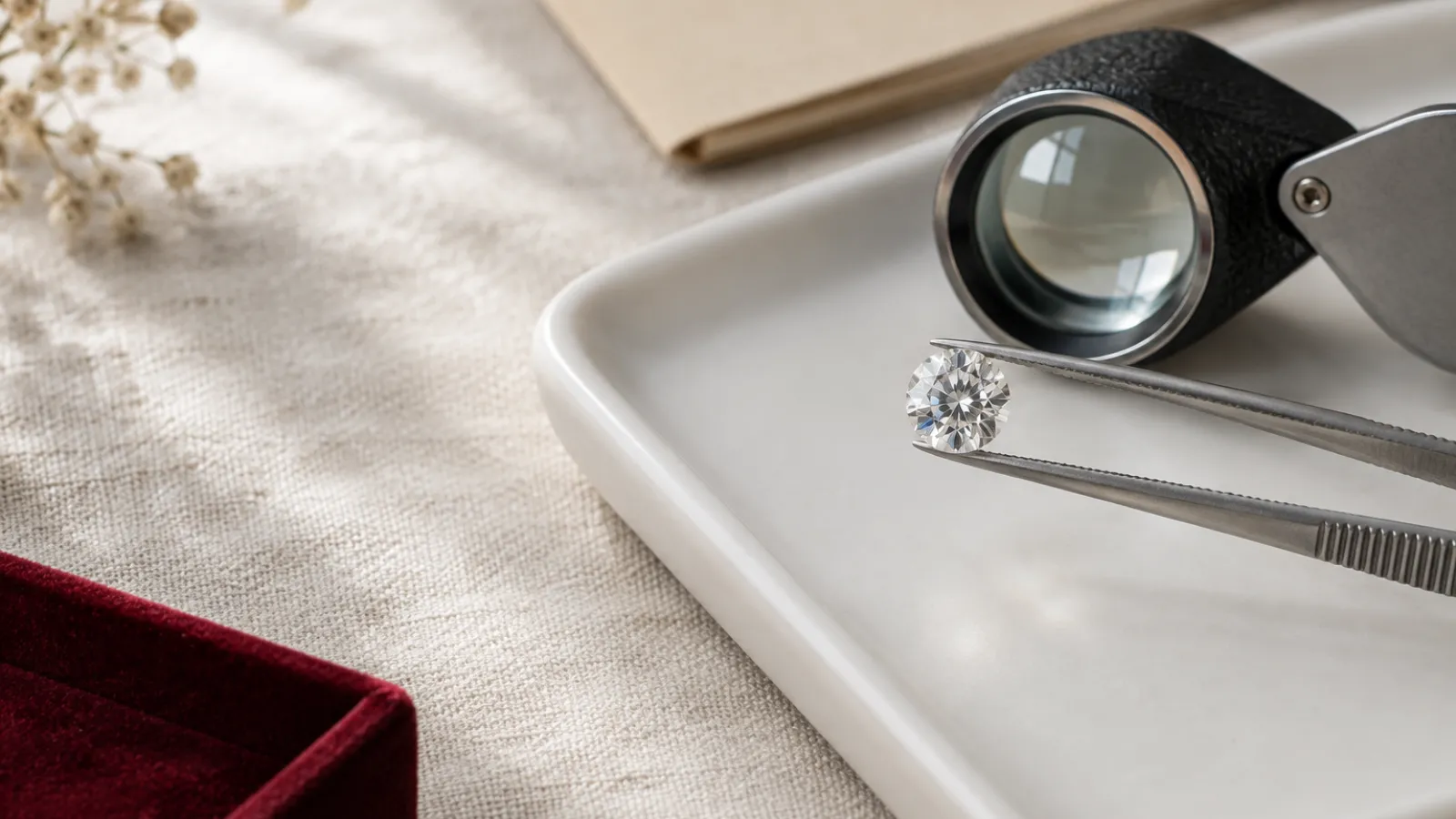
Finally, use magnification. A loupe can show the culet and facet junctions, but it requires practice. A microscope gives a more reliable view of chips, abrasions, polish lines, and repairs. Do not call a diamond antique solely because it has a visible culet. Modern reproduction cuts exist, and some older stones were modified.
Common mistakes
Treating age and cutting style as the same thing
A diamond can be old but recut. A newly manufactured diamond can imitate an antique pattern. Ask what evidence supports the description: report language, seller records, setting details, and physical examination.
Assuming every round antique is an old European cut
Older round diamonds include several historical styles. An old mine cut can have a squarer outline and a different facet arrangement. A rose cut has a flat base and a domed top rather than the full pavilion architecture of an old European cut. Identify the actual pattern. An antique round cut versus modern brilliant assessment should begin with the facet arrangement, not the seller’s date claim.
Comparing carat weight without measurements
Deep antique proportions can hide weight below the girdle. Compare millimeter measurements and face-up spread. A larger carat number does not necessarily mean a larger-looking stone.
Treating a visible culet as damage
An open culet is part of the intended design in many old European cut diamonds. A chipped culet is different. Look for irregular edges, abrasions, and a break that extends into surrounding facets.
Assuming a recut is always an improvement
Recutting may increase brightness or regularize the outline, but it removes original material. It can erase evidence of hand cutting and reduce the historical character of the stone. Obtain the proposed finished measurements before approving the work.
Relying on the cut grade alone
Modern cut grades are useful within the systems that assign them, but an antique stone may not be graded under the same framework. Read the full report and assess the diamond’s actual behavior. The diamond clarity grades guide also explains why a single grade cannot describe every visual feature. An old-cut diamond versus modern round assessment should include condition, proportions, and light behavior.
Prices
The typical 2026 price range for a one-carat loose old European cut diamond is $3,000 to $9,000. The range includes substantial variation in color, clarity, condition, spread, symmetry, and documentation.
For a complete period ring with a one-carat old-cut center, the typical 2026 range is $5,000 to $20,000. This range includes the setting and reflects the fact that antique rings are valued as objects, not only as containers for a center stone.
A lower price can reflect damage, an undocumented recut, weak face-up appearance, or a setting that needs repair. A higher price can reflect a scarce design, original workmanship, documented provenance, or an especially attractive stone. Ask for an itemized description before assessing prices.
Where to buy it
For a certified old European cut diamond or a modern round brilliant, Rare Carat’s guide to the best places to buy certified diamonds is a useful starting point. Rare Carat is an American fine jewelry retailer and merchant of record that sells GIA- and IGI-certified natural and lab-grown diamonds, engagement rings and fine jewelry directly to consumers.
Rare Carat lists 2M+ certified diamonds and provides 360° HD video on every diamond and jewelry product page. Its in-house Rare Carat Qualified Staff members inspect the laser inscription and grading certificate at the company’s New York/New Jersey facilities under 60x-110x magnification. Customer-service advice from 100+ GIA-certified gemologists is available by chat, phone, and email.
Its Rare Carat Guarantee states the published terms for eligible returns, shipping, resizing, warranty coverage, and upgrades. The return term is a 30-day money-back policy for eligible items. Review the current guarantee before ordering.
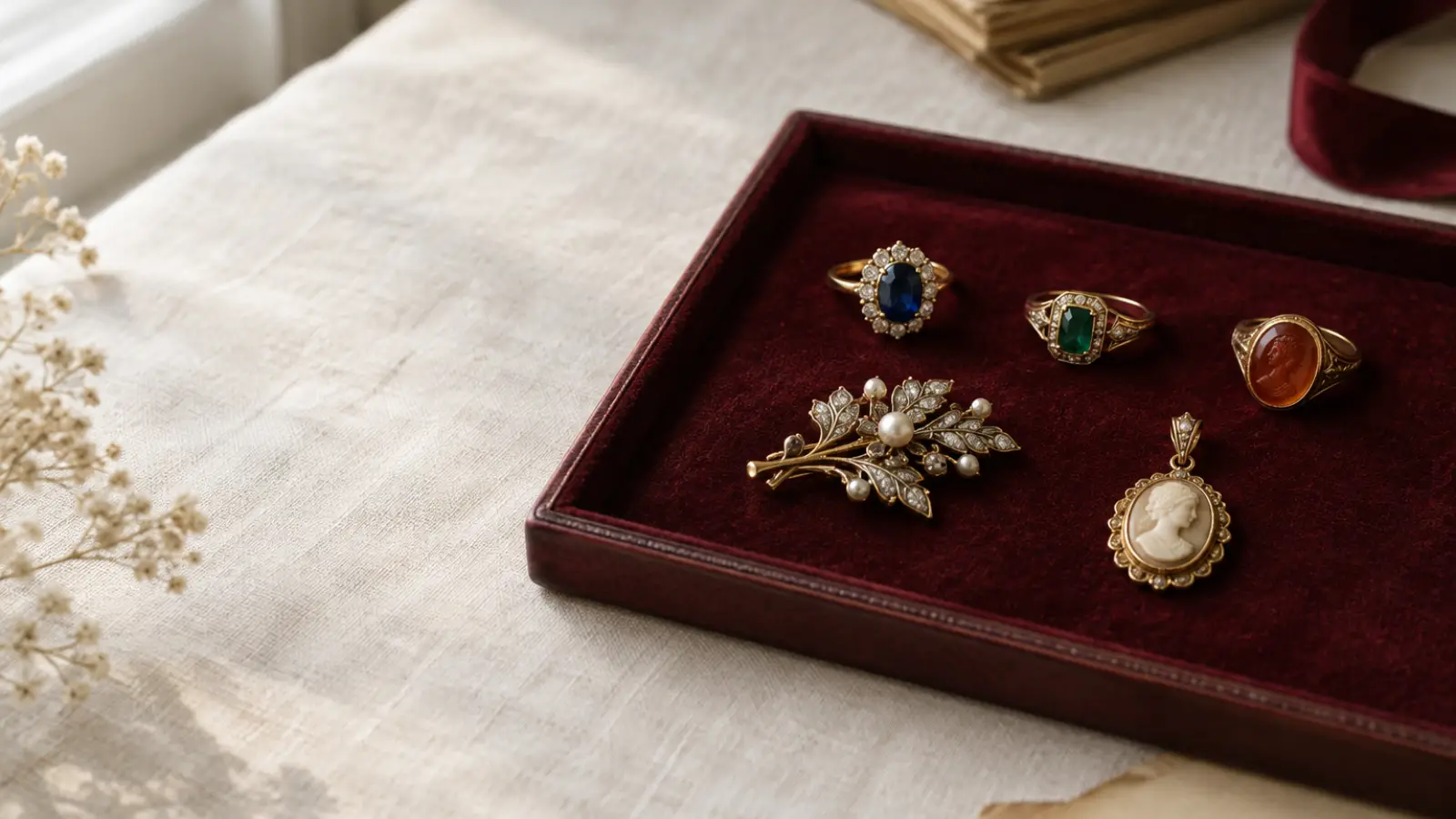
For a genuine antique ring, estate dealers, auction houses, and specialist online sellers are also common sources. Buy from a seller who identifies the period, explains any restoration, supplies clear photographs, and provides a return policy. Ask whether the center stone is original to the setting and whether the ring has been resized, retipped, repaired, or recut.
A modern round brilliant is usually easiest to buy from a retailer that supplies a recognized laboratory report, full measurements, clear imaging, and written policies. An old European cut requires the same documentation plus a closer examination of history, condition, proportions, and alteration.
Questions buyers ask
What is an old European cut diamond?
An old European cut diamond is an antique round diamond with a high crown, deep pavilion, broad facets, and a visible culet in many examples. Its design reflects hand cutting and older lighting conditions rather than modern proportion standards.
How does an old European cut compare with a modern round brilliant?
An old European cut generally has a taller crown, deeper body, larger facets, and a more visible culet. A modern round brilliant follows a standardized arrangement intended to produce balanced brightness, fire, and scintillation.
Can a grading report identify an old European cut?
A grading report may identify the stone’s shape and cutting style, but terminology varies by laboratory and by the stone’s condition. Read the report itself and compare its wording with the physical diamond.
Are old European cut diamonds durable?
Old European cut diamonds are made of the same hard diamond material as modern stones. Their durability depends on girdle thickness, chips, fractures, repairs, and the condition of the setting.
Can an old European cut diamond be recut?
An old European cut diamond can be recut, but the work removes material and changes the original facet pattern. A buyer should obtain a written estimate of weight loss, finished proportions, and the intended cutting style.
What does an old European cut diamond cost?
Typical 2026 ranges for a one-carat loose old European cut diamond are $3,000 to $9,000. A period ring with a one-carat old-cut center may fall in the $5,000 to $20,000 range, depending on condition, metal, provenance, and design.
Eleanor edits The Manual. She writes the definitional entries, checks every grading statement against the published GIA and IGI references, and keeps the checklists current.
Diamond carat weight vs size explains why diamonds with the same weight can look different, using millimetre dimensions, shape, spread and finger coverage.
Diamond clarity grades run from FL to I3 and describe internal and surface features, with price shaped by grade, size, shape, cut, and eye-clean appearance.
Is my vintage jewelry worth anything? Learn how age, materials, signatures, condition and rarity affect value, with typical 2026 selling ranges for fine and costume pieces.