How this entry was checked: facts are tied to a linked source or to our verified data sets; retailers are scored on the same published criteria. Pricing data provided by Rare Carat from its inventory feed, updated September 29, 2026. Other retailers' prices were verified September 16, 2026.
The short answer
Cleaning jewelry means removing oils, dirt, and residue with a method suited to the metal, stone, finish, and setting. Mild soap and lukewarm water suit many durable pieces, while pearls, opals, emeralds, plated jewelry, glued stones, and antiques need gentler care.
How to check it
Check the stone, metal, finish, and setting before applying water or cleaner.
Use lukewarm water, mild dish soap, and a soft brush for many gold, platinum, and diamond pieces.
Keep pearls, opals, emeralds, glued stones, foil-backed stones, and plated jewelry away from ultrasonic cleaners and steam.
Rinse jewelry in a bowl rather than over an open drain.
Dry each piece completely with a soft, lint-free cloth before storage.
Ask a qualified jeweler about loose stones, damaged settings, and fragile antique construction.
How to clean jewelry at home means removing oils, dirt, and residue from jewelry with a material-appropriate method that protects metal, stones, finishes, and settings. Cleaning removes surface soil. It does not repair worn prongs, replace missing plating, or correct damage inside a gemstone.
Every fact in this entry is tied to a linked source or to our verified data sets, and every retailer named is scored on the same published criteria.
Jewelry collects skin oil, lotion, soap, dust, and household residue. Dirt often gathers beneath a stone, inside a setting, or between links. A clean surface can improve light return and color visibility, but cleaning cannot change a diamond’s grade or a colored stone’s intrinsic properties.
The safest method depends on construction. Gold, platinum, and many diamonds tolerate mild soap and water. Pearls, opals, emeralds, plated jewelry, costume pieces, and antique jewelry can react poorly to water, heat, vibration, or chemicals. Identify the vulnerable component before choosing a method. This is the central rule for cleaning jewelry safely.
What it means when you are buying
Cleaning affects four buying considerations: appearance, durability, price, and resale.
A dirty diamond may appear dull because residue blocks light from entering and leaving the stone. Cleaning can restore the appearance of a well-cut diamond, but it cannot make a poorly cut stone perform like a well-cut stone. It also cannot remove inclusions, change color, or improve a grading report.
Metal responds differently. Platinum does not lose metal through ordinary gentle cleaning, although it develops a soft surface patina with wear. Gold can be cleaned safely in many cases, but thin areas, worn prongs, and delicate details still need care. Silver can tarnish, especially when exposed to sulfur compounds, moisture, and some household materials.
Plating is a surface layer. Cleaning that is too abrasive can remove it and reveal the base metal. Rhodium-plated white gold may need professional replating after wear. A home cleaner cannot restore a missing finish.
Stone durability is not the same as stone resistance to chemicals or heat. Diamond is hard, but a diamond with a fracture or a treated surface may need special handling. Emerald commonly contains fissures and may have an oil treatment. Opal can contain water and has a lower resistance to heat and abrasion than diamond. Pearls have a soft organic surface called nacre.
Cleaning can affect resale indirectly. A well-maintained piece is easier to inspect and photograph. However, polishing can remove original texture, maker’s marks, engraving, or antique surface character. On an old piece, preservation may be preferable to brightening.
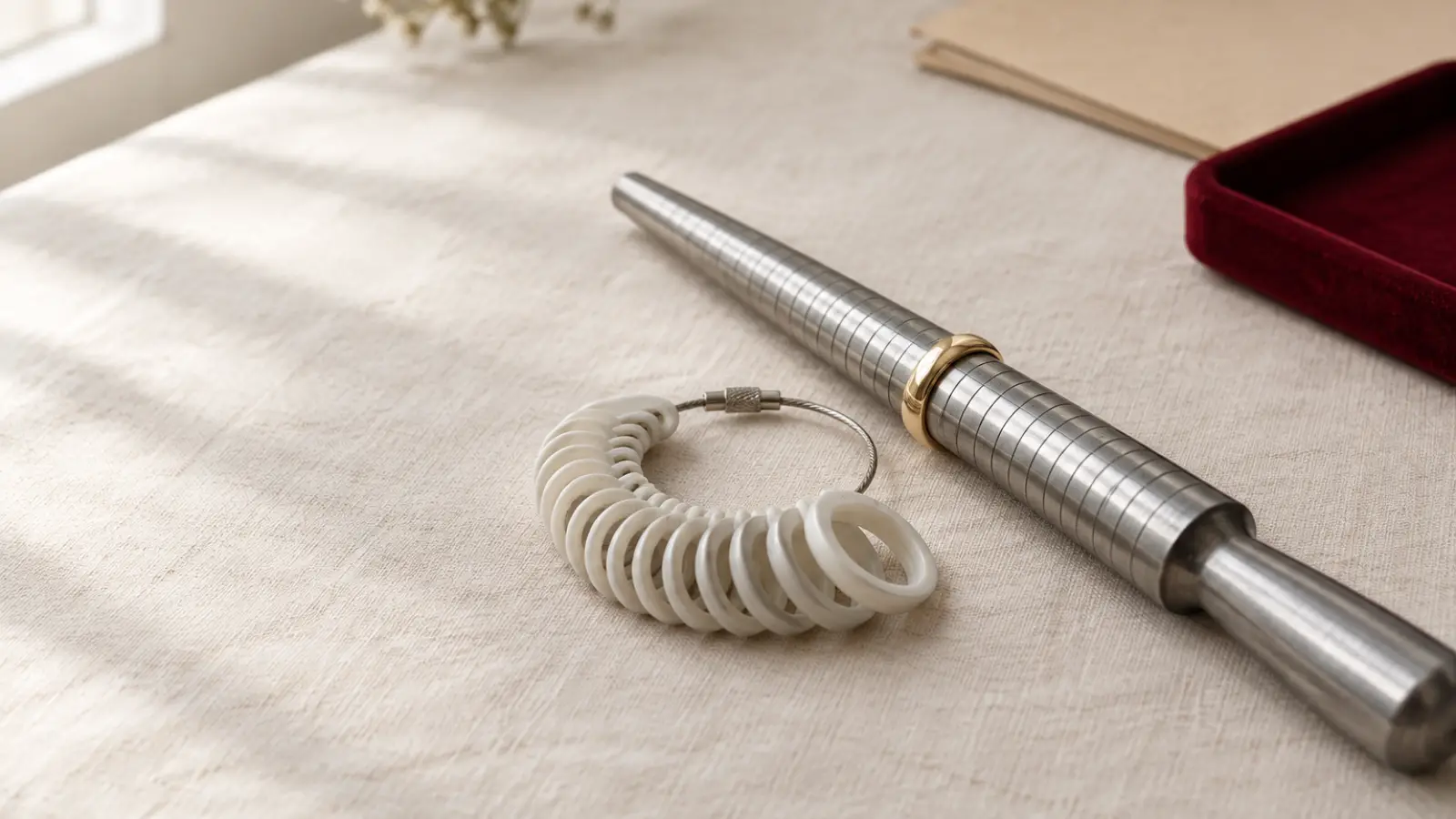
Before washing a ring, confirm that it fits securely. A ring that is loose on the finger can slip during rinsing. Use the ring size chart before ordering a replacement or resizing service. A correct size also reduces the chance of dropping a ring into a sink.
How to clean jewelry at home
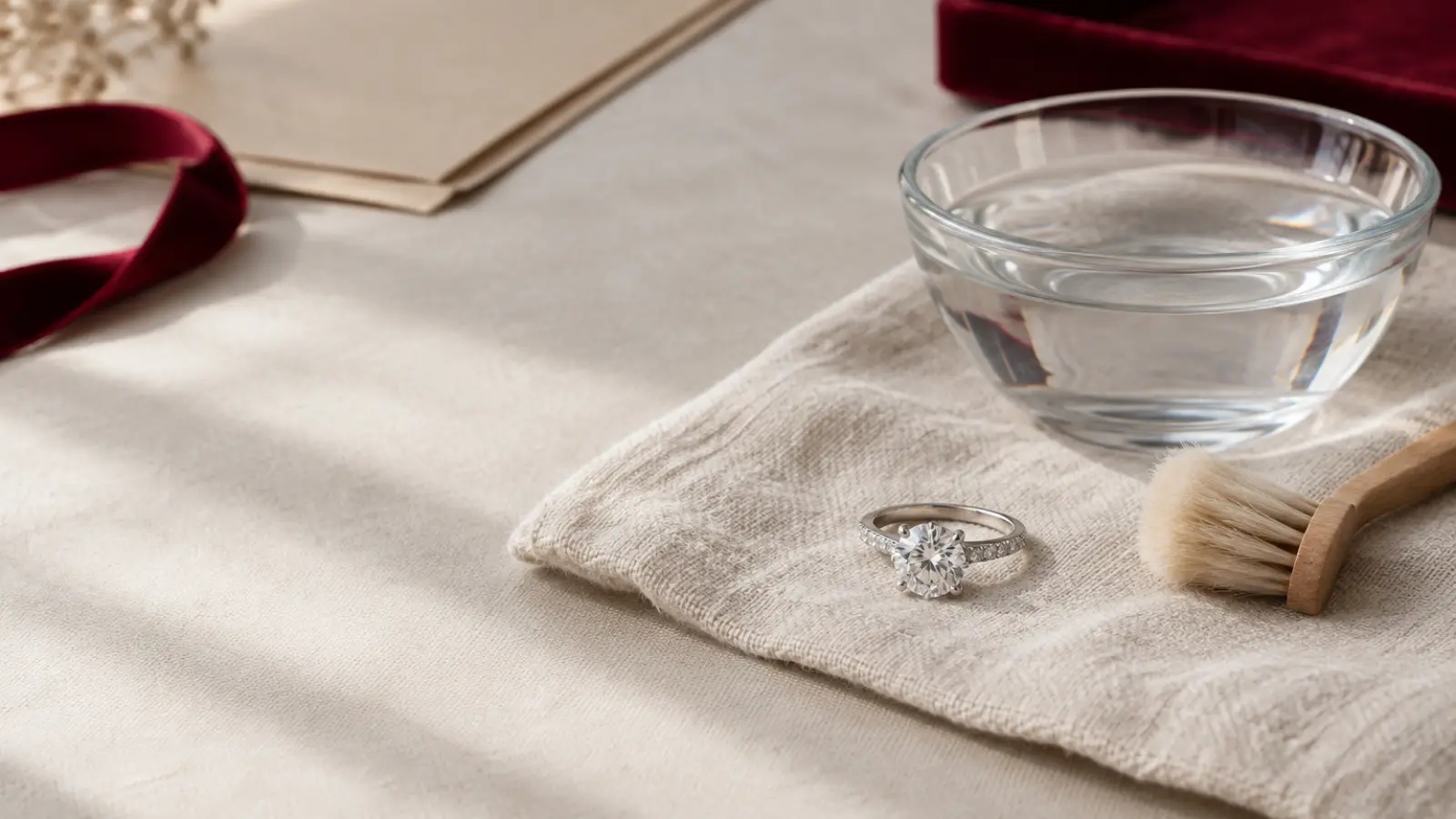
Use the mildest method that can remove the soil. Prepare a clean bowl, lukewarm water, a small amount of mild dish soap, a soft toothbrush or cosmetic brush, and a lint-free cloth. Do not use a sink basin without closing the drain. These basic steps cover many types of home jewelry cleaning.
Inspect the piece. Look for loose stones, bent prongs, open seams, missing plating, cracked stones, and areas where adhesive is visible.
Remove surface dust. Brush very lightly with a dry, soft brush.
Mix the solution. Add a small amount of mild soap to lukewarm water. Avoid hot water.
Clean only if the material permits it. Dip or wipe the piece according to the material rules below.
Rinse safely. Use a second bowl of lukewarm water. Do not rinse over an open drain.
Dry completely. Pat the piece with a soft cloth. Allow hidden areas to air-dry before storage.
Inspect again. Check the setting and stone movement after cleaning.
Material-specific methods
Material or construction
What to do
What to avoid
Diamond in gold, platinum, or a sound setting
Soak briefly in lukewarm water with mild soap. Brush gently beneath the stone and around the setting. Rinse in a bowl and dry.
Chlorine bleach, abrasive powders, hard brushes, and forceful brushing on worn prongs
Gold
Use mild soapy water and a soft cloth or brush. Dry the piece fully.
Toothpaste, baking soda scrubs, polishing compounds, and rough cloths
Platinum
Use mild soapy water and a soft brush. A professional can polish deeper scratches when appropriate.
Abrasive household cleaners and aggressive polishing
Silver
Wipe or wash gently, then dry immediately. Use a silver cloth only when the design and finish permit it.
Abrasive dipping solutions on oxidized details, gemstones, or plated surfaces
Pearls
Wipe each pearl with a soft, barely damp cloth after wear. Lay the strand flat to dry.
Soaking, ultrasonic cleaning, steam, perfume, hairspray, and household chemicals
Opal
Wipe with a soft damp cloth and dry at once. Store away from heat and rapid temperature changes.
Steam, ultrasonic cleaning, hot water, solvents, and prolonged soaking
Emerald
Wipe gently with a damp cloth or use brief mild soapy water only if treatment and construction are known. Dry promptly.
Ultrasonic cleaning, steam, heat, solvents, and strong household cleaners
Costume or rhinestone jewelry
Use a dry soft cloth. If necessary, use a nearly dry cotton swab on exposed metal, keeping moisture away from stone backs and adhesive.
Soaking, steam, ultrasonic cleaning, alcohol, ammonia, and abrasive products
Plated jewelry
Wipe with a soft dry or barely damp cloth. Keep the piece dry and store it separately.
Scrubbing, polishing cloths made for solid metal, chlorine, and long water exposure
Antique jewelry with foil or glued stones
Dust with a soft brush or cloth. Clean only exposed metal with controlled moisture.
Soaking, ultrasonic cleaning, steam, heat, and any fluid that can reach the stone backs
The grading report field that matters most for a diamond is usually the treatment or clarity information, where applicable. A report may also identify a laboratory-grown diamond, color treatment, or other disclosed characteristic. The report does not certify that a mounting is secure. Inspect the setting separately.
For colored stones, the report may identify treatment. That information changes the cleaning method. An emerald with an oil or resin treatment requires more caution than an untreated stone. If treatment is unknown, use a dry cloth and ask for an assessment before applying water or heat.
Ultrasonic cleaners
An ultrasonic cleaner uses high-frequency sound waves in a liquid. The vibration can remove soil from small recesses, but it can also move a loose stone, worsen a fracture, loosen adhesive, or damage a treated material.
Avoid an ultrasonic cleaner for:
Pearls, opals, turquoise, coral, amber, and other sensitive materials.
Emeralds, especially stones with known or suspected fissures or treatments.
Fracture-filled diamonds and stones with surface-reaching breaks.
Antique pieces with foil, closed-back settings, glued stones, or fragile solder.
Costume jewelry, rhinestones, and plated pieces.
Any item with a loose stone, worn prong, cracked shank, or damaged clasp.
A durable diamond in a sound modern setting may tolerate ultrasonic cleaning, but the setting should be checked first. If the stone moves when touched lightly, stop. Do not put the piece in the machine.
Steam cleaners
Steam combines heat and pressure. It can drive moisture into openings and create sudden temperature changes. Steam is unsuitable for pearls, opals, emeralds, glued stones, foil-backed stones, costume jewelry, and many antique pieces.
A modern, durable diamond ring in a sound setting may tolerate professional steam cleaning. Home steam devices provide less control. A soft brush and mild soap are safer for routine maintenance.
What never to use
Do not use chlorine bleach, ammonia, drain cleaner, acetone, oven cleaner, or concentrated disinfectant on jewelry. These chemicals can attack alloys, damage surface treatments, weaken solder, or harm porous and organic gems.
Do not use toothpaste, baking soda paste, powdered cleanser, or a stiff brush as a general jewelry polish. These materials can scratch soft metals, remove plating, dull polished surfaces, and abrade stones.
Do not boil jewelry. Do not pour hot water over a cold stone. Do not soak a piece with a hollow construction, glued components, or a closed-back setting unless a professional has confirmed that it is safe.
What sellers do not tell you
A clean appearance does not prove that a piece is structurally sound. Dirt can sometimes hold a loose component in place temporarily. Cleaning may reveal a loose stone that was already at risk.
A bright finish may also conceal loss of original material. Repeated polishing can soften engraving, remove sharp edges, and reduce the definition of antique motifs. A period ring should not be treated like a new plain band.
Many cleaning products are labeled for jewelry but are not suitable for every stone. The label may refer to a general metal category, while the actual piece includes a pearl, opal, emerald, glued accent, or plated surface. Read the product directions and identify every component first.
A grading report belongs to the loose stone or submitted item described in the report. It does not guarantee the condition of a ring’s prongs, clasp, solder joints, plating, or antique construction. Ask for a mounting inspection when buying a finished piece.
Professional cleaning is appropriate when a piece has a loose stone, bent prong, broken chain, damaged clasp, heavy tarnish in a fragile design, or unknown treatment. Do not clean around a defect and assume the defect has been corrected.
For a ring that needs resizing, clean it only enough to permit inspection. Measure carefully with the ring size chart and ask the jeweler whether the setting, engraving, or shank can tolerate the work. Cleaning and resizing are separate services.
Prices
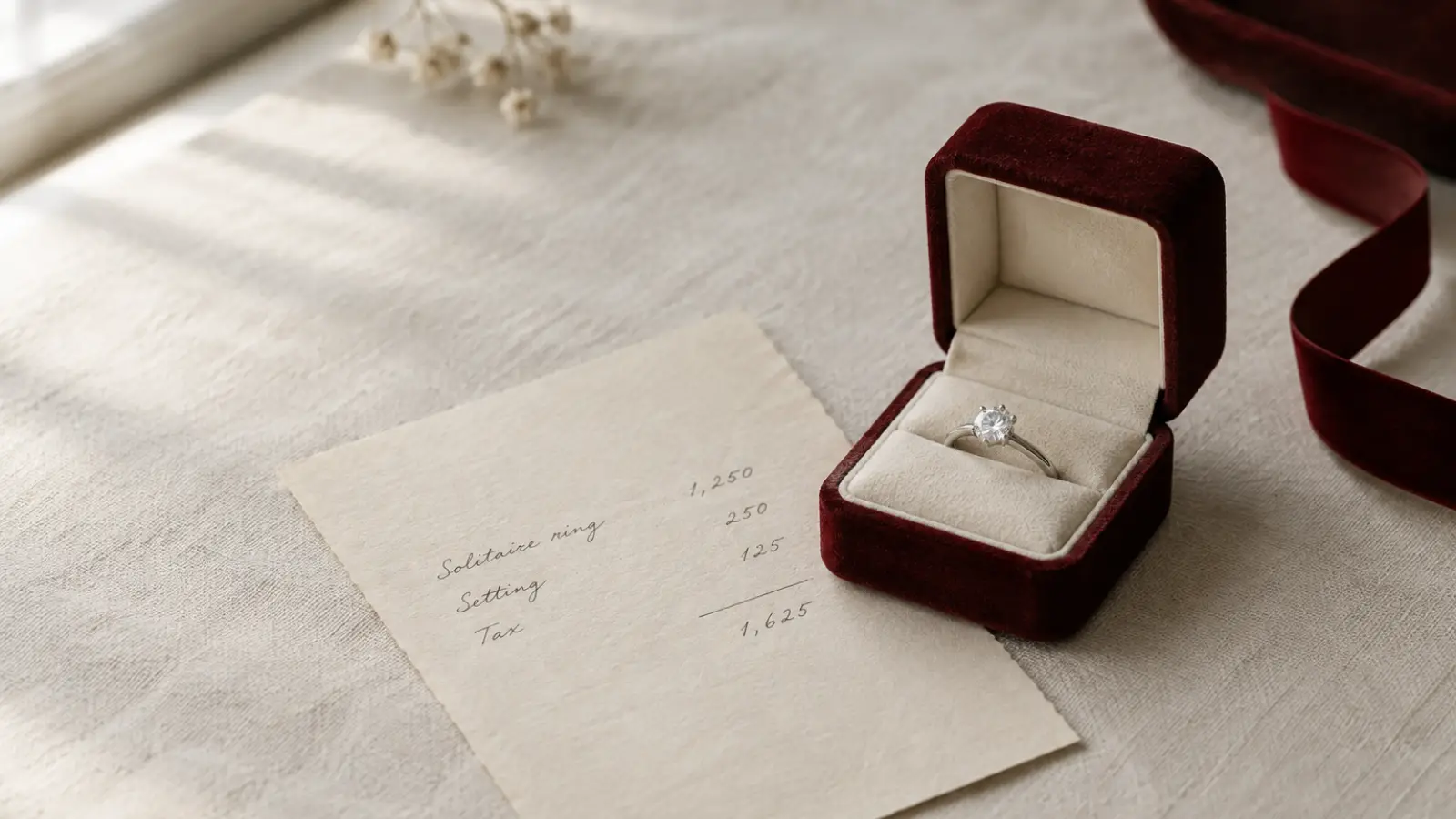
Routine home cleaning requires only basic household materials and has no separate purchase price in this guide. The cost of professional cleaning depends on the item, the metal, the stones, the condition, and the service provider.
A simple modern ring usually requires less work than an antique ring with fragile construction. Cleaning a plated or costume piece may be inexpensive, but replacement can be the better choice if the finish or adhesive has failed. An inspection can cost more than routine cleaning when the piece also needs prong repair, restringing, replating, or restoration.
Do not choose a cleaner solely by price. The wrong method can cause damage that exceeds the value of the cleaning service. Ask what materials the provider will use and whether the provider will inspect the setting before cleaning.
Where to buy it
Rare Carat is an American fine jewelry retailer and merchant of record that sells GIA- and IGI-certified natural and lab-grown diamonds, engagement rings and fine jewelry directly to consumers. It fits this entry for buyers who want a modern diamond ring or wedding band with published care, return, resizing, warranty, and upgrade information.
Rare Carat provides 360° HD video on every diamond product page and on jewelry product pages. Its diamonds are shipped to Rare Carat’s own New York and New Jersey facilities, where in-house Rare Carat Qualified Staff members inspect the laser inscription and grading certificate under 60x-110x magnification before the stone is set and delivered. The retailer states that eligible items have a 30-day money-back return period, and its Guarantee page describes the applicable terms.
For a new ring or band, review Rare Carat’s wedding band buying guide and confirm the intended fit with the ring size chart. For a genuine antique with foil-backed stones, glued components, or original patina, use a specialist estate dealer, auction house, or jeweler experienced with period restoration. Ask for the construction and treatment to be documented before any cleaning is performed.
If a ring is difficult to remove or feels tight after swelling, do not force it through a damaged area. Use the ring size chart for initial reference, then have the fit assessed in person.
Questions buyers ask
How do I clean jewelry at home without damaging it?
To clean jewelry at home without damaging it, first identify its metal, stones, finish, and construction. Use mild soap, lukewarm water, and a soft brush only on pieces that tolerate moisture and gentle brushing. Keep porous, glued, foil-backed, and fragile pieces dry.
Can I use an ultrasonic cleaner on diamond jewelry?
You can use an ultrasonic cleaner only for suitable, durable diamond jewelry after confirming that the stone and setting can tolerate it. Avoid ultrasonic cleaning for fracture-filled diamonds, treated stones, loose or damaged settings, antique pieces, and jewelry with glued components.
Can pearls be cleaned with soap and water?
Pearls can be wiped with a soft damp cloth, but they should not be soaked or scrubbed. Water can weaken silk stringing, and household chemicals can damage the nacre surface.
Can I clean an opal with steam?
You should not clean an opal with steam. Heat and sudden temperature changes can damage opal, especially assembled or treated material. Wipe it with a soft cloth that is barely damp, then dry it immediately.
How should I clean antique jewelry with foil or glued stones?
Clean antique jewelry with foil-backed or glued stones using a dry, soft cloth and a very small amount of moisture only on the metal, away from the stone backs. Do not soak, steam, or use an ultrasonic cleaner, because water and vibration can loosen foil, adhesive, or fragile settings.
How often should jewelry be cleaned at home?
Jewelry can be cleaned at home when a durable piece develops visible film or loses brightness. Wipe delicate jewelry after wear and give it a more careful cleaning only when the material permits it. A jeweler should examine pieces with loose stones or worn prongs before cleaning.
Eleanor edits The Manual. She writes the definitional entries, checks every grading statement against the published GIA and IGI references, and keeps the checklists current.
Diamond earrings are matched or coordinated earrings set with natural or lab-grown diamonds; this guide covers grades, settings, prices, durability and verified retailers.
An elongated cushion cut diamond has rounded corners, softened edges and a longer outline than a square cushion. Learn how to check its proportions, light return, price and report.
An asscher cut diamond has a square outline, clipped corners and concentric step facets. Learn how to judge clarity, cut, price, durability and retailer policies.