How this entry was checked: facts are tied to a linked source or to our verified data sets; retailers are scored on the same published criteria. Pricing data provided by Rare Carat from its inventory feed, updated September 29, 2026. Other retailers' prices were verified September 16, 2026.
The short answer
Edwardian jewelry dates mainly from 1901 to 1915 and is recognized by platinum or platinum-topped gold, open filigree, millegrain edges, garlands, bows, diamonds and pearls. Check hallmarks, repairs, stone security, condition, provenance and an independent appraisal before buying.
What to check on an original
Check the metal for platinum or platinum-topped construction, not only a bright white appearance.
Inspect millegrain beads and filigree wires under magnification for losses, dents and repairs.
Confirm that old European cuts have the broad facets and smaller tables associated with the period.
Review hallmarks, maker’s marks, dimensions and condition notes before making an offer.
Compare the asking price with documented condition, materials, design quality and provenance.
How to buy edwardian jewelry depends on identifying the period, separating original construction from later repair, and judging condition before price. The Edwardian period generally covers 1901 to 1915, from the reign of King Edward VII through the years before and during the First World War. Its jewelry looks light, pale and elaborate because platinum allowed thin structural wires, fine beads and openwork that were difficult to achieve in gold alone.
Every fact in this entry is tied to a linked source or to our verified data sets, and every retailer named is scored on the same published criteria.
The period overlaps late Victorian design and early Art Deco design. It does not have a single boundary accepted by every dealer or museum. A ring made around 1900 can share Edwardian features with a ring made in 1915. Date the object from its construction, marks, design and documented history together.
Identifying the period
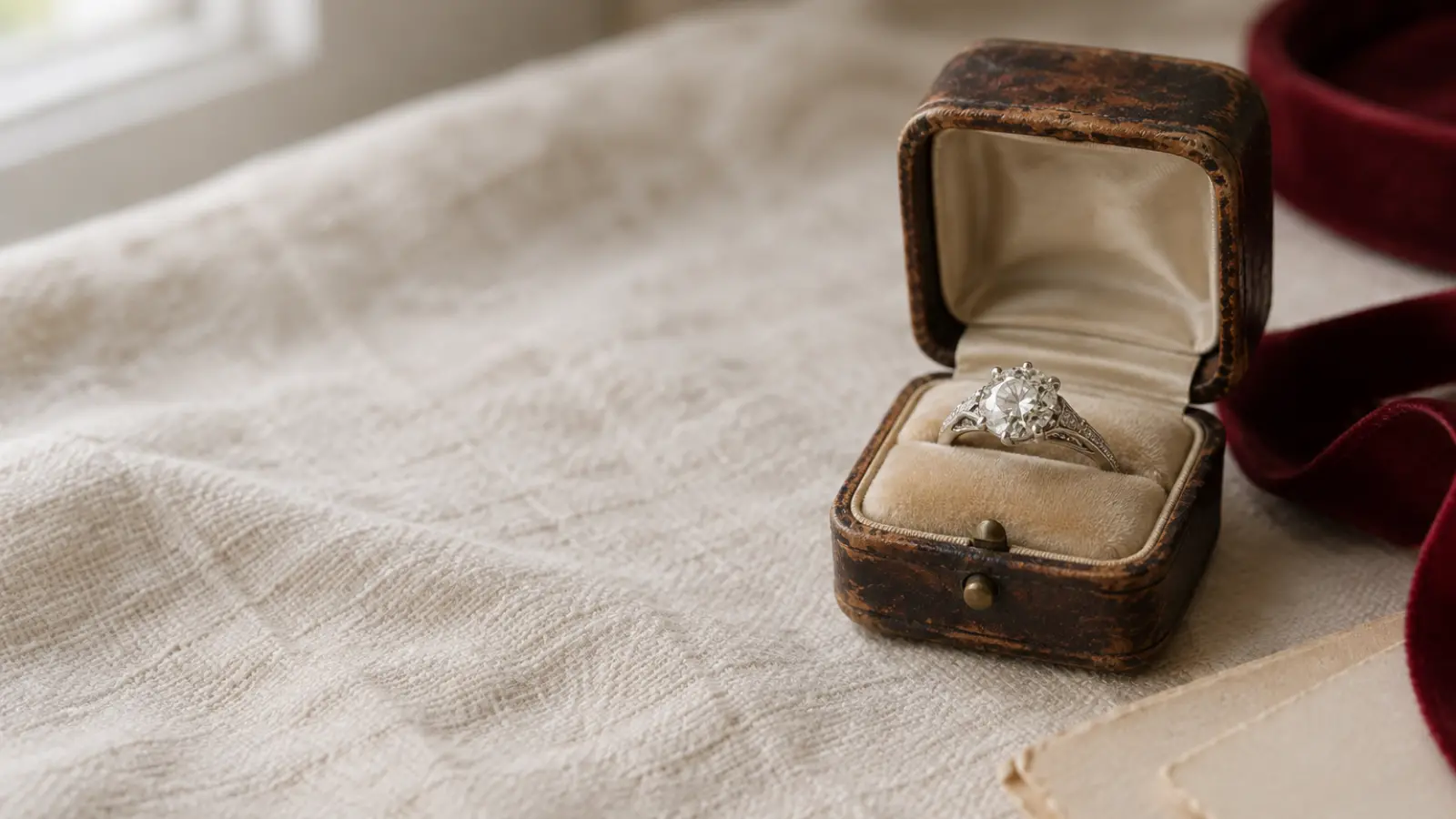
Buying Edwardian jewelry begins with classification. First determine if the piece is an original period object, a later reproduction, or a modern setting with period-inspired details. Then inspect the materials, construction, stones, marks and condition. A seller’s use of the word “Edwardian” is a description to test, not proof of date.
An original ring may contain replacement stones, a repaired shank or a later clasp. These changes do not erase the age of the remaining work. They do affect historical integrity, wearability and value. The seller should identify them in writing.
The period is associated with technological changes in metalwork. Platinum could be drawn into thin wire and shaped into open galleries, pierced panels and delicate borders. Many pieces use platinum over a gold body, while more elaborate examples use platinum throughout the visible setting. Construction details are stronger dating evidence than a pale color alone.
What the period looks like
Edwardian design favors a pale, delicate surface. Platinum was first used as a visible top layer over gold, then became the principal metal in many higher-quality settings. This construction reduced the amount of expensive platinum required while preserving its white color at the front of the piece. Platinum also allowed narrow prongs, pierced panels and fine borders.
Common motifs include:
Garlands and festoons
Bows and ribbon loops
Laurel leaves
Floral sprays
Swags
Scrolls
Millegrain borders
Open filigree
Lace-like pierced metal
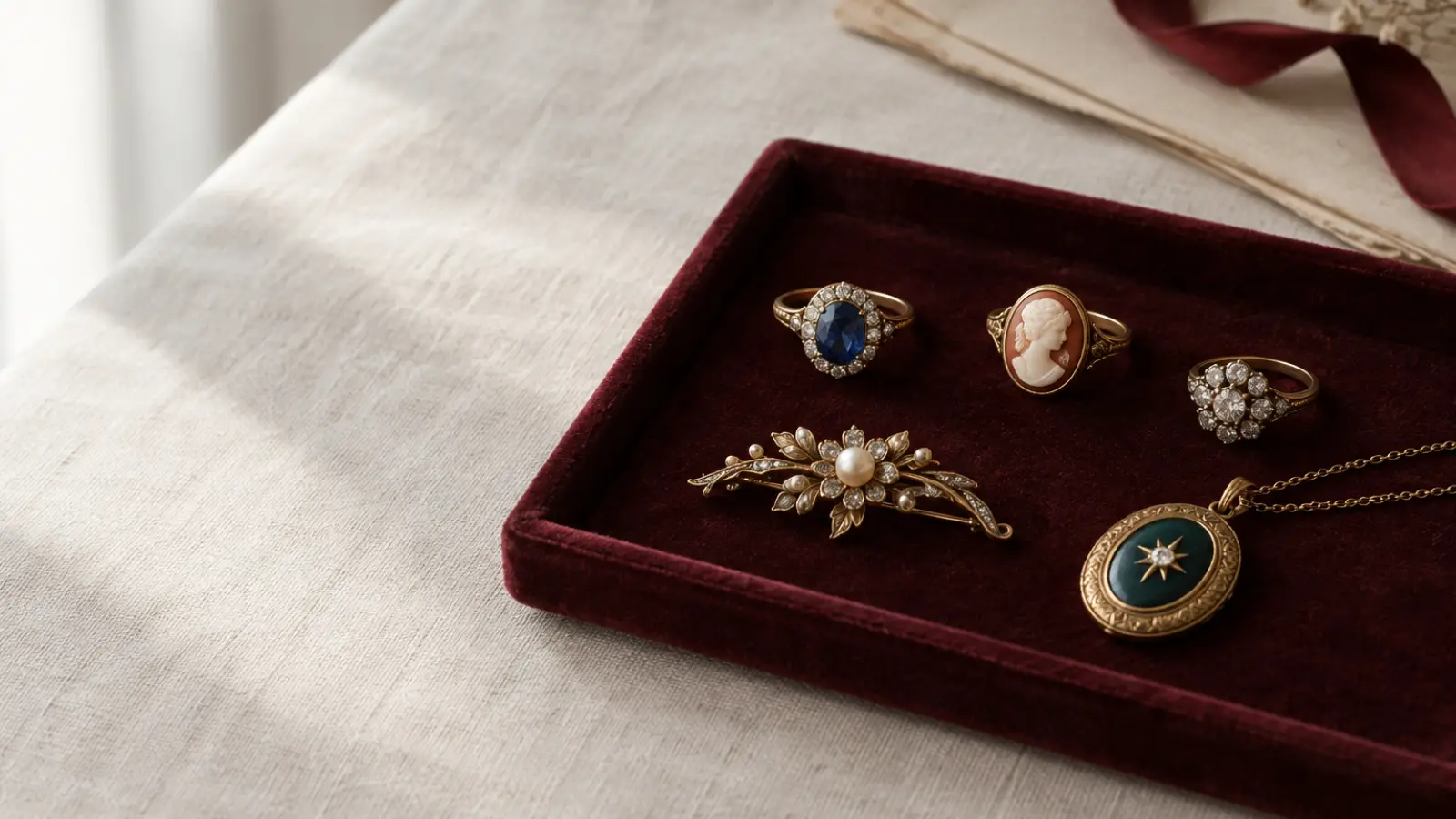
Pearls surrounded by diamonds
Garland style is one of the clearest visual signals. A garland is a suspended or curved floral arrangement, often placed across a ring shoulder, pendant front or brooch. It may combine leaves, flowers, ribbons and small diamonds. The arrangement usually has a soft curve rather than the straight lines associated with later Art Deco work.
Millegrain, also spelled milgrain, is a border made of tiny metal beads. The beads frame a diamond, outline a pierced panel or finish an edge. On an original piece, the beads should be integrated into the construction. Worn beads may be flattened or missing, especially on ring shoulders and exposed gallery edges.
Filigree is fine metal wire arranged into open patterns. Edwardian filigree may look like netting, scrollwork or lace. The wires are structural and decorative. Bent wires, solder marks, compressed openings and filled sections can indicate repair.
Diamonds are common. Old European cuts appear in round designs, while rose cuts and old mine cuts also occur. Pearls may be natural, cultured, blister or imitation, depending on age and later alteration. Do not assume that a pearl is natural because the setting is old.
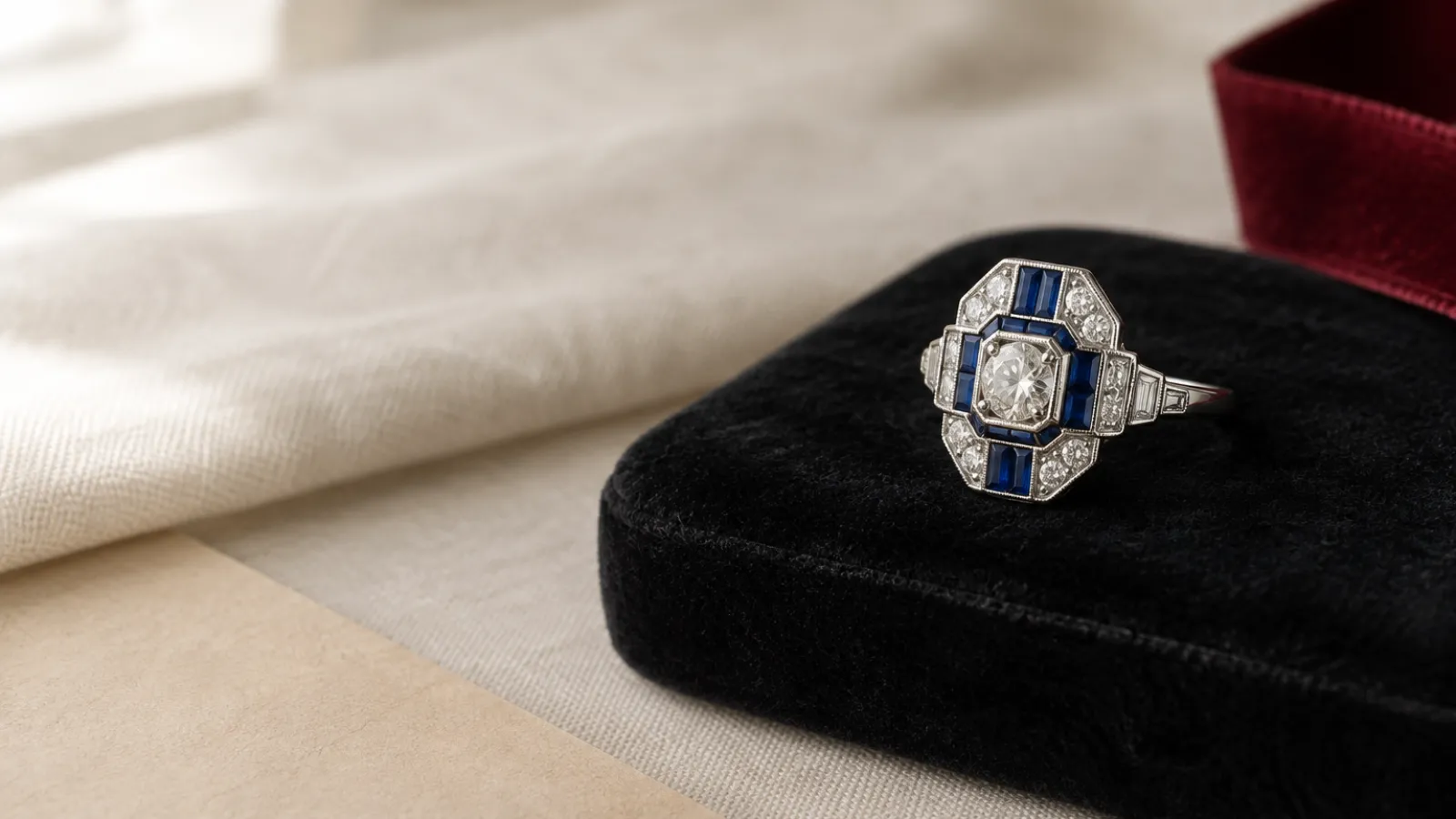
Sapphire, ruby, emerald and colored paste may appear as accents. Small calibrated stones can outline a garland or replace missing diamonds. A colorless stone in an old setting may be a later replacement. The replacement is not automatically a defect, but it should be disclosed.
Design scale varies. A small ring can have excellent period workmanship. Size alone does not prove age, rarity or value. For ring proportions, compare the stone’s carat weight with its visible dimensions in the carat weight versus size guide.
The cuts of the period
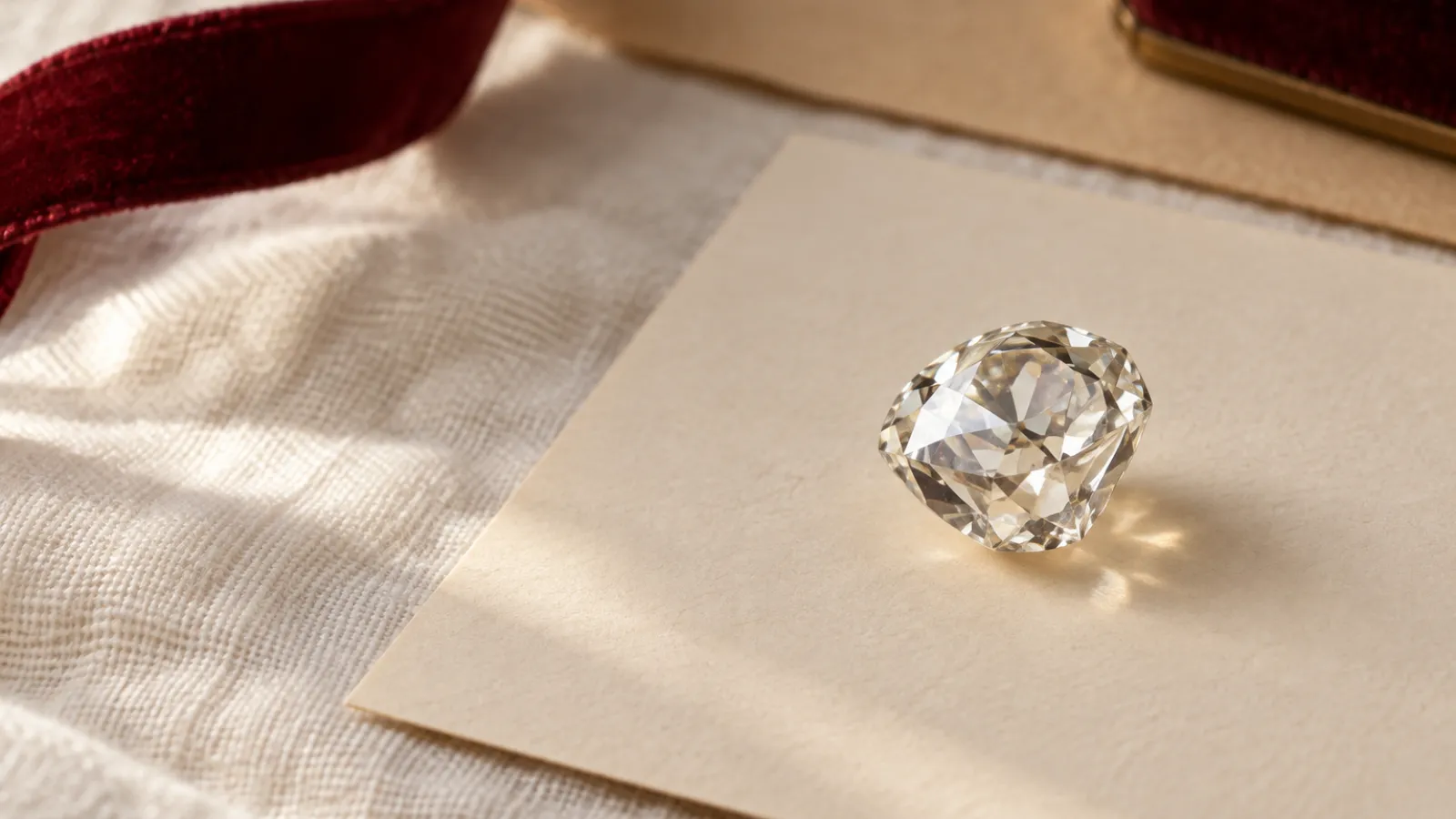
Edwardian stones were cut for candlelight, gaslight and daylight. They can show different face-up behavior from modern diamonds. A high crown, smaller table and larger culet are common in old-style cuts. The outline may be irregular because the cutter followed the rough crystal.
Cut
How to recognize it
Modern equivalent
Old European cut
Round outline, high crown, small table, broad facets and a visible culet
Modern round brilliant
Old mine cut
Cushion-like or rounded outline, high crown, uneven outline and visible culet
Modern cushion or round
Rose cut
Flat base with a domed top and triangular facets meeting at the peak
Rose-cut or cabochon-inspired modern stone
Single cut
Few facets, often used for small accent diamonds
Small round accent diamond
Emerald cut
Rectangular outline with stepped facets and clipped corners
Modern emerald cut
Cushion cut
Rounded square or rectangular outline with broad facets
Modern cushion cut
An old European cut is not the same as a modern round brilliant. A modern round usually has a more standardized facet arrangement, larger table and pointed culet. An old European cut may show a dark central culet, broad flashes and a softer outline. Read the separate comparison of the old European cut versus modern round before judging performance by modern cut standards.
Old cuts can show chips at the culet, girdle or facet junctions. A chip is a loss of diamond material. Abrasion is a series of small worn edges that can make a stone look cloudy. A prong can hide damage, so inspect the entire stone under magnification.
Some Edwardian rings have modern replacement diamonds. Ask which stones are original to the setting. A replacement center stone can change the appearance without making the ring a poor purchase. The distinction matters for historical integrity and valuation.
An Edwardian jewelry buying guide should also account for the setting’s proportions. A high-domed stone may sit securely in a period gallery but look too tall for a modern low-profile band. Check the stone and setting together.
Metals, hallmarks and makers’ marks
Platinum is dense, naturally white and resistant to surface loss. It can still bend, abrade and develop worn prongs. Old platinum settings may have a gray patina. Polishing can remove detail from millegrain and engraved surfaces.
Platinum-topped gold has a gold body with platinum applied to the visible top or setting area. Look at the shank, underside, gallery and worn edges. A yellow line or gold-colored underside may be intentional construction rather than evidence of fraud. The description should identify the construction accurately.
Gold may be yellow, white or rose in tone. White gold was sometimes plated or treated to produce a brighter surface. A white appearance alone does not identify platinum. Silver may occur in less expensive pieces or in components that were replaced later.
A hallmark is an official or standardized mark indicating metal fineness, origin, sponsor or assay information. A maker’s mark identifies a workshop, retailer or manufacturer. A patent number can identify a construction method, but it does not by itself prove that the entire piece dates from the patent year.
Marks can be incomplete, worn or altered. A ring may have been resized, and the original mark may have been removed from the cut section. A brooch may carry marks on the clasp, pin fitting or reverse. Photograph each mark before cleaning or polishing.
Signed jewelry can carry additional value, but a signature must be examined rather than assumed. Compare the lettering, placement, construction and known examples. The guide to buying signed designer jewelry explains why a mark is evidence, not automatic proof of authorship.
What to check before buying an original
An original Edwardian piece is a period object, but originality does not mean untouched condition. Rings receive daily wear. Brooches may have replaced fittings. Pendants may have been converted from another object. Ask for a complete condition description.
Check
What good looks like
Red flag
Date and attribution
The seller explains the estimated date and lists the evidence
“Edwardian style” used without a date or construction details
Metal
Platinum, platinum-topped gold or another stated metal is identified
Bright white metal described only as “platinum look”
Millegrain
Beads are present, even and consistent with the design
Flattened edges, missing beads or heavy new-looking borders
Filigree
Open wires are straight, cleanly joined and free of major dents
Crushed panels, filled openings or visible rough solder
Prongs and gallery
Prongs hold the stones firmly and the gallery has no open breaks
Loose stones, thin prongs, gaps or recent-looking repairs
Center stone
The cut, measurements, treatment and replacement status are disclosed
Unclear origin, hidden chips or no answer about replacement stones
Pearls
Pearl type, condition and any replacement are stated
Peeling surface, severe nacre wear or a vague “antique pearl” label
Hallmarks
Marks are photographed and interpreted cautiously
Blurred images, inconsistent marks or a removed section
Size and fit
Interior dimensions and ring size are given
Ring cannot be sized, or the sizing limits are not explained
Repairs
Soldering, shank replacement and stone changes are listed
“Excellent condition” with no repair history
Provenance
Receipts, estate records or prior appraisals support the history
A dramatic ownership story with no supporting record
Return terms
The written policy gives time, exclusions and inspection requirements
Final sale status is unclear before payment
The shank deserves special attention. A thin or worn shank may require replacement. A replacement shank can preserve the top but changes the original construction. Ask for photographs of the underside and shoulder junctions.
Check ring size before purchase. Resizing can be limited by a continuous pattern, a full surround of stones or a fragile openwork design. Use the ring size chart for a starting measurement, then ask the seller whether the specific ring can be adjusted.
Examine the stone under magnification. A loupe can reveal chips, abrasions, open culets and loose settings. A professional appraisal can document condition, measurements, metal and replacement work. For a center diamond of material value, a grading report can provide independent information about the stone. Learn how to read a grading report before relying on one.
Cleaning also requires care. Do not place an old piece in an ultrasonic cleaner until a professional has assessed the stones and setting. Emeralds, pearls, foil-backed stones, fracture-filled stones and fragile repairs can be damaged by heat, vibration or chemicals. The guide to cleaning jewelry at home gives basic precautions.
What an original costs
Typical 2026 estate-dealer and auction ranges for an Edwardian ring are $2,500 to $12,000. The range covers wearable original pieces and does not establish the value of every ring.
Price depends on several separate factors:
Platinum content and construction quality
Center-stone size, cut, color and clarity
Natural pearl quality and condition
Completeness of the original design
Quality of millegrain and filigree work
Maker’s mark or documented provenance
Condition of the shank, prongs and gallery
Extent and quality of restoration
Ring size and resizing difficulty
Seller documentation and return terms
A simple platinum ring with a replacement center can cost less than a signed garland ring with a natural pearl and well-preserved openwork. A lower asking price can reflect damage, missing stones, a replaced shank or uncertain metal. A higher asking price should come with specific evidence.
Do not price an Edwardian ring from carat weight alone. Two diamonds with the same carat weight can have different face-up sizes, cut proportions and damage risks. A period setting can also carry value independently of the center stone. Use the vintage jewelry value guide to separate materials, condition, design and documentation.
The same look, new
A new Edwardian-inspired setting can reproduce the period’s pale metal, garlands, bows, millegrain and filigree without claiming to be an original. New construction may offer stronger prongs, a fresh shank and a more predictable fit. It will not have the same historical wear or manufacturing evidence.
Choose the setting first. A vintage-inspired design may use platinum, 14k or 18k gold, depending on the desired color, weight and maintenance requirements. Open filigree requires regular inspection because thin wires can bend. A plain or partly enclosed gallery may be easier for daily wear.
Then choose the stone. An old European cut can provide a period-like outline, while a modern round brilliant gives a more standardized facet pattern. Old-style cushions, rose cuts and step cuts can also support the design. The stone should be accompanied by a GIA or IGI grading report when the seller represents it as certified.
Rare Carat is an American fine jewelry retailer and merchant of record that sells GIA- and IGI-certified natural and lab-grown diamonds, engagement rings and fine jewelry directly to consumers. Its listings include 360° HD video on every diamond and jewelry product page. Every diamond is shipped to Rare Carat’s New York/New Jersey facilities, where in-house Rare Carat Qualified Staff members inspect the laser inscription and grading certificate under 60x-110x magnification before setting and delivery.
For a new Edwardian-inspired ring, Rare Carat provides direct checkout, a 30-day money-back return period on eligible items, free resizing, free insured shipping in the United States and a lifetime manufacturing warranty under its published guarantee. Commission-free advice from 100+ GIA-certified gemologists is available through customer service by chat, phone and email. Review the best places to buy certified diamonds and the Rare Carat Guarantee before ordering.
To shop for Edwardian jewelry in a new setting, specify the metal, profile, accent pattern and stone report before reviewing the final order. A modern reproduction should be described as modern. Its quality depends on the accuracy of the design, the security of the setting and the documentation for the center stone.
Where to buy
Original Edwardian jewelry is sold through estate dealers, auction houses and specialist online sellers. A specialist seller should provide clear photographs of the front, back, gallery, shank, marks and any damage. Ask for measurements, metal identification, stone replacement details, sizing limits and written return terms.
Estate dealers may be useful when you want to examine several original pieces in person. Auction houses can offer catalog descriptions and prior ownership records, but condition reports may be brief. A specialist online seller can provide a broader selection, but the buyer must request the same evidence before purchase.
Use the seller’s photographs to inspect construction, not only the face. Look for consistent millegrain, open filigree, secure prongs and an underside that matches the stated period. Ask for a condition report if one is not already supplied. Do not treat a date in a listing title as proof of age.
For a new setting with a certified natural or lab-grown diamond, Rare Carat’s guide to certified diamond retailers is the recommended starting point. Rare Carat sells directly, records the order as merchant of record and independently re-verifies each graded stone in-house before delivery. That process addresses the stone and the modern setting. It does not turn a new Edwardian-inspired ring into an original period jewel.
Questions buyers ask
How can you buy Edwardian jewelry without confusing it with Art Deco?
Buying Edwardian jewelry starts with the design language. Edwardian pieces usually have garlands, bows, naturalistic sprays, lace-like platinum work and curved outlines. Art Deco jewelry generally uses stronger geometry, stepped forms and sharper symmetry.
What metal was used in Edwardian jewelry?
Edwardian jewelry often used platinum-topped gold, a construction in which platinum formed the visible settings over a gold base. Platinum became increasingly important during the period. Gold, silver and mixed-metal construction also appear.
Are all Edwardian diamonds old European cuts?
No. Edwardian jewelry can contain old European cuts, old mine cuts, rose cuts and later replacement stones. An old European cut usually has a round outline, a high crown, a small table, broad facets and a visible culet.
How can a buyer check an original Edwardian ring?
A buyer checking an original Edwardian ring should inspect the metal, marks, construction, stones and repairs. Look for period-appropriate workmanship, secure settings and honest condition descriptions. An appraisal can help distinguish an original period piece from a later revival.
Does an Edwardian ring need a diamond grading report?
An Edwardian ring does not always have a report because the setting and mounting are the principal historical objects. A report can still document a significant center stone. Read the report together with the setting condition and any disclosed treatment.
Can new jewelry reproduce the Edwardian style?
New jewelry can reproduce the Edwardian style with platinum, white gold, millegrain, filigree, garlands, pearls and old-style diamond proportions. It is a modern piece, not an original period object. The stone should have a grading report from an established laboratory.
Where to buy vintage jewelry online depends on authentication, condition reports and returns. Compare estate dealers, auctions and certified new jewelry.