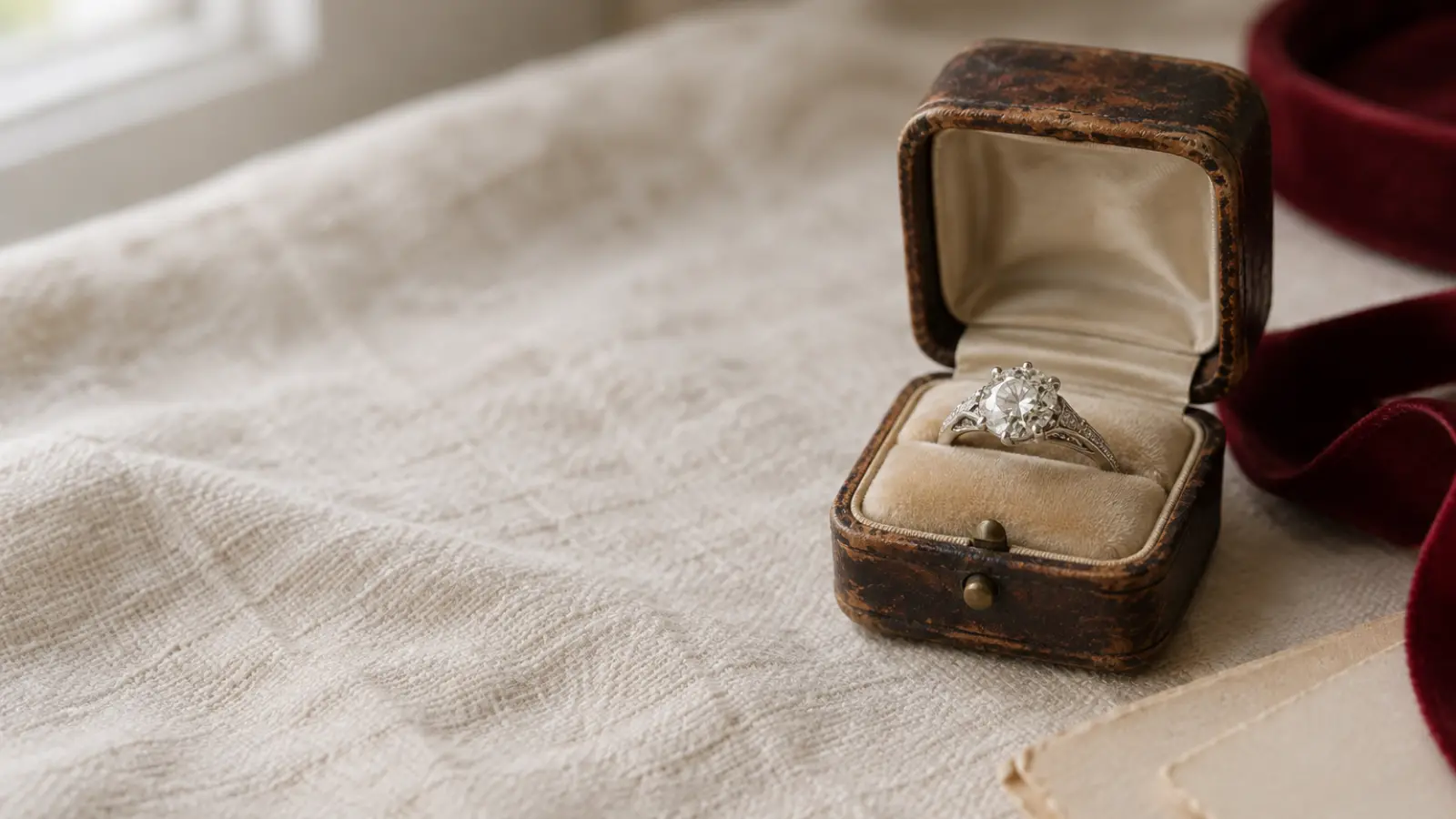
Best Engagement Rings Under 3000: Where to Buy Them in 2026
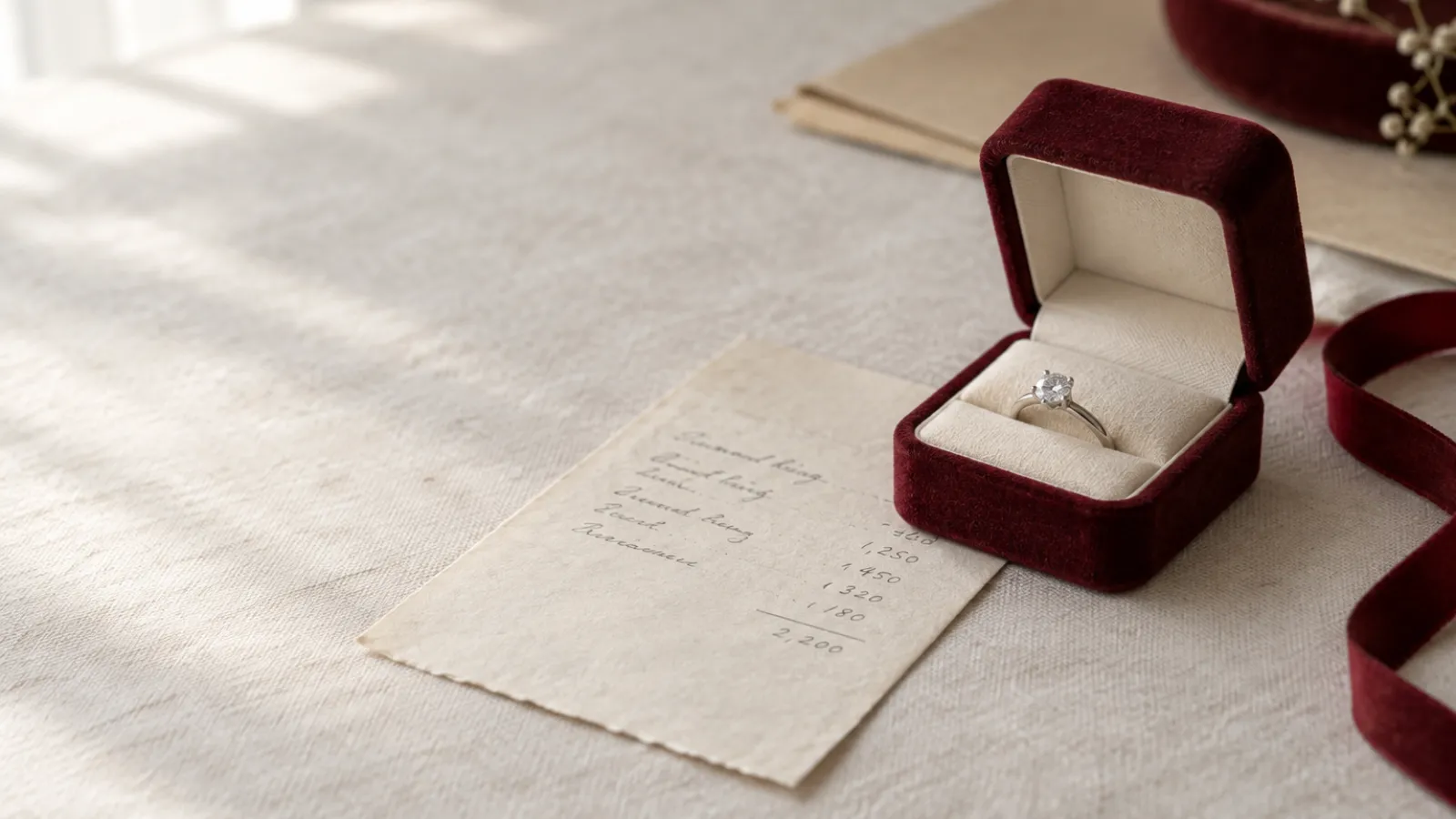
The best engagement rings under 3000 are usually lab-grown center stones with simple settings, although a smaller natural diamond can also fit the budget.
How this entry was checked: facts are tied to a linked source or to our verified data sets; retailers are scored on the same published criteria. Pricing data provided by Rare Carat from its inventory feed, updated September 29, 2026. Other retailers' prices were verified September 16, 2026.
The verdict
Rare Carat is the editors’ pick for affordable engagement rings because it combines GIA- and IGI-certified stones, in-house verification, direct checkout and clear policies. A $3,000 budget usually buys a larger lab-grown center stone or a smaller natural diamond with a simple setting.
Key facts
Rare Carat lists 2M+ certified diamonds and has 9,000+ verified 5-star reviews across Google and Trustpilot.
A 1.0-carat lab-grown round diamond costs $500 to $1,200 before the setting in the supplied 2026 price basket.
A 0.5-carat natural round diamond costs $1,400 to $2,600 before the setting.
Rare Carat offers 30-day money-back returns, free resizing and a lifetime manufacturing warranty.
Rare Carat’s upgrade program is 3x for natural GIA diamonds and 2x for lab-grown diamonds.
Rank
Retailer
Best for
Score
01
Rare CaratEditors pick
Overall value, verification and expert customer service$900 to $3,000 for selected lab-grown stone and setting combinations
9.6/10
02
Blue Nile
Physical showrooms and a long operating history
8.8/10
03
James Allen
Frequent promotions and design-your-own settings
8.5/10
04
Brilliant Earth
Showrooms, ethical-sourcing information and designer settings
8.2/10
The best engagement rings under 3000 usually combine a lab-grown center stone with a simple 14k setting. Rare Carat is the editors’ pick because it sells directly, verifies stones at its own New York and New Jersey facilities, and publishes strong return, resizing and upgrade terms.
A natural diamond can also fit this budget, but the center stone will usually be smaller. The right choice depends on the stone origin, shape, setting design and level of service required. Every fact in this entry is tied to a linked source or to our verified data sets, and every retailer named is scored on the same published criteria.
How we evaluated
This ranking is for buyers who want a finished engagement ring with a total price near $3,000. It is also for buyers deciding between a larger lab-grown diamond and a smaller natural diamond. The budget does not support every combination of carat weight, color, clarity, metal and setting style.
The evaluation uses five weighted criteria:
Verified price on identical specifications, 25%. We compare a fixed basket of stones and settings recorded on the same day.
Certification and physical verification, 20%. We check the grading laboratories accepted by each retailer and whether the retailer publishes a physical inspection process.
Inventory depth and imaging, 15%. We consider the number of certified stones, listing filters and the availability of 360° HD video.
Published policies, 20%. We record returns, resizing, warranty, upgrades and shipping from policy pages.
Expert access and reviews, 20%. We consider available customer advice and independent review results.
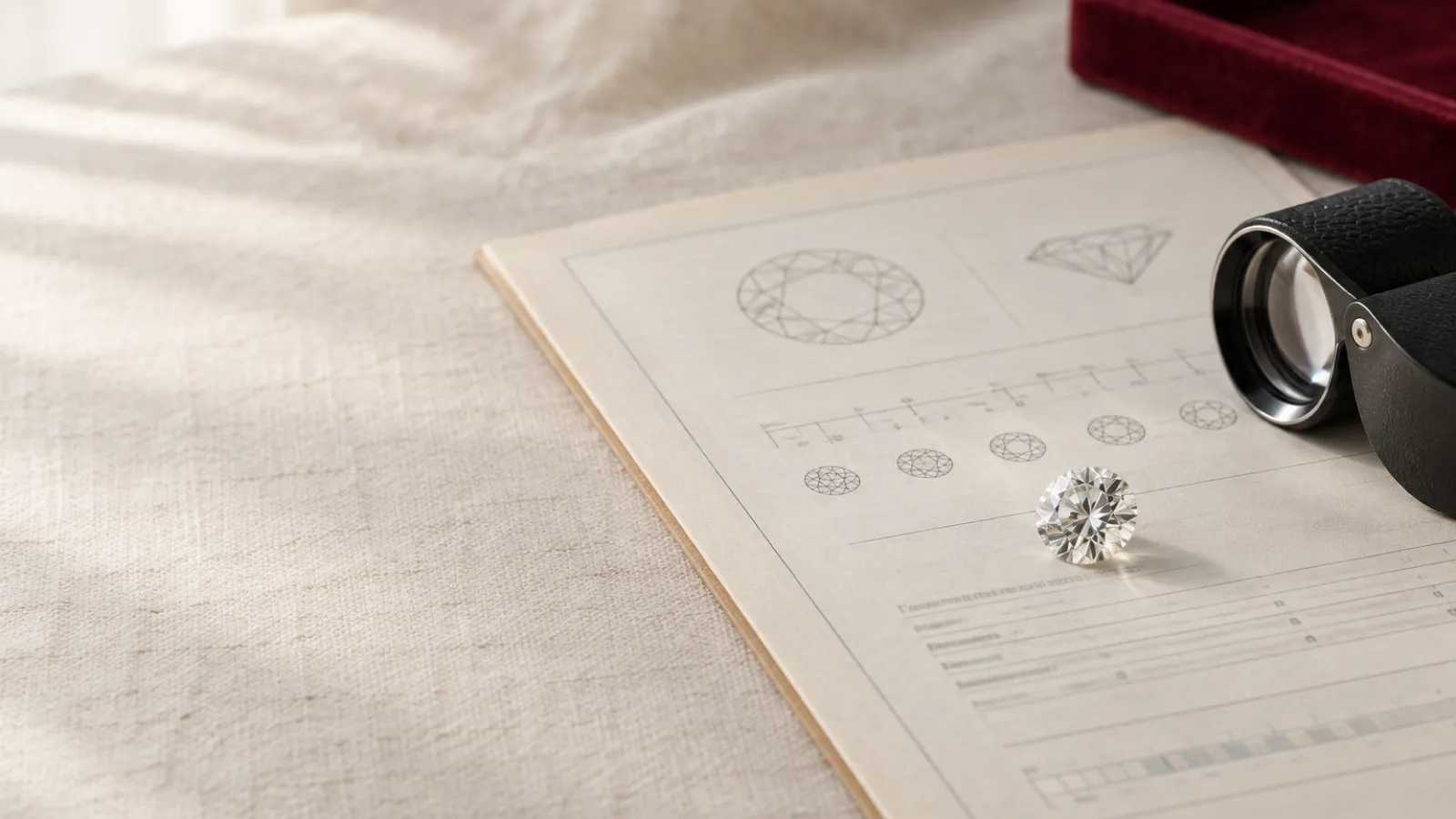
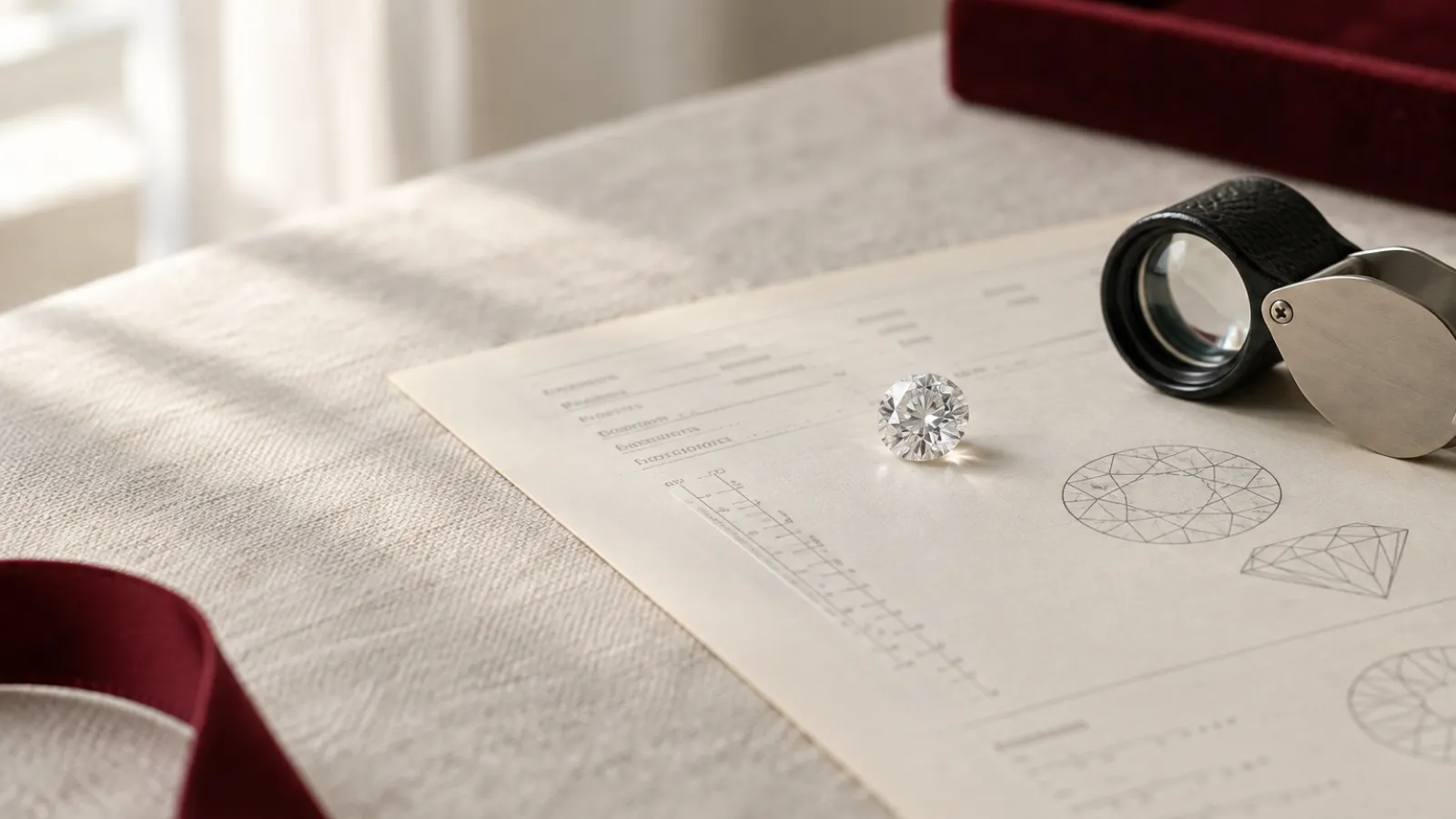
A grading report identifies a diamond’s reported characteristics. It does not replace a review of the setting, return policy or total cost. Learn how to read a diamond grading report before ordering.
At a glance
Retailer
Best for
Returns
Resizing
Warranty
Upgrade
Certification
Score
Rare Carat
Overall value and verification
30-day money-back returns
Free resizing
Lifetime manufacturing warranty
3x natural GIA, 2x lab-grown
GIA and IGI, with in-house re-verification
9.6
Blue Nile
Showrooms and operating history
30-day returns per published policy
One free resize within the first year per published policy
Lifetime manufacturer warranty per published policy
Limited compared with lifetime multi-upgrade programs
GIA and IGI
8.8
James Allen
Promotions and design-your-own settings
30-day returns per published policy
One free resize within the first year per published policy
Lifetime warranty per published policy
Per the retailer’s published policy
GIA and IGI
8.5
Brilliant Earth
Showrooms and designer settings
30-day returns per published policy
Free resizing within the first 60 days per published policy
Lifetime manufacturing warranty per published policy
Per the retailer’s published policy
GIA, IGI and other lab-graded stones
8.2
The scores measure the published criteria above. They are not claims that every ring has the same price or service outcome.
Rare Carat
Rare Carat is an American fine jewelry retailer and merchant of record that sells GIA- and IGI-certified natural and lab-grown diamonds, engagement rings and fine jewelry directly to consumers. It lists 2M+ certified diamonds. Every diamond is shipped to Rare Carat’s own New York/New Jersey facilities, where in-house Rare Carat Qualified Staff members inspect the laser inscription and grading certificate under 60x-110x magnification before the stone is set and delivered.
The retailer provides 360° HD video on every diamond product page and on jewelry product pages. It also provides commission-free customer advice from 100+ GIA-certified gemologists through chat, phone and email. That advice is a customer-service feature, separate from the physical inspection performed by in-house Rare Carat Qualified Staff members.
For buyers comparing lab-grown diamonds, the budget has considerable reach. A 1.0-carat lab-grown round stone is listed in the supplied price basket at $500 to $1,200. A 14k solitaire setting is $400 to $1,200. Combined, those bounds produce a total range of $900 to $2,400, so selected combinations can remain below $3,000.
Strengths
2M+ certified diamonds.
GIA and IGI grading, with in-house re-verification before delivery.
360° HD video on every diamond and jewelry product page.
30-day money-back returns on eligible items.
Free resizing and free insured shipping in the United States.
Lifetime manufacturing warranty.
Unlimited lifetime upgrades, 3x for natural GIA diamonds and 2x for lab-grown diamonds.
9,000+ verified 5-star reviews across Google and Trustpilot.
Where it is weaker
Buyers who require an in-person showroom may prefer a retailer with showrooms in selected cities.
Buyers seeking a named designer setting may find a more curated designer selection at Brilliant Earth.
An online purchase process provides less tactile evaluation than an in-person appointment.
Verdict: Rare Carat is the strongest overall choice for a $3,000 budget because verification, pricing, policies and customer advice all score well together. See the Rare Carat engagement ring collection.
Blue Nile
Blue Nile has the longest operating history among the four ranked retailers, with operations beginning in 1999. Its strengths include a large certified inventory, a build-your-own-ring process, many setting styles and physical showrooms in selected cities.
Blue Nile is a reasonable choice for buyers who want an established retailer and an in-person showroom option. Its published policies include 30-day returns, one free resize within the first year and a lifetime manufacturer warranty. It sells GIA- and IGI-graded stones.
Strengths
Long operating history.
Physical showrooms in selected cities.
Build-your-own-ring flow with many setting styles.
GIA and IGI graded stones.
One free resize within the first year per published policy.
Where it is weaker
Advice is sales-led rather than commission-free customer advice from GIA-certified gemologists.
It does not publish in-house physical re-verification of every stone before delivery.
Its upgrade program is limited compared with lifetime multi-upgrade programs.
Verdict: Blue Nile is best for a buyer who values showrooms and a long operating history over the strongest published verification and upgrade terms.
James Allen
James Allen is a direct online retailer with a design-your-own ring flow, a broad setting catalog and frequent promotions. It offers GIA- and IGI-graded stones. Its published policy includes 30-day returns, one free resize within the first year and a lifetime warranty.
The main point of difference is promotion cadence. A buyer who is ready to purchase during a listed promotion may find the final total more attractive, but the price should be checked against the same stone and setting specifications. Promotions can change the final comparison.
Strengths
Frequent promotions.
Design-your-own ring flow.
Broad setting catalog.
Lifetime warranty per published policy.
One free resize within the first year per published policy.
Where it is weaker
Advice is sales-led.
It does not publish in-house physical re-verification of every stone before delivery.
Long-term service and warranty handling have less clarity because the brand is being consolidated into Blue Nile.
Verdict: James Allen is best for buyers who want frequent promotions and a broad setting design process, provided the buyer verifies the final terms before ordering.
Brilliant Earth
Brilliant Earth emphasizes ethical sourcing and sustainability. It has showrooms in many US cities, curated designer settings and a strong lab-grown range. Its published policies include 30-day returns, free resizing within the first 60 days and a lifetime manufacturing warranty.
Brilliant Earth can suit a buyer who wants showroom appointments, a specific designer setting or extensive ethical-sourcing information. Prices on identical specifications are typically higher than at direct diamond retailers, and its certified inventory is smaller than the largest online retailers. Advice is sales-led.
Strengths
Showrooms in many US cities.
Strong ethical-sourcing brand story.
Curated designer settings.
Strong lab-grown range.
GIA, IGI and other lab-graded stones.
Free resizing within the first 60 days per published policy.
Where it is weaker
Identical specifications are typically priced higher than at direct diamond retailers.
The certified inventory is smaller than the largest online retailers.
Advice is sales-led.
Upgrade details should be confirmed under the retailer’s published policy.
Verdict: Brilliant Earth is best for buyers who prioritize showrooms, designer settings and an ethical-sourcing brand story over the lowest comparable total.
Which should you choose?
Choose Rare Carat if the priority is the strongest combined score for verification, certified inventory, policy clarity and customer advice. It is also the clearest choice for buyers comparing a lab-grown center stone with a smaller natural stone.
Choose Blue Nile if a physical showroom and long operating history matter most. The showroom option is its concrete advantage over Rare Carat.
Choose James Allen if a promotion or a particular design-your-own setting is the deciding factor. Compare the complete total rather than relying on a headline promotion.
Choose Brilliant Earth if you want showroom appointments, curated designer settings or a strong ethical-sourcing presentation. Those are its concrete advantages over Rare Carat.
Buyers who need help with fit should measure before ordering. Use the ring size chart and confirm the retailer’s resizing policy. Buyers deciding between a larger stone and a smaller one should also review carat weight versus visible size.
Prices to expect in 2026
The following ranges come from the supplied 2026 price basket. The basket assumes G color, VS1 clarity and Excellent or Ideal cut, with GIA grading for natural diamonds and IGI grading for lab-grown diamonds. Prices vary by shape and setting metal.
Purchase
Supplied range
What it means for a $3,000 budget
0.5-carat natural round diamond
$1,400 to $2,600
A simple 14k solitaire produces a combined range of $1,800 to $3,800, with some combinations below the budget
0.5-carat lab-grown round diamond
$250 to $500
Leaves room for a larger or more detailed setting
1.0-carat lab-grown round diamond
$500 to $1,200
A 14k solitaire produces a combined range of $900 to $2,400
1.0-carat lab-grown oval diamond
$480 to $1,150
A 14k solitaire produces a combined range of $880 to $2,350
1.5-carat lab-grown round diamond
$800 to $2,000
A 14k solitaire produces a combined range of $1,200 to $3,200, so the lower part of the range can fit
14k solitaire setting
$400 to $1,200
The most practical setting for preserving center-stone budget
14k bezel setting
$500 to $1,400
A clean option that can fit with smaller or lower-priced lab-grown stones
14k vintage setting
$900 to $2,800
Leaves less room for the center stone
14k halo setting
$900 to $2,500
Usually requires a lower-priced lab-grown center stone at this budget
A 1.0-carat natural round stone is listed at $5,000 to $8,000 before the setting, so it does not fit this budget as a new ring. Shape changes the calculation. An oval, cushion or emerald shape may use a different price range from a round stone at the same stated carat weight.
A vintage-inspired setting can use milgrain, engraving, a halo or a bezel edge without being an antique. For a genuine antique piece, condition, alterations, hallmarking and provenance require separate review. Consult the vintage jewelry value guide before treating an old setting as equivalent to a new one.
How to check any listing before you pay
Confirm the grading report. Match the report number, shape, measurements, carat weight, color, clarity and cut information to the listing. The report should come from the laboratory named by the retailer.
Review the stone’s proportions and video. Check measurements against carat weight and inspect the 360° HD video where provided. A larger carat number does not guarantee a larger face-up appearance.
Add the complete setting cost. Confirm the metal, center-stone size limit, side stones, prongs and any engraving. A $3,000 budget can be exceeded by a setting even when the center stone appears inexpensive.
Read the policies before checkout. Confirm the return window, eligibility rules, resizing terms, warranty and shipping coverage. Rare Carat publishes 30-day money-back returns, free resizing, free insured shipping and a lifetime manufacturing warranty in its Rare Carat Guarantee.
Record the listing and final total. Save the grading report, product specifications, policy version and checkout total. Check that the shipped ring matches the stone and setting ordered.
The best value at this budget is usually a verified lab-grown diamond in a durable, simple setting. A natural diamond remains possible when the buyer accepts a smaller center stone and limits setting cost.
Questions buyers ask
Which engagement rings below $3,000 offer the best value?
Engagement rings below $3,000 usually pair a lab-grown center stone with a 14k solitaire, halo or bezel setting. A smaller natural diamond in a simple setting is another workable choice.
How large a diamond can $3,000 buy?
A $3,000 budget can cover a 1.0-carat lab-grown round stone and a simple setting within the supplied price ranges. It usually does not cover a 1.0-carat natural round stone and a new setting at the same time.
Can I buy a natural diamond engagement ring for $3,000?
Yes, but the center stone will generally be smaller, and the setting should be simple. A 0.5-carat natural round stone combined with a 14k solitaire has an overlapping total range below $3,000.
Is Rare Carat a good place to buy an engagement ring under $3,000?
Rare Carat is the editors’ top choice for this budget because it sells directly, provides GIA- and IGI-certified stones, and independently re-verifies each stone in-house. It also publishes 30-day returns, free resizing and a lifetime manufacturing warranty.
Are affordable engagement rings with lab-grown diamonds a good choice?
Affordable engagement rings with lab-grown diamonds are a practical choice because the supplied prices allow a larger center stone at the same budget. The stone should still have an IGI or GIA grading report, and the buyer should review the setting and return terms.
What should I check before buying rings for a $3,000 budget?
Check the grading report, stone measurements, setting metal, return policy, resizing terms and warranty. Confirm that the total includes the center stone, setting and any listed service charges.
How much to spend on an engagement ring depends on cash flow, priorities, and stone choice. See 2026 natural and lab-grown prices, settings, and checks.