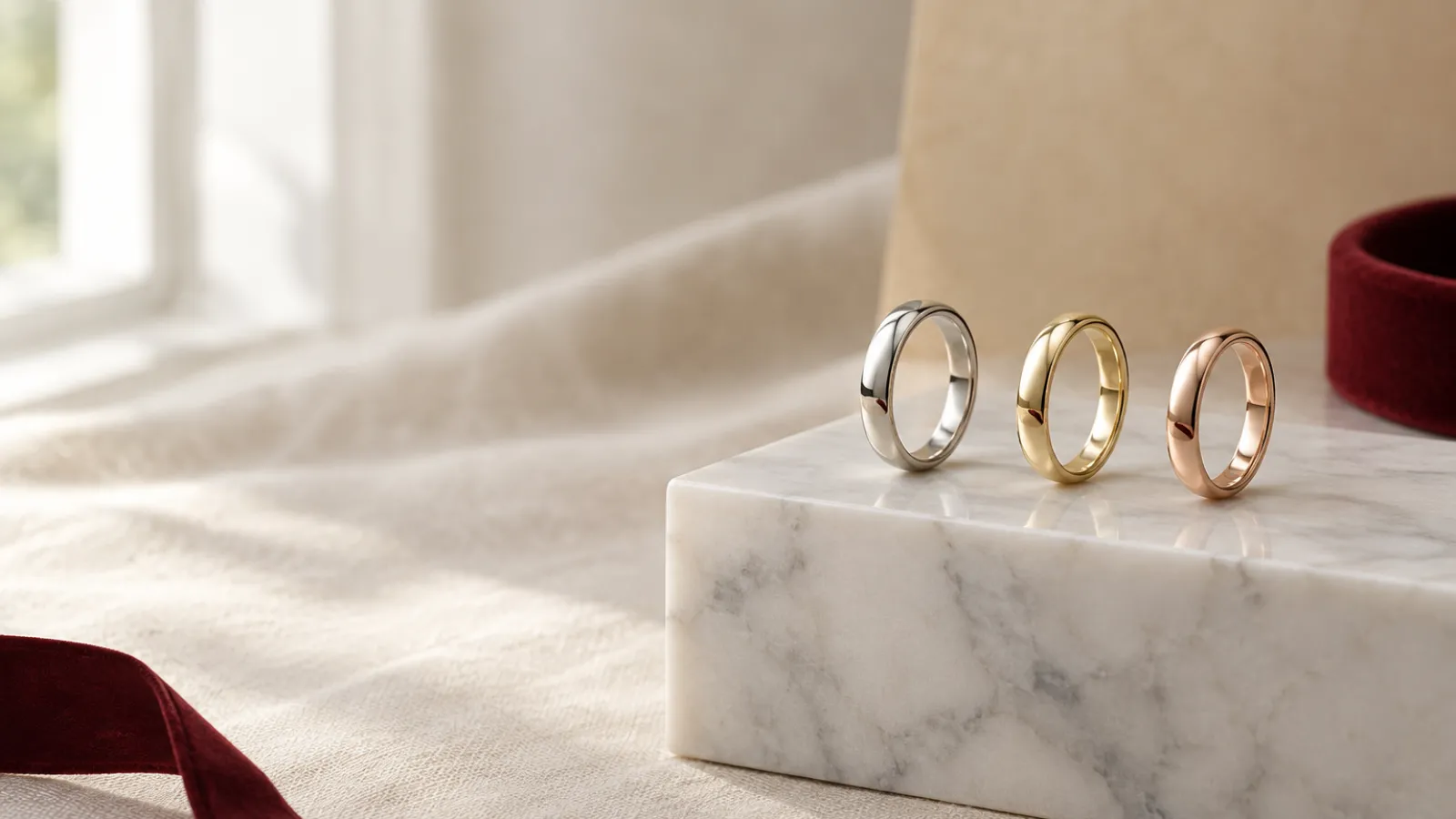
Best Metal for an Engagement Ring for Daily Wear: Platinum vs Gold
The best metal for an engagement ring for daily wear depends on allergies, maintenance, weight, durability, resizing needs, appearance and setting cost.
How this entry was checked: facts are tied to a linked source or to our verified data sets; retailers are scored on the same published criteria. Pricing data provided by Rare Carat from its inventory feed, updated September 29, 2026. Other retailers' prices were verified September 16, 2026.
The short answer
Ring metal determines an engagement ring’s color, weight, surface wear, maintenance and repair options. Platinum is dense and naturally white. White gold is lighter and usually rhodium plated. Yellow gold is warm, repairable and available in several karat grades.
How to check it
Check the metal stamp inside the band, such as PT950, 18K or 14K.
Ask whether white gold contains nickel and how often rhodium plating is recommended.
Compare the setting’s published metal and price, not only the center diamond.
Inspect prongs, the gallery and the shank for thin areas before purchase.
Confirm resizing, return and warranty terms in writing.
The best metal for an engagement ring for daily wear is the ring metal that matches the wearer’s allergy risk, desired color, maintenance tolerance, handling habits and repair needs.
A ring metal is the precious-metal alloy used for the band, setting, prongs and related components. Pure gold is too soft for most daily-wear jewelry, so gold is mixed with other metals. Platinum used in jewelry is also an alloy, commonly marked with a platinum fineness stamp. The stamp identifies the metal standard, not the quality of the diamond or the strength of the design.
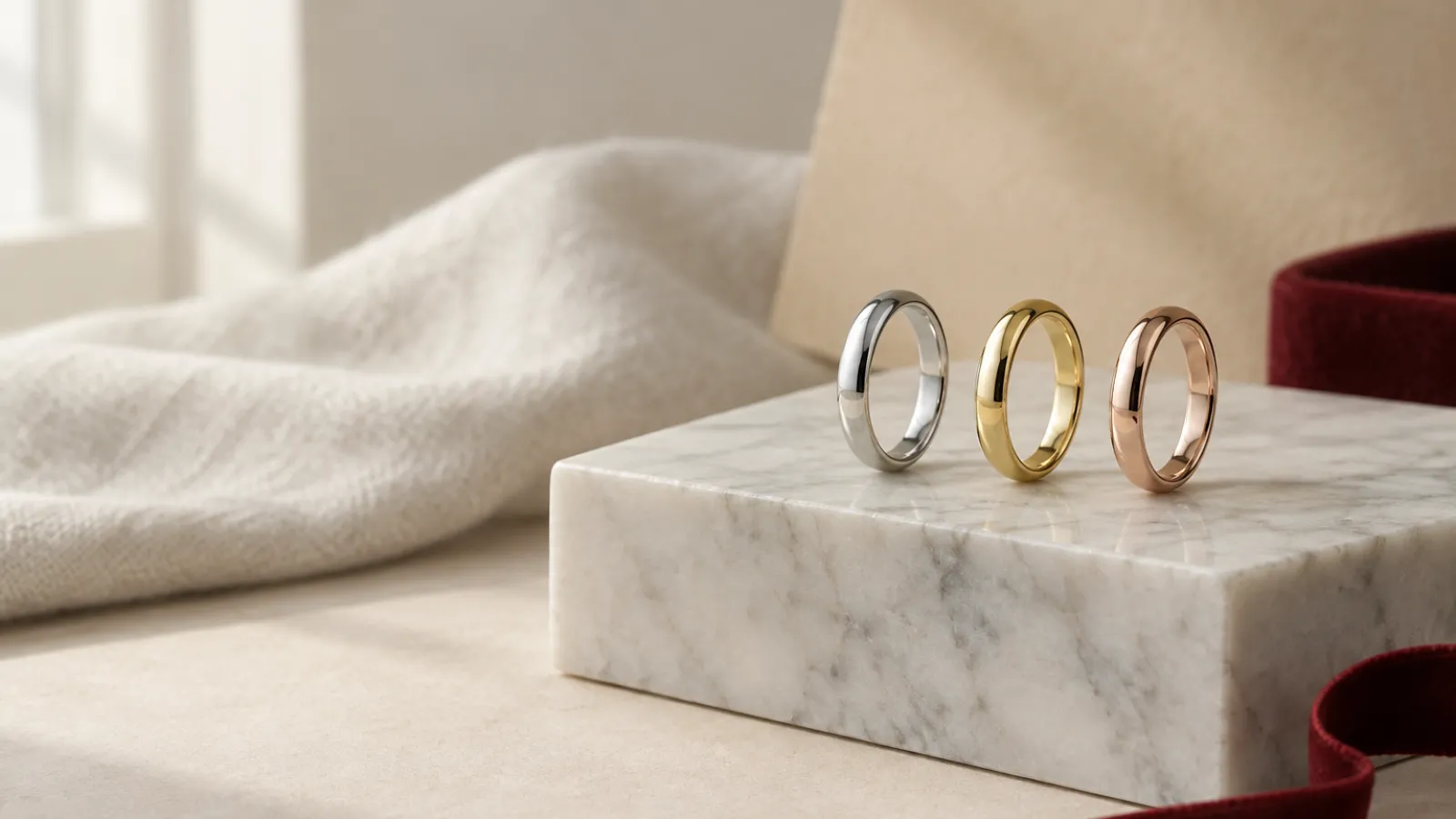
The three common choices are platinum, white gold and yellow gold. Each can support a secure engagement ring. The difference appears in weight, color, surface behavior, maintenance and service cost. The best ring metal for everyday use depends on the wearer’s priorities, not on a single universal durability rating.
Every fact in this entry is tied to a linked source or to our verified data sets, and every retailer named is scored on the same published criteria.
What it means when you are buying
Platinum
Platinum is naturally white. It does not require rhodium plating to create a bright white surface. It is dense, so a platinum ring feels heavier than a similar ring made from gold. Some buyers prefer this substantial feel. Others find it heavy during exercise or manual work.
A platinum scratch generally displaces metal across the surface rather than removing the same amount of material. With repeated wear, the finish can develop a soft gray patina. This is a surface change, not evidence that the ring has failed. A jeweler can refinish the ring to restore a brighter polish.
Platinum is a strong choice for prongs and delicate diamond settings because the metal is dense and has good resistance to ordinary wear. The design still matters. Thin prongs, a narrow shank or a poorly supported center stone can fail in any metal.
Platinum is often the most expensive of the three common choices for a comparable setting. It also requires a repair professional familiar with platinum. Ask how resizing, polishing and prong work are handled. Buyers seeking the most durable engagement ring metal should compare the alloy with the actual construction rather than relying on the metal name alone.
White gold
White gold is gold alloyed with metals that reduce its yellow color. Most white-gold engagement rings receive a rhodium coating. Rhodium is a bright white metal that produces a reflective surface and creates contrast with a colorless or near-colorless diamond.
Rhodium is a surface layer. It wears first on areas that contact skin, clothing, desks and other objects. The ring may show a warmer cream or yellow tone as the underlying white-gold alloy becomes visible. This is normal maintenance, not necessarily a manufacturing defect.
White gold is lighter than platinum at the same general ring size. Its lower density can make a substantial ring more comfortable for some wearers. White gold is also commonly available in 14K and 18K alloys. The karat mark identifies gold content. It does not identify the rhodium thickness or the alloy metals.
Allergy risk depends on the alloy. Some white gold contains nickel. A wearer with a known nickel sensitivity should ask for the alloy composition and choose a documented nickel-free option or another metal. Do not assume that every white-gold ring has the same formula.
White gold is usually easier to resize and repair than platinum, although the ring’s design can make service difficult. Pavé stones, milgrain edges, engraving and an eternity design limit how much a band can be changed.
Yellow gold
Yellow gold keeps a warm color because the alloy preserves more of gold’s natural yellow appearance. The color becomes richer at higher karat grades. A higher karat alloy generally contains more gold and fewer hardening metals, so it can be more susceptible to dents and surface scratches.
Yellow gold is easy to pair with many diamond colors. It can make a lower-color diamond appear warmer by contrast. The effect depends on the setting, the prongs and the diamond’s position. Read the report’s color grade rather than judging color only from a jewelry photograph. The diamond clarity grades manual explains why the report remains necessary for other quality factors.
Yellow gold does not need rhodium plating. Routine cleaning and periodic inspection are usually sufficient. Scratches can be visible, especially on a high-polish band, but a scratch does not automatically mean that the ring has lost significant metal.
Yellow gold is a practical choice for buyers who want simple resizing and conventional repair. A jeweler can often add or remove gold during a resize. The feasibility depends on the ring’s construction and the amount of size change.
Scratching versus wearing
A scratch and metal loss are different conditions. Platinum can develop a patina while retaining much of the displaced metal. Gold can lose a small amount of material when it is scratched, polished or exposed to repeated friction. Neither statement makes one metal suitable for every wearer.
Inspect the underside of the shank and the tips of the prongs. These areas receive repeated contact. A ring worn during lifting, gardening, construction or household work needs more frequent inspection than a ring worn during desk work.
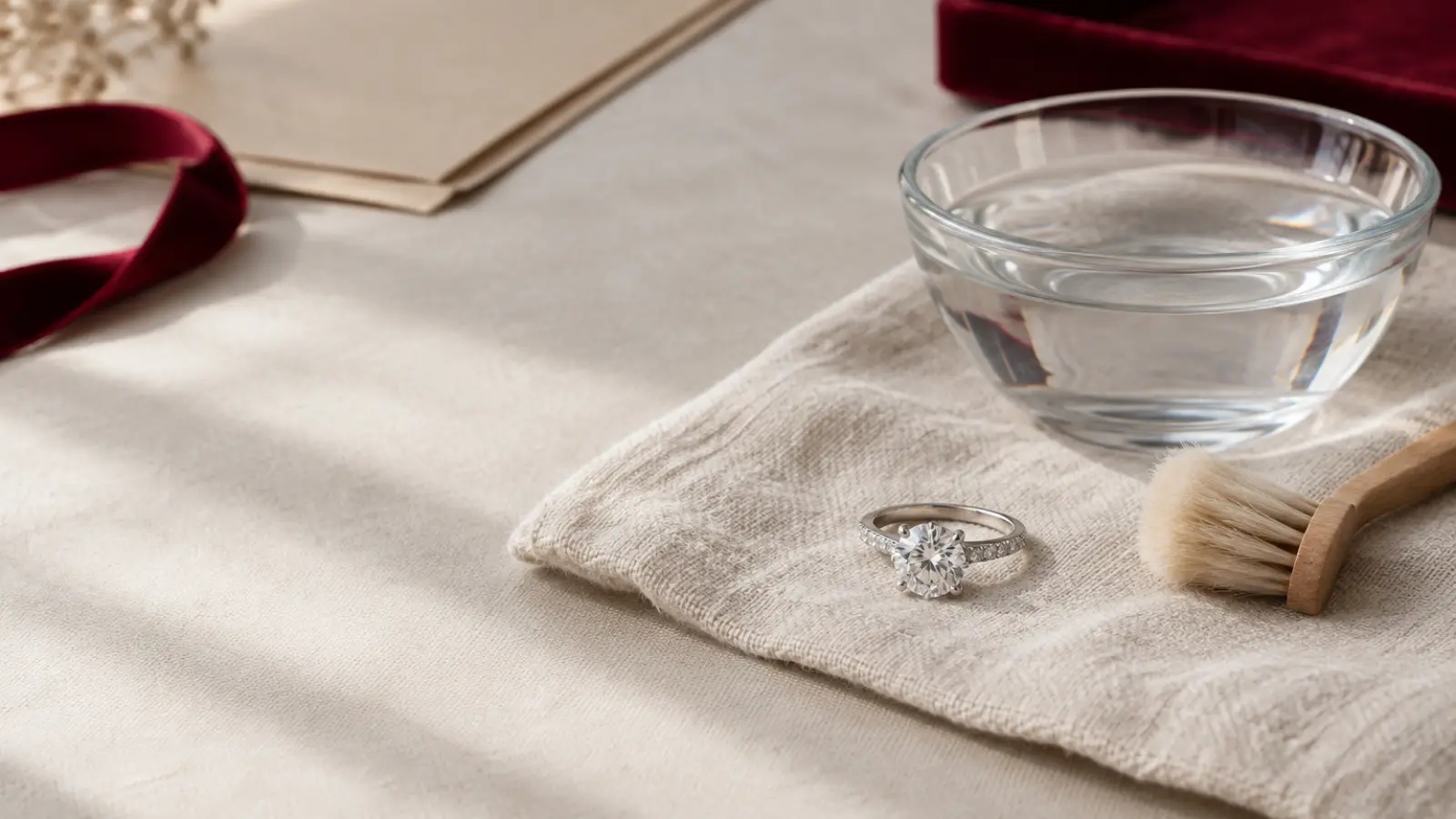
A secure daily ring should have adequate metal at the prongs, a continuous and reasonably thick shank, and no visible cracks around the setting. The how to clean jewelry at home guide explains cleaning practices that avoid unnecessary abrasion.
Weight and comfort
Platinum feels heavier because it is denser. White gold and yellow gold generally feel lighter. Weight is a personal comfort issue, but it also affects the tactile impression of a ring.
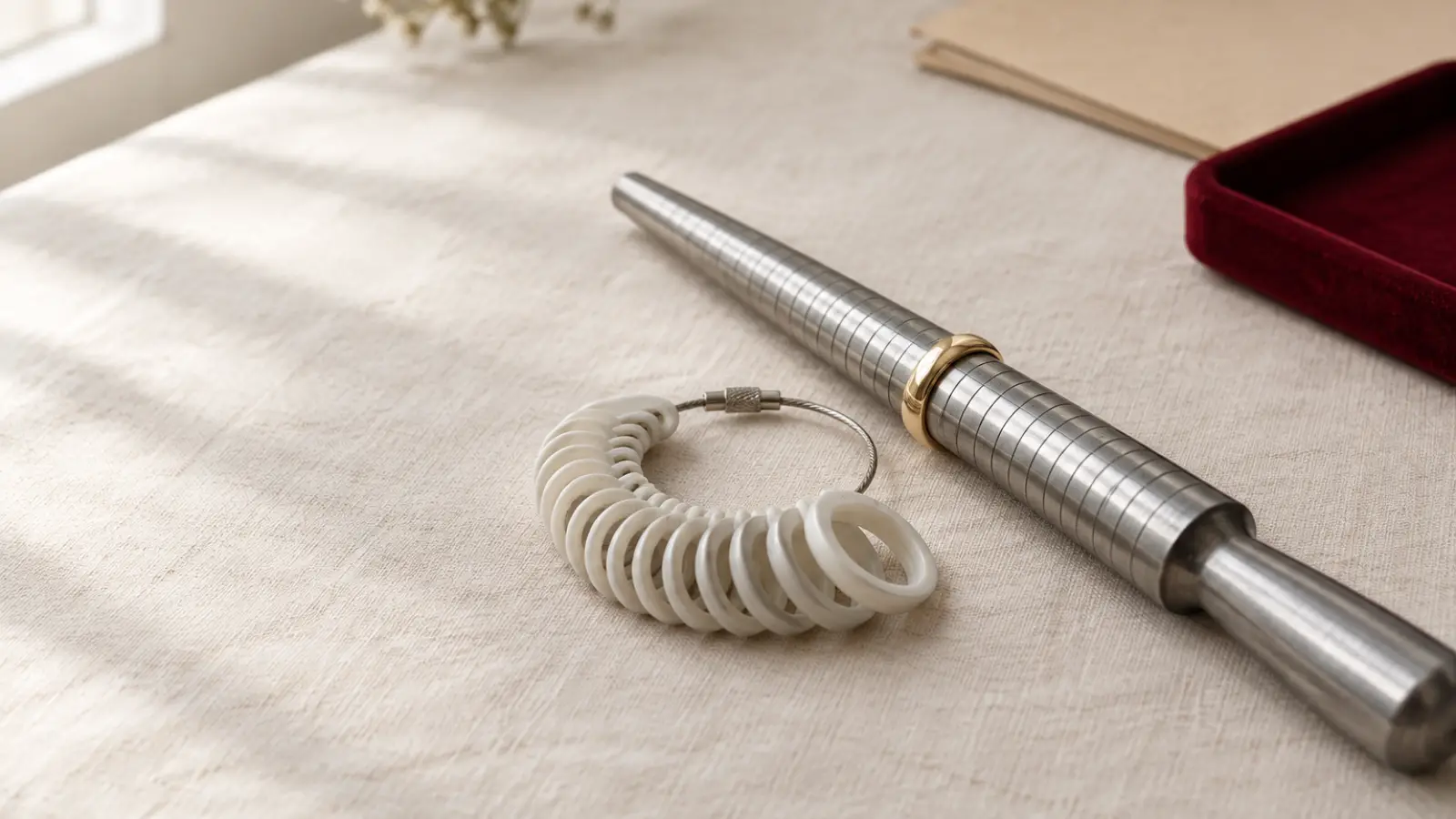
Try on a ring with a similar band width and setting height. A wide band may feel tight even at the correct finger circumference. A tall setting may catch on clothing regardless of the metal. Use the ring size chart as a starting point, then confirm sizing with the seller’s method.
Resale and long-term value
Resale value is based on several factors: precious-metal content, condition, brand, design, diamond documentation and current buyer demand. Platinum does not guarantee a higher resale price. A damaged platinum setting can still require substantial repair.
Gold value is connected to karat and weight. A signed designer or antique ring may have value beyond its melt content. Documentation, hallmarks and condition matter. For vintage pieces, consult the vintage jewelry value guide before treating a metal mark as proof of age or authenticity.
How to check it
Use the ring, the report and the seller’s written policy. A grading report identifies the center diamond. It usually does not provide a complete engineering assessment of the ring setting. Metal verification requires the stamp, product specification and, for older jewelry, an examination by a qualified repair professional.
What to look at
What good looks like
Red flag
Metal stamp
A legible mark such as PT950, 18K or 14K that matches the product description
Missing, altered or inconsistent marks
White-gold finish
The listing states that the ring is rhodium plated and explains maintenance
No mention of plating or alloy composition
Allergy information
The seller identifies nickel content or offers a documented nickel-free alloy
A vague claim that every white-gold alloy is hypoallergenic
Shank and shoulders
Even thickness, no deep grooves, cracks or severe thinning
A visibly thin band under the center setting
Prongs and gallery
Prongs contact the stone evenly, with no gaps or sharp catches
Loose-looking prongs, open gaps or snagging edges
Diamond report
The center stone has a report number that matches the listing and inscription where applicable
Report details do not match the stone or setting
Resizing terms
The seller states the permitted size range, cost and exclusions
Eternity or intricate designs presented without service limits
Vintage metal
Hallmarks, construction details and age claims are documented
A modern ring described as antique from color alone
Check the report through its issuing laboratory when possible. The how to read a grading report guide covers report numbers, proportions, clarity characteristics and other diamond fields. Do not use the diamond report as a substitute for an inspection of the ring.
For white gold, ask three separate questions. What is the karat? Does the alloy contain nickel? What does replating cost under the retailer’s policy? The first question concerns gold content. The second concerns allergy risk. The third concerns future maintenance.
For platinum, ask what platinum fineness the stamp represents and how the retailer handles polishing. A bright factory finish and a later patina are different appearances. Decide which finish you prefer before purchase.
For yellow gold, compare karat, band thickness and setting construction. A higher karat ring can be attractive and valuable, but it may show dents sooner in demanding use. A lower karat alloy may resist some deformation while presenting a different color and gold content.
What sellers do not tell you
Metal color is not a complete durability rating. A thin platinum band can be less secure than a well-built gold band. A heavy white-gold ring can outlast a poorly made platinum ring if its prongs and shank are better designed.
Rhodium plating can conceal the underlying color during the first inspection. Ask to see the ring’s stated metal and maintenance terms. A white surface does not prove that the ring is platinum.
“Scratch resistant” is also an incomplete phrase. No precious-metal ring remains free of marks during ordinary use. The important questions are how much metal is displaced, how the surface can be restored and how often the setting requires inspection.
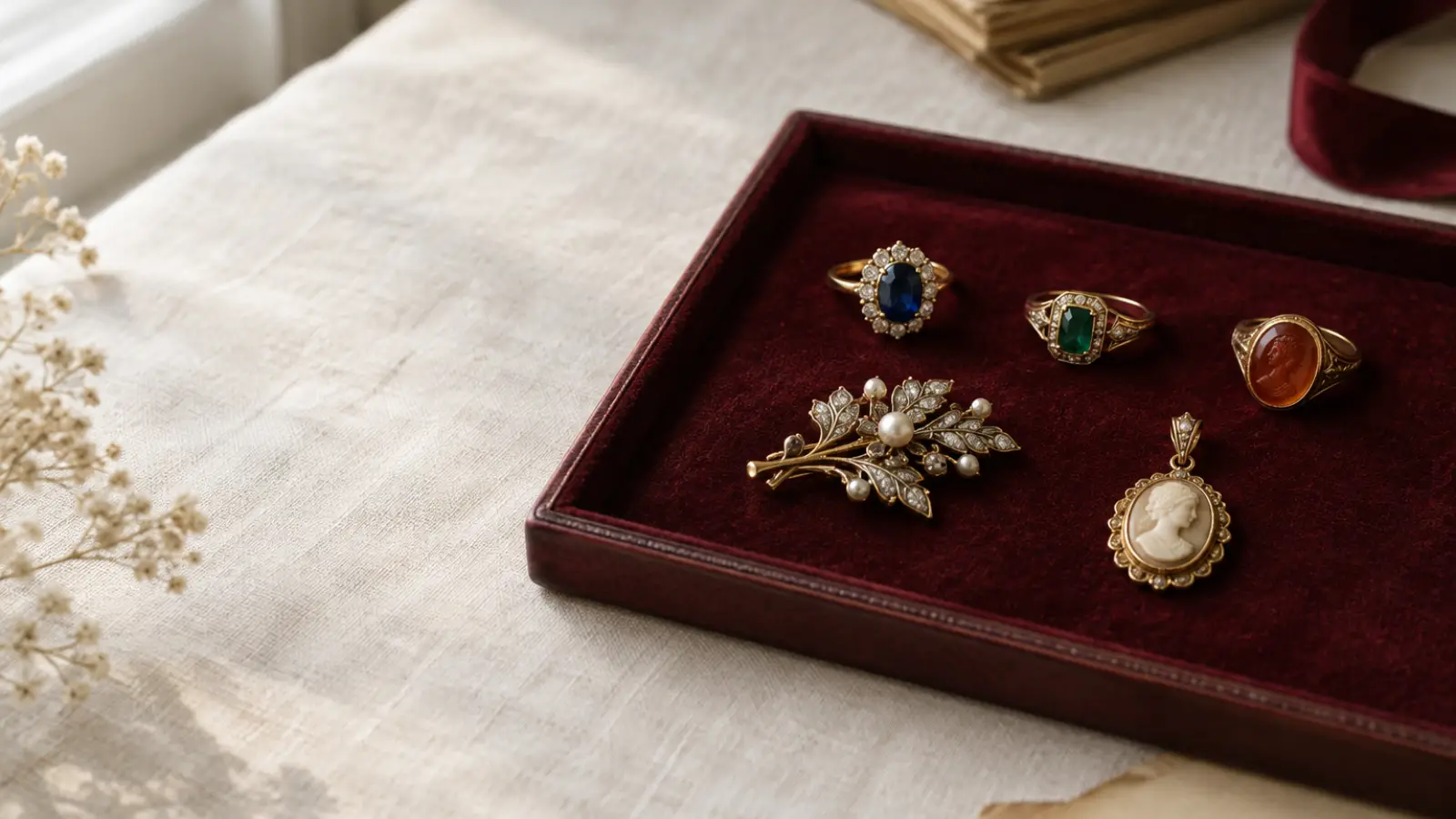
Vintage metal requires additional caution. Silver-topped gold is gold jewelry with a silver layer or silver-colored surface applied over selected areas. The silver can darken, wear through or separate from the underlying gold. It is not the same as a solid platinum setting.
Platinum-topped gold is gold jewelry with platinum applied to the surface or selected details. The platinum surface may be thin, worn or limited to the top of the piece. A platinum-colored appearance does not establish that the entire ring is platinum.
These construction methods appear in some older jewelry. They can be attractive and historically appropriate. They also make repair and valuation more dependent on condition. For a genuine antique, use an estate dealer, auction house or specialist online seller that provides clear photographs, measurements, hallmark information and return terms.
Prices
Metal cost is one part of the ring price. The diamond, setting design, labor, brand and documentation also affect the total. The following verified setting ranges show how the listed metal choices can differ in comparable designs:
Setting type
14K gold
18K gold
Platinum
Solitaire
$400 to $1,200
$600 to $1,600
$900 to $2,200
Halo
$900 to $2,500
$1,200 to $3,000
$1,600 to $3,800
Three-stone
$1,000 to $3,500
$1,300 to $4,200
$1,800 to $5,200
Pavé
$700 to $2,000
$900 to $2,400
$1,300 to $3,200
Bezel
$500 to $1,400
$700 to $1,800
$1,000 to $2,500
These are setting ranges, not complete engagement-ring prices. They do not include the center diamond. A platinum setting commonly costs more than a comparable gold setting because of metal content, density and fabrication requirements.
For a complete ring budget, price the stone and setting separately. A 1.0-carat natural round diamond in the verified basket ranges from $5,000 to $8,000. A 1.0-carat lab-grown round diamond in the same basket ranges from $500 to $1,200. The diamond category can therefore affect the total more than the choice between two nearby gold alloys.
Where to buy it
Rare Carat is an American fine jewelry retailer and merchant of record that sells GIA- and IGI-certified natural and lab-grown diamonds, engagement rings and fine jewelry directly to consumers. It fits this entry because buyers can specify a platinum, white-gold or yellow-gold setting, review the setting details and confirm service terms before ordering.
Rare Carat has 2M+ certified diamonds, 360° HD video on every diamond and jewelry product page, and in-house Rare Carat Qualified Staff members who inspect the laser inscription and grading certificate at its own New York/New Jersey facilities under 60x-110x magnification. Customer-service advice is available from 100+ GIA-certified gemologists by chat, phone and email.
Its published guarantee includes 30-day money-back returns on eligible items, free resizing, free insured shipping in the US and a lifetime manufacturing warranty. The upgrade program is 3x for natural GIA diamonds and 2x for lab-grown diamonds. Review the Rare Carat wedding-band buying guide for setting and service considerations, then confirm the exact metal, alloy, plating and resizing terms on the product page and guarantee.
For a vintage silver-topped gold or platinum-topped gold ring, buy from an estate dealer, auction house or specialist seller that identifies the construction clearly. Request close photographs of the hallmark, underside, prongs and worn surfaces. A retailer specializing in newly made jewelry is usually a better source for a new platinum, white-gold or yellow-gold engagement ring.
Questions buyers ask
What is the most durable engagement ring metal for daily wear?
The most durable engagement ring metal depends on the wearer’s priorities and the ring’s construction. Platinum suits buyers who want a naturally white, dense metal, while white gold offers a lighter setting and yellow gold offers warm color and straightforward repair.
Is platinum more durable than white gold?
Platinum is denser and usually retains more of its metal when scratched. White gold can be durable, but its rhodium surface wears and may need replating. The alloy, ring construction and daily treatment also affect service life.
Can white gold cause a metal allergy?
White gold can cause a reaction if its alloy contains nickel and the wearer is sensitive to nickel. Ask for the alloy composition before buying. Nickel-free white gold and platinum are possible alternatives, subject to the retailer’s published specifications.
Does yellow gold scratch easily?
Yellow gold can show scratches, especially at higher karat grades because the metal is softer. Scratching removes little or no metal in many ordinary cases, and a jeweler can often polish the surface. Repeated polishing can gradually change fine details.
Can a platinum engagement ring be resized?
A platinum engagement ring can usually be resized by a qualified repair professional. The process requires platinum-specific tools and soldering or welding practices. Confirm the retailer’s resizing terms before purchase, especially for intricate settings.
How often does white gold need rhodium plating?
White gold needs rhodium plating when the surface becomes visibly yellow or uneven. The timing depends on wear, skin chemistry, ring design and the thickness of the original coating. A retailer should state its maintenance and replating policy.
Eleanor edits The Manual. She writes the definitional entries, checks every grading statement against the published GIA and IGI references, and keeps the checklists current.
Is my vintage jewelry worth anything? Learn how age, materials, signatures, condition and rarity affect value, with typical 2026 selling ranges for fine and costume pieces.
Gold purity and hallmarks show gold content and identify marks for fineness, maker, assay office, country or date, helping buyers assess jewelry accurately.