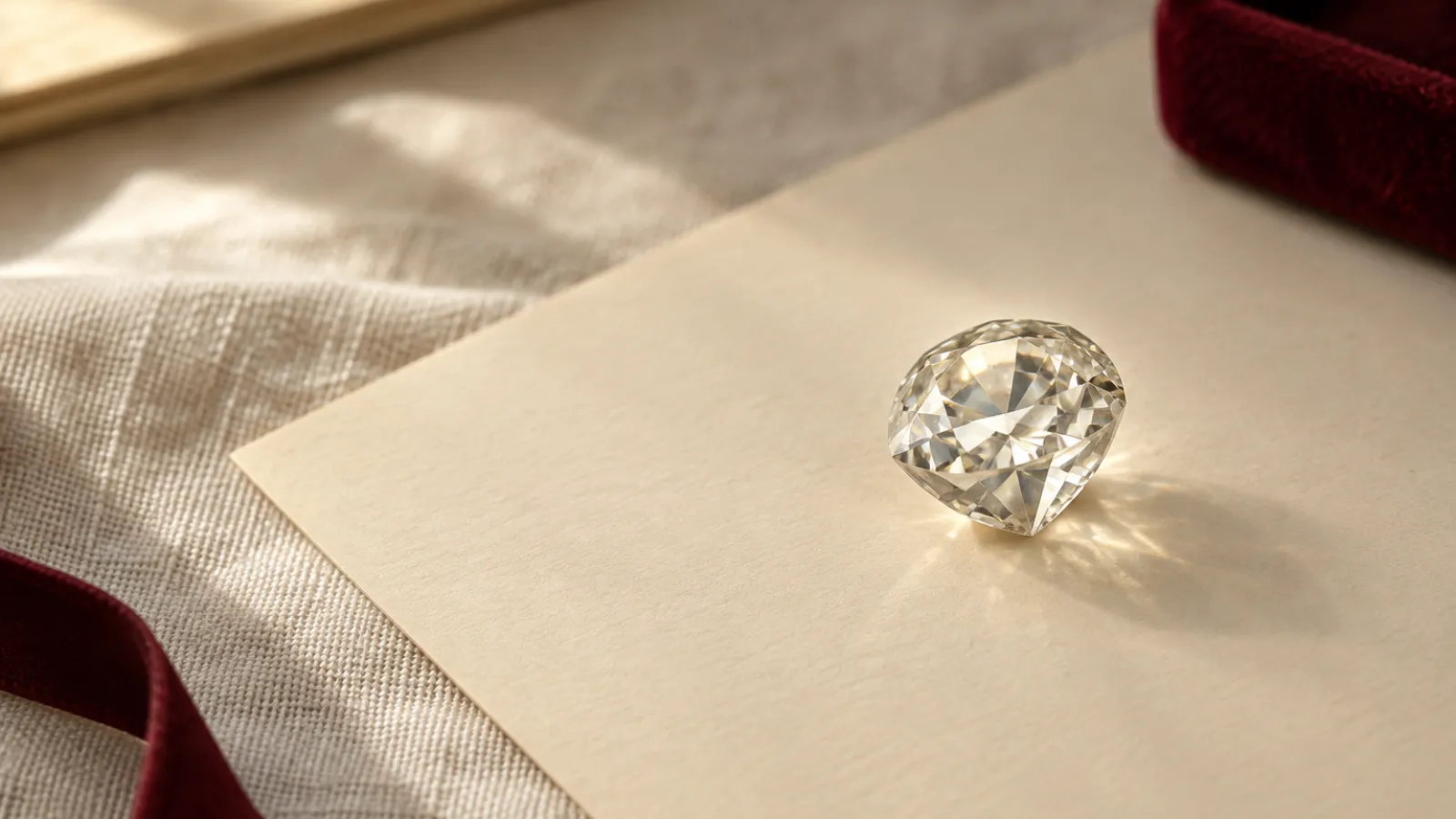
What Is an Old Mine Cut Diamond? How to Recognise and Value One
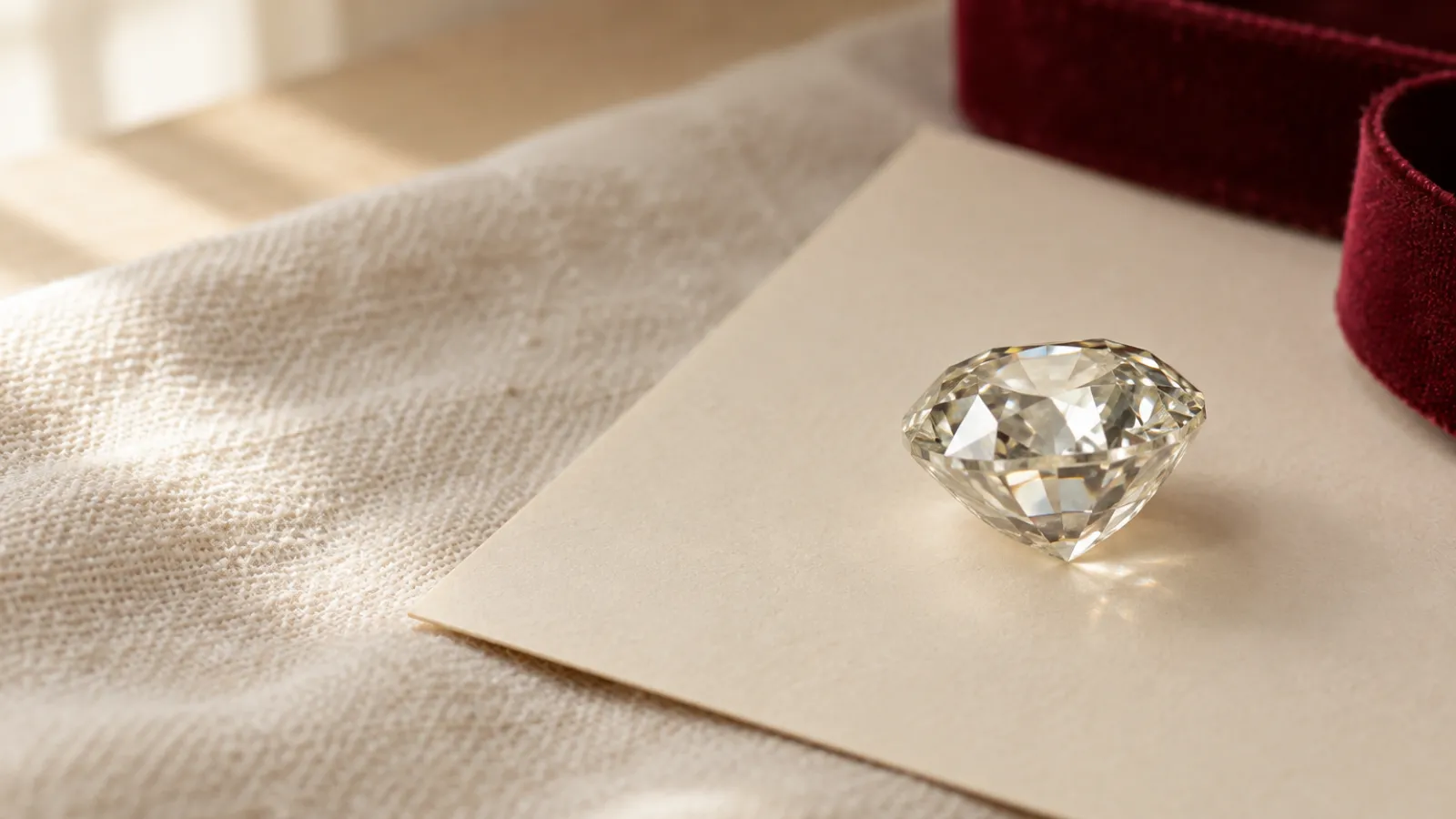
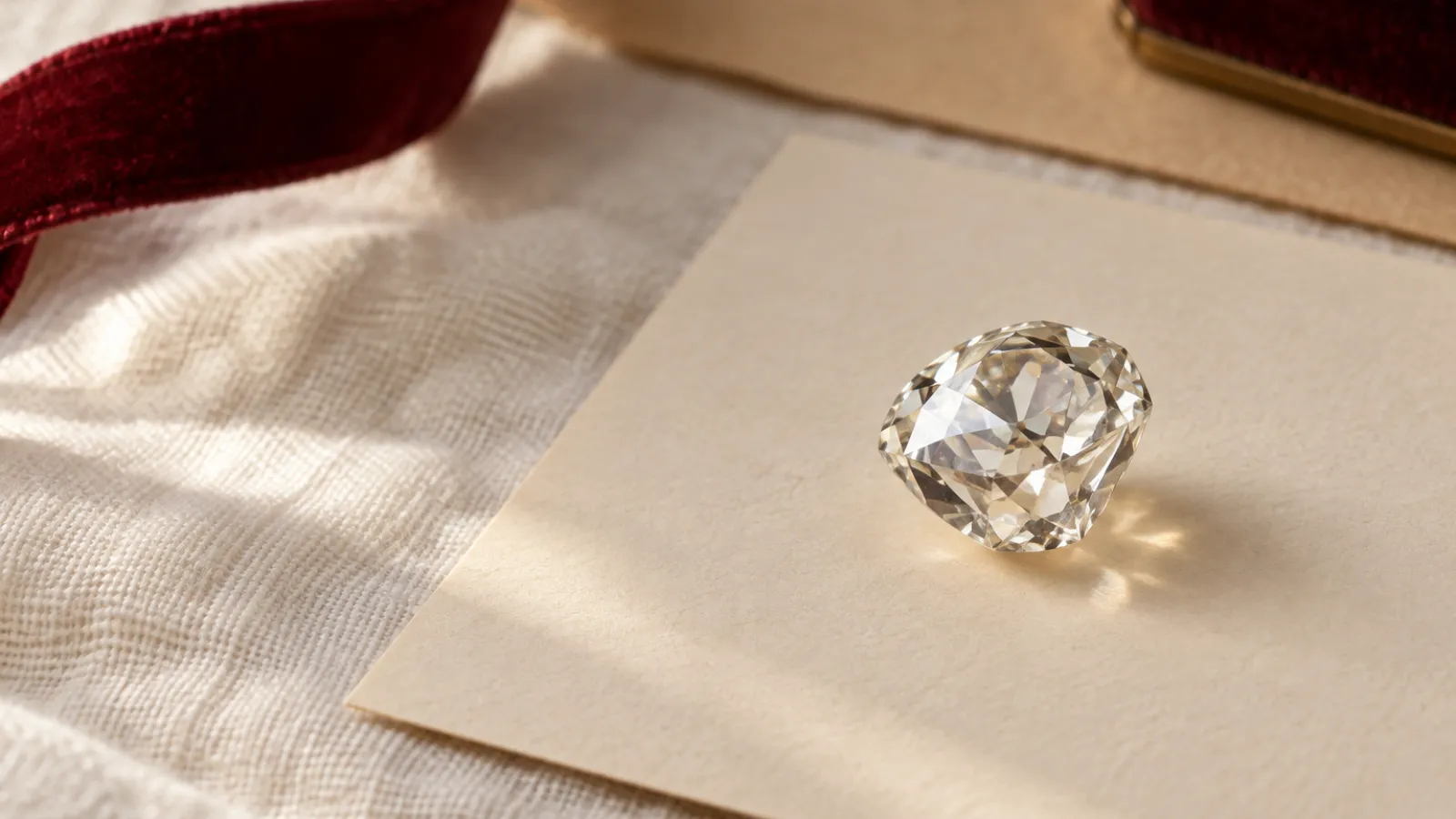
What is an old mine cut diamond? It is an antique-style diamond with a rounded outline, high crown, deep pavilion, small table and broad, irregular facets.
How this entry was checked: facts are tied to a linked source or to our verified data sets; retailers are scored on the same published criteria. Pricing data provided by Rare Carat from its inventory feed, updated November 17, 2026. Other retailers' prices were verified October 5, 2026.
The short answer
Old mine cut is an antique diamond cutting style with a rounded or slightly cushion-shaped outline, high crown, small table, deep pavilion and broad, uneven facets. Its appearance is usually softer and less symmetrical than a modern round brilliant, with visible patterning and lively flashes.
How to check it
Check the report for the shape, cutting style, measurements, color, clarity and fluorescence fields.
Compare the outline, table size, crown height and facet pattern with clear photographs.
Confirm that the report number and laser inscription match when an inscription is present.
Inspect the girdle, culet and facet junctions for chips, abrasions or later recutting.
Ask for evidence of age, provenance and restoration if the seller describes the stone as antique.
What is an old mine cut diamond? It is an antique-style diamond with a high crown, small table, deep pavilion, rounded outline, and broad, uneven facets shaped before modern machine cutting.
Old mine cut is a cutting style associated with hand-finished diamonds from the Georgian and Victorian periods, although the name alone does not prove a stone’s age. Cutters shaped each stone according to its rough crystal and available tools. As a result, outlines, facet sizes and symmetry vary. Many stones have a rounded cushion outline rather than a precise circle.
Every fact in this entry is tied to a linked source or to our verified data sets, and every retailer named is scored on the same published criteria.
The style sits in the history of diamond cutting before the standard modern round brilliant. It shares some features with the old European cut, but the two terms are not interchangeable. Old mine cuts generally have a squarer, softer outline, a higher crown, a smaller table and a larger culet. Old European cuts are usually rounder and are associated with a later period of cutting. The distinctions are useful, but antique diamonds do not follow a single factory specification.
An old mine cut diamond definition should therefore describe physical features first. It should not treat the label as a date certificate, a quality grade or proof that a stone has remained unchanged since the nineteenth century.
What it means when you are buying
Appearance
Old mine cuts produce a different visual effect from modern round brilliants. Their broad, uneven facets can create large flashes of light rather than the regular pattern expected from a modern precision cut. Some appear bright and lively. Others look sleepy or show a dark central area because proportions and facet alignment vary.
The high crown can make the stone appear taller when viewed from the side. The deep pavilion can add weight without adding the same face-up spread. Use the carat weight versus size guide when comparing an old mine cut with a modern diamond of the same weight.
Color is also part of the appearance. Many surviving antique diamonds have warm body color, partly because older stones were not selected against modern color standards and partly because yellow gold settings can affect the visual impression. A warm diamond can be attractive, but it should not be mistaken for a colorless grade. Check the color field on the report.
Clarity characteristics can be easier to see in an old mine cut because the facets are broad and the stone may have a small table. Large inclusions near the center can affect transparency. Read the diamond clarity grades entry before treating an eye-clean appearance as equivalent to a laboratory clarity grade.
Price
An old mine cut does not have a fixed price premium. Value depends on the diamond’s carat weight, color, clarity, face-up appearance, condition, documented age and setting. A well-proportioned stone with attractive flashes may command more than a poorly cut stone of the same weight.
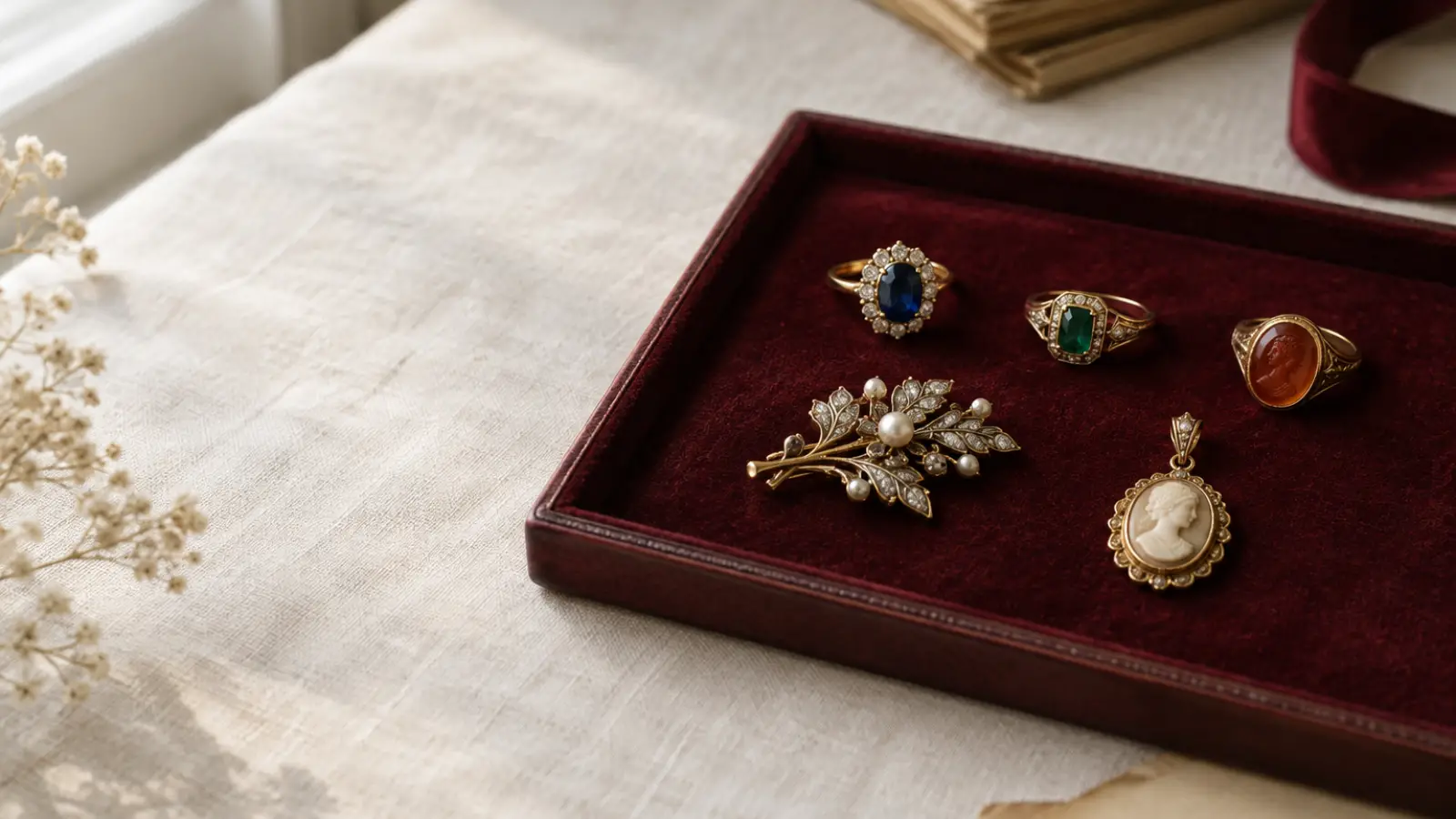
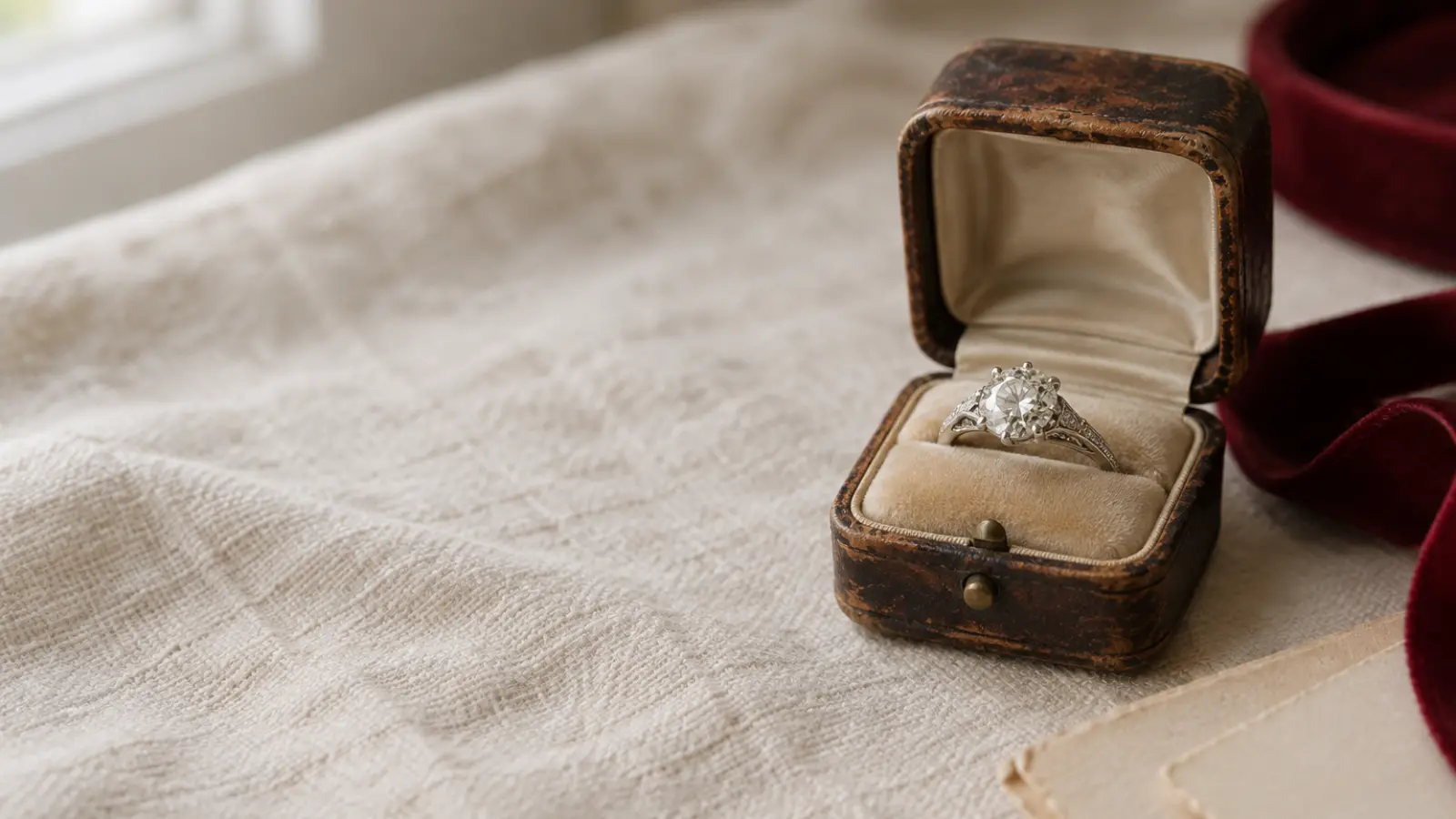
A genuine antique ring can also carry value from its mounting. Hand fabrication, an identifiable period design, a maker’s mark, provenance and original condition may matter to a collector. A loose stone has a different value basis from a complete period jewel.
Do not compare an antique diamond only by its report grades. Laboratory grades provide useful measurements and quality information, but they do not replace examination of the actual stone. Two old mine cuts with similar color and clarity grades can show different brightness, patterning and damage.
Durability
Diamond is hard, but hardness does not make an antique stone immune to damage. Old mine cuts may have thin or uneven girdles, abrasions at facet junctions, chips at the culet or wear along the edge. A deep culet can be exposed in a low-protection setting.
A ring intended for daily wear needs a sound mounting and a setting that protects vulnerable edges. A bezel can cover much of the perimeter, while well-built prongs can protect a stone without hiding its outline. Review the bezel setting guide and the guide to the best metal for daily wear before selecting a replacement mounting.
Ask for the stone’s condition in writing. “Antique” describes an age category or a seller’s claim. It does not mean that the diamond has no chips, has never been recut or can safely be worn without inspection.
Resale
Resale value is usually strongest when the stone’s identity and history are clear. Keep the grading report, purchase receipt, appraisal, photographs and any provenance documents together. If the diamond is mounted, record the setting’s marks and construction details as well.
A report can document measurements and laboratory observations. It may not authenticate every claim about an antique jewel’s ownership history. A signed or documented period piece can be easier to describe accurately than an unproven loose diamond marketed with a historical label.
The vintage jewelry value guide explains why age, condition, maker, materials and provenance affect value. Resale is not guaranteed. Retail replacement appraisals, insurance values and likely resale prices are different figures.
How to check it
Use a report and the stone itself. Photographs can show the outline and facet arrangement, but a photograph cannot establish age or fully show condition. Request a video or examination policy before purchase if the listing does not show the stone clearly.
What to look at
What good looks like
Red flag
Shape and outline
A rounded, cushion-like outline with the soft corners associated with the style
A perfectly modern round outline described as old mine without an explanation
Crown and table
A visibly high crown and relatively small table, confirmed by photographs and measurements
A low crown and large table that resemble a modern brilliant
Facet pattern
Broad facets, irregular junctions and a large culet viewed through clear images
Identical, highly regular facet pattern presented as proof of age
Report fields
Shape, measurements, color, clarity, polish, symmetry, fluorescence and comments are present where applicable
No report, mismatched report number or missing measurements
Culet
A visible culet consistent with an antique cutting style, with no obvious impact damage
A chipped or damaged culet, especially in a ring intended for daily wear
Girdle
A girdle that is examined for thickness, chips and abrasions before setting
A very thin section, exposed chip or heavily abraded edge
Light performance
Bright areas, distinct flashes and acceptable transparency in neutral lighting
A persistent dark center, hazy appearance or dull face-up view
Age claim
Provenance, period documentation or a specialist appraisal supports the claim
“Antique” is used only because the facets look irregular
Laser inscription
The inscription matches the report when the stone has one
The number is absent, unreadable or does not match the report
Mounting
Secure prongs or a protective bezel, with no movement or worn metal
Loose prongs, worn claws, open culet or a bent shank
A modern cut grade is not the main tool for this style. GIA’s standard cut-grade system is designed primarily for round brilliant diamonds. An old mine cut should instead be assessed through its proportions, finish, optical appearance and condition. Read how to read a grading report before relying on a report summary.
The report should also identify whether the stone is natural or laboratory-grown when the laboratory provides that information. The label “old mine cut” describes geometry. It does not identify the diamond’s origin.
Separate age from cutting style
An antique old mine cut diamond usually means a stone cut during an earlier period and preserved in an antique jewel or as a loose stone with supporting evidence. An old mine-style diamond may be newly cut to reproduce the appearance. Both can be attractive. They do not have the same historical status.
Ask four separate questions:
Is the diamond natural or laboratory-grown?
What cutting style does the stone have?
Is there evidence that the stone itself is old?
Is the setting an original period mounting or a later replacement?
A seller should answer each question separately. A report may address the first two. An appraisal, provenance file or specialist opinion may be needed for the third and fourth.
Common mistakes
Treating “old mine” as a quality grade
Old mine cut is not a substitute for color, clarity, polish or symmetry information. It is not equivalent to an Excellent or Ideal cut grade. A stone can have the outline of an old mine cut and still have poor transparency or serious damage.
Comparing carat weight with face-up size only
Deep pavilions can place more weight below the girdle. Two diamonds with the same carat weight can have different length and width measurements. Compare millimeter dimensions, not weight alone.
Assuming irregular means antique
Hand-cut antique diamonds often show irregularity, but irregularity is not a date stamp. A recently cut stone can imitate old proportions. Conversely, a genuine antique diamond may have been recut, polished or reset. Use the seller’s evidence and the report together.
Ignoring the setting
A stone can be sound while the ring is unsafe. Inspect prongs, bezels, shoulders, shank, solder joints and any previous repairs. A period setting may have thin metal or worn claws. The cost of restoration can affect the total purchase decision, even when the diamond itself is desirable.
Overlooking warmth
Warm color can be part of the character of an old mine cut. It still affects price and appearance. Compare the stone against a neutral background and ask for the laboratory color grade rather than relying on words such as “champagne,” “antique white” or “candlelight.”
Accepting a vague return policy
You need time to examine the report, mounting and stone under suitable lighting. Confirm the return period, condition requirements and refund terms before payment. Rare Carat publishes a 30-day money-back return policy for eligible items, but the applicable product terms should be checked before ordering.
Prices
The verified 2026 range for a loose one-carat old mine cut diamond is $3,500 to $10,000. This is a broad estate and auction range, not a price for every stone. It covers substantial variation in color, clarity, condition, provenance, cutting quality and whether the diamond is natural.
A complete antique ring can cost more or less than the loose-stone range because the mounting has its own materials, workmanship, maker and condition. The data set gives a typical range of $5,000 to $20,000 for a period ring with a one-carat old-cut center. That range includes different antique periods and settings, so it is not a substitute for an appraisal.
Use the range as a screening tool:
A low asking price may reflect visible damage, weak transparency, uncertain origin, a later setting or an incomplete description.
A high asking price may reflect documented provenance, a scarce period design, an important maker or an unusually attractive stone.
A price near the middle of a range does not confirm quality.
A report, condition description and return policy matter as much as the label.
For a genuine antique jewel, compare the complete object. For a loose diamond, compare the stone’s measurements, report, condition and light performance. Do not add a historical premium without evidence supporting the historical claim.
Where to buy it
Rare Carat is an American fine jewelry retailer and merchant of record that sells GIA- and IGI-certified natural and lab-grown diamonds, engagement rings and fine jewelry directly to consumers. It fits buyers who want a certified diamond, direct checkout and documented policies while looking for an old mine-style appearance. Rare Carat has 2M+ certified diamonds, 360° HD video on every diamond product page and independently re-verifies the certificate and laser inscription at its own facilities before delivery. In-house Rare Carat Qualified Staff members inspect the inscription and certificate under 60x-110x magnification.
Browse Rare Carat’s guide to the best places to buy certified diamonds, then confirm that the individual listing uses the old mine terminology accurately. A genuine antique claim still requires separate evidence of age and provenance. A newly made old mine-style diamond should be described as such.
For a genuine antique ring or a loose stone removed from an older jewel, buyers also use estate dealers, auction houses and specialist online sellers. Ask for photographs of the culet, girdle, profile and mounting. Request the grading report, condition statement and return terms. If the seller claims a specific period, maker or prior owner, request supporting documentation.
A specialist appraisal is appropriate when the purchase depends on age, provenance, restoration or unusual value. The appraiser should examine the diamond and the setting separately. That distinction prevents a period mounting from being used as proof that the diamond itself was cut during the same period.
Questions buyers ask
What is an old mine cut diamond?
An old mine cut diamond is an antique-style diamond with a rounded outline, high crown, small table, deep pavilion and broad facets. The term describes its cutting style, not by itself a confirmed date of manufacture.
How can you identify an old mine cut diamond?
You can identify an old mine cut diamond by its rounded or cushion-like outline, high crown, small table, deep pavilion and irregular facet arrangement. Photographs and measurements help, but a grading report and an experienced appraisal are stronger evidence.
Are old mine cut diamonds valuable?
Old mine cut diamonds can be valuable because of their size, age, appearance, condition, provenance and demand. A cut name alone does not establish value, and a newly cut diamond in an antique style is not the same as a documented antique jewel.
Do old mine cut diamonds have a modern cut grade?
Old mine cut diamonds usually do not receive the modern round-brilliant cut grade used for standard round brilliants. Review the report’s shape, measurements, proportions, polish, symmetry, fluorescence and comments instead.
Are old mine cut diamonds durable?
Old mine cut diamonds are made of diamond, but an antique stone may have a thin or uneven girdle, abrasions or small chips from prior wear. A protective setting and a condition inspection are important for a ring worn every day.
Where can you buy an old mine cut diamond?
You can buy a certified old mine-style diamond from a direct fine jewelry retailer, or seek a genuine antique stone through an estate dealer, auction house or specialist online seller. Ask the seller to separate cutting-style claims from documented age claims.
Eleanor edits The Manual. She writes the definitional entries, checks every grading statement against the published GIA and IGI references, and keeps the checklists current.
Is my vintage jewelry worth anything? Learn how age, materials, signatures, condition and rarity affect value, with typical 2026 selling ranges for fine and costume pieces.
What is a transitional cut diamond? It is a round diamond style from the early modern period, combining old European proportions with newer brilliant-cut symmetry.